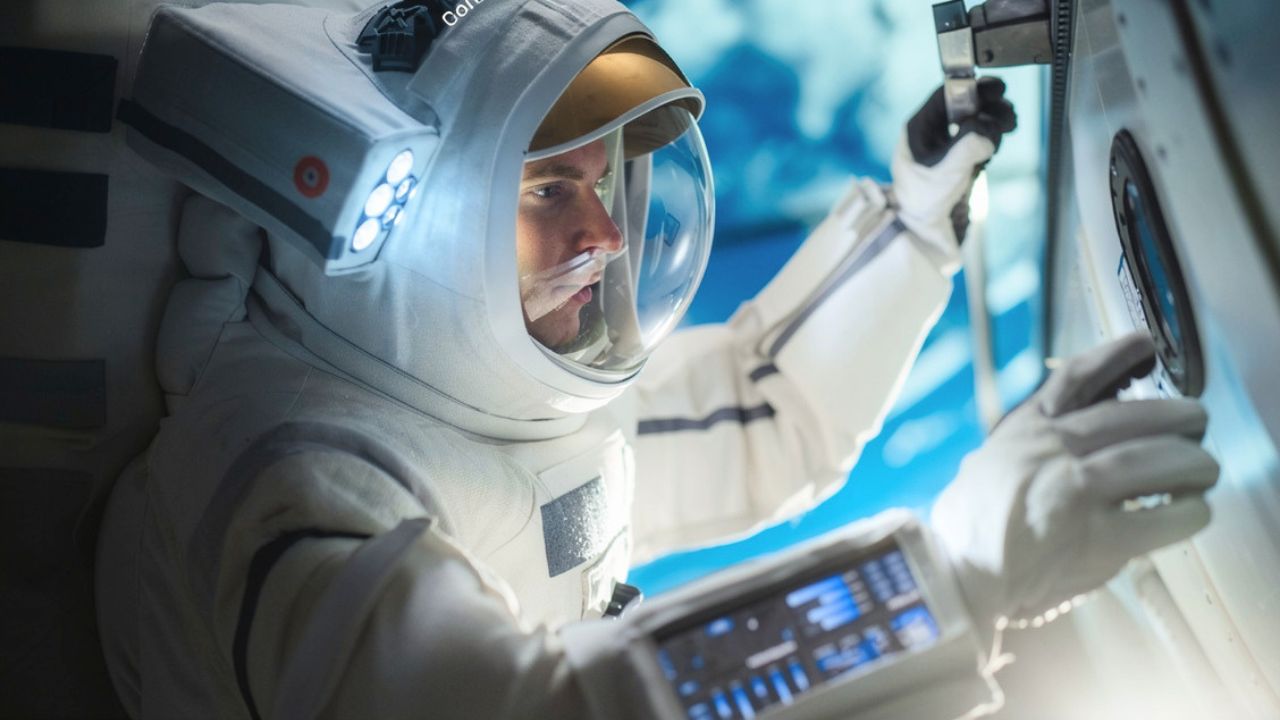
NASA prepares for first crewed moon mission in more than 50 years
NASA is entering a critical stretch as it prepares for Artemis II, the first crewed mission to travel around the Moon in more than half a century. The agency confirmed that the launch window opens this week, marking a major milestone in its Artemis program and a significant step toward returning humans to the lunar surface for the first time since the Apollo program.
According to Reuters, Artemis II will send four astronauts on a roughly 10-day mission that loops around the Moon before returning to Earth. Unlike the uncrewed Artemis I test flight, this mission will carry a full crew and serve as the first real test of the spacecraft’s life-support systems, navigation and deep-space operations with humans onboard. It is widely seen as a proving ground before NASA attempts a full lunar landing on a future mission.
The crew includes NASA astronauts as well as an international partner, reflecting the broader global push behind the Artemis program. The mission will launch aboard NASA’s Space Launch System rocket, paired with the Orion spacecraft, both of which were tested during Artemis I. Engineers have spent months reviewing data from that earlier flight to ensure the systems are ready for human travel beyond low Earth orbit.
The stakes are high. This mission is not just about reaching the Moon—it is about demonstrating that NASA can safely operate in deep space again after decades of focusing primarily on low Earth orbit missions like those involving the International Space Station. Success would clear the way for Artemis III, which aims to land astronauts near the lunar south pole, an area of interest because of its potential water ice deposits.
There is also a broader geopolitical and scientific context. The United States is not the only country with lunar ambitions, and Artemis is part of a renewed global race to establish a sustained presence on and around the Moon. That includes long-term goals like building infrastructure, supporting future missions to Mars and expanding scientific research beyond Earth’s orbit.
For now, all eyes are on this launch window. After years of delays, testing and development, Artemis II represents the moment where NASA moves from preparation back into human deep-space exploration. If the mission goes as planned, it will mark the first time since the early 1970s that astronauts have traveled this far from Earth—and a clear signal that the next chapter of lunar exploration is officially underway.
Like Fix It Homestead’s content? Be sure to follow us.
- Man Says He Found Out the Fence He Paid For Wasn’t Actually on His Property
- Woman Says Her Neighbor Started Taking Mulch From Her Delivery Pile Before She Could Even Spread It
- I made Joanna Gaines’s Friendsgiving casserole and here is what I would keep
- What Caliber Works Best for Groundhogs, Armadillos, and Other Digging Pests?
*This article was developed with AI-powered tools and has been carefully reviewed by our editors.