Nearly 3 million attic fan motors were recalled and most homeowners won’t know until they check
Millions of attic fan motors that quietly hum above your ceiling are now at the center of a sweeping safety recall, and the only way you will know if your home is affected is by looking. The recall targets nearly 3 million electric motors used in gable and roof mounted attic fans that can overheat and ignite, turning a device meant to cool your house into a fire risk. If you own a home with an older powered attic vent, you are being asked to climb into the rafters, check labels, and decide whether that fan should stay on or be shut down immediately.
What exactly was recalled and why it matters to you
The recall focuses on electric motors installed in gable and roof mounted attic fans that were distributed for years as a standard way to push hot air out of attics. According to federal safety officials, the affected products are described as Electric Motors for Gable and Roof Mounted Attic Fans Recalled Due to Fire Hazard Distributed by Air Vent, and they were sold across the country through building supply channels and online retailers. The motors sit at the heart of the fan assembly, so if yours is part of the recall, the entire unit becomes suspect even if the housing and blades look fine.
Regulators say the problem is not cosmetic or theoretical, it is a defect in the safety cutoff that is supposed to shut the motor down if it overheats. When that cutoff fails, the motor can short circuit and catch fire while in use, which is why the recall notice explicitly labels it a fire hazard. You are being asked to treat this as a serious electrical issue, not a minor annoyance, because the motors are typically running in a concealed space filled with wood framing and insulation where a small spark can escalate quickly.
How nearly 3 million attic fan motors ended up in American homes
The scale of the recall reflects how common powered attic ventilation has become in modern construction and remodeling. Over years of sales, The Consumer Product Safety Commission reported that nearly 3 million attic fans using the recalled motors were distributed nationwide, reaching single family homes, townhouses, and even some small commercial buildings. Many of those fans were installed by roofers or HVAC contractors as part of broader projects, which means you might not remember ever choosing the specific motor that is now under scrutiny.
Attic fans are often sold as generic “gable” or “roof mounted” units through big box stores and online listings, where the internal motor brand is not always obvious to a homeowner. A typical product listing might highlight airflow ratings and thermostat controls while barely mentioning the motor model. That is how a single defective component can quietly spread into millions of homes, leaving you with a hidden risk that only becomes visible once a recall forces you to look for it.
The defect inside the motor and how fires have already started
At the center of the recall is a faulty thermal safety cutoff that is supposed to protect the motor from overheating. Federal investigators say that in the recalled units, that cutoff can fail, allowing the motor to keep drawing power until internal components short circuit and ignite. A detailed Recall Details Description explains that the motors are used in both gable mounted and roof mounted configurations, so the same internal flaw can show up in different looking fan housings.
The danger is not hypothetical. Reporting on the recall notes that there have been 150 fire reports tied to these attic fan motors, a figure that underscores how often the defect has already translated into real damage. Each of those incidents represents a motor that overheated enough to ignite surrounding material, and because attic fires can spread before anyone notices, the risk to you is not just property loss but also the time it takes to detect and escape a burning home.
Where these fans were sold and why the recall is so hard to track
One reason so many homeowners are unaware of the recall is that the motors were distributed through multiple channels over several years. The official notice describes how the recalled Recalled Electric Motor Vent Patterns appear in different attic fan models, some sold online and others through regional building supply distributors. If your contractor bought a pallet of fans for multiple jobs, your address may never have been linked to a specific serial number in any retailer’s system.
State agencies are now amplifying the federal warning, with one advisory explicitly titled Electric Motors for Gable and Roof Mounted Attic Fans Recalled that urges residents to check their attics and contact Air Vent for a refund. Yet recall notices rarely reach second or third owners of a home, and if your fan was installed by a previous occupant, there is almost no chance you received a postcard or email about it. That is why the burden now falls on you to inspect the equipment yourself rather than waiting for a direct notification.
How to tell if your attic fan is part of the recall
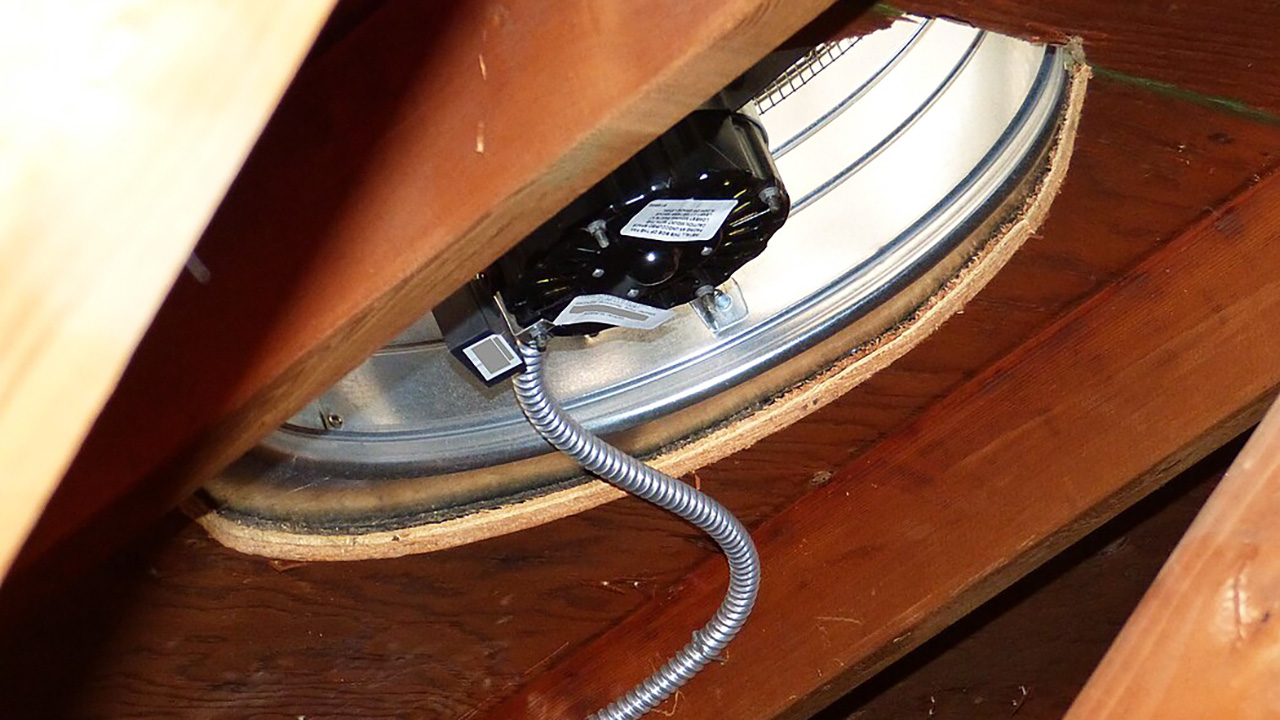
To figure out whether your attic fan is affected, you need to physically inspect the unit, which usually means entering the attic or climbing onto the roof. The recall guidance instructs you to look for specific patterns and labels on the motor housing that match the millions of fan motors recalled over fire risk, including model identifiers that confirm eligibility for a refund. If you are not comfortable navigating joists or working near roof edges, you should consider hiring a qualified electrician or roofer to perform the inspection safely.
Once you reach the fan, you will typically find the motor mounted behind a protective grille, with a label or stamping that lists the manufacturer, model, and electrical ratings. The recall materials describe distinctive markings on the motor end bells that can help you confirm whether your unit is one of the recalled designs. Take clear photos of the label and the entire assembly, then compare them to the recall diagrams or share them with the manufacturer so you are not relying on memory when you request a remedy.
What to do immediately if you suspect your fan is affected
If your attic fan appears to match the recalled models, the first step is to stop using it. That means switching off any dedicated attic fan control and, if possible, turning off the circuit breaker that powers the unit until you can confirm its status. Federal guidance on the recall alert notes that about 2.9 million electric motors are covered, and homeowners are being directed to contact Air Vent during specified business hours to verify eligibility and arrange for a refund or replacement.
While you wait for confirmation, you should treat the fan as a potential ignition source and avoid running it under any circumstances. A nationwide advisory on millions of fan motors recalled over fire risk emphasizes that the safety cutoff may fail while the fan is in normal use, not just under extreme conditions. If you rely on the fan to control attic temperatures, you may need to adjust thermostat settings elsewhere in the house or temporarily increase air conditioning use until a safe replacement is installed.
Why attic ventilation is still important, even with a major recall
Turning off a recalled fan does not change the physics of your attic, which can still trap heat and moisture that affect the rest of your home. Proper ventilation helps protect roof shingles, reduce strain on air conditioning systems, and limit condensation that can lead to mold. Manufacturers like Gibraltar Building Accessories promote a range of ventilation category products, including ridge vents, static roof vents, and gable vents, that work alongside or instead of powered fans to move air through the attic space.
If you decide to replace a recalled motor, you may want to use the opportunity to reassess how your attic is ventilated overall. A balanced system that combines intake vents at the eaves with exhaust vents at the ridge can often reduce or eliminate the need for a powered fan, especially in climates where natural convection is sufficient. By consulting a qualified contractor who understands both the recall and modern ventilation options, you can choose a solution that keeps your home safe from fire risk while still protecting your roof and insulation from excessive heat.
How the company and regulators are responding
The recall has put a spotlight on Air Vent, the company that distributed the motors, and on how quickly manufacturers respond when safety issues emerge. A regional report on how a Dallas based company is pulling nearly 3 million roof mounted attic fans off the market describes how the defect affects the fan’s motor and confirms that multiple models were included in the recall. The company is now working with federal regulators to process refunds and guide homeowners through the identification process, a task made more complex by the number of units already installed.
Consumer safety officials, including Gray News coverage of the recall, have framed the action as a necessary step to prevent further attic fires linked to the defective motors. At the same time, industry observers note that this is not the first time thermal protection issues have surfaced in fan motors, a point underscored in a Sep video that walks through another product recall in similar categories. For you, the key takeaway is that recalls are part of a broader safety system, and acting on them promptly is just as important as the engineering fixes that follow.
What this recall reveals about hidden risks in older homes
Beyond the immediate fire hazard, the attic fan recall is a reminder of how many critical systems in your home operate out of sight and out of mind. Electrical components in attics, crawl spaces, and behind walls can quietly age, accumulate dust, and experience thermal stress long before anyone thinks to inspect them. The fact that The Brief on the recall had to spell out where to find markings on the motor end bells shows how little attention most homeowners pay to the details of these devices until something goes wrong.
As you respond to this specific recall, it is worth using the moment to look more broadly at your home’s hidden infrastructure. Check whether other appliances have outstanding safety notices, verify that smoke alarms and heat detectors cover attic spaces, and consider scheduling a professional electrical inspection if your home is older or has seen multiple renovations. The attic fan motors are a high profile example, but they are not the only components that can quietly turn from helpful to hazardous without a clear warning label in your daily line of sight.
How to protect yourself going forward
Once you have confirmed whether your attic fan is affected and taken any necessary steps to disable or replace it, the next challenge is staying ahead of future recalls. You can start by registering new products with manufacturers so they have a direct way to reach you if a defect is discovered later. Coverage of Millions of electric motors recalled over fire hazard concerns notes that the affected attic fan motors originally retailed for between 74 dollars and 92 dollars, a modest price that may have encouraged quick purchases without careful record keeping. Keeping receipts and model numbers now can save you time and money if a similar issue arises later.
You can also make a habit of checking official recall databases a few times a year, especially before peak seasons when certain appliances see heavy use. The federal listing for Electric Motors for Gable and Roof Mounted Attic Fans Recalled Due to fire hazard is one example of how detailed these notices can be when you know where to look. By pairing that kind of routine research with practical steps like labeling your electrical panel clearly and documenting major installations, you give yourself a better chance of catching the next hidden hazard before it has a chance to ignite above your head.
Like Fix It Homestead’s content? Be sure to follow us.
Here’s more from us:
- I made Joanna Gaines’s Friendsgiving casserole and here is what I would keep
- Pump Shotguns That Jam the Moment You Actually Need Them
- The First 5 Things Guests Notice About Your Living Room at Christmas
- What Caliber Works Best for Groundhogs, Armadillos, and Other Digging Pests?
- Rifles worth keeping by the back door on any rural property
*This article was developed with AI-powered tools and has been carefully reviewed by our editors.