New EV technology claims 800-kilometer range with ultra-fast charging
Electric vehicle makers and battery researchers are racing to deliver cars that can travel around 800 kilometers on a charge and refill in roughly the time it takes to buy coffee. That target, once dismissed as fantasy, is now backed by hard lab data and aggressive commercial claims from Chinese and European players. The result is a new phase in the EV arms race, centered on chemistry, charging speed and credibility.
The promise is simple: highway range that rivals a full tank of gasoline, paired with ultra-fast charging that feels like a quick fuel stop. The reality is more complicated, but the mix of prototype batteries, near-production packs and ambitious model launches shows how quickly the goalposts are moving.
Lab breakthroughs point to 800 km as a realistic benchmark
In one of the clearest scientific signals, a team of Kore researchers has demonstrated a lithium metal battery that pairs ultra-fast charging with long-distance capability. According to a detailed summary of their work, the scientists achieved a 500-mile (800km) range in controlled testing, with recharge times as fast as 12 minutes, after tweaking the liquid electrolyte to prevent dendrite formation that normally plagues lithium metal cells.
The same research notes that the modified batteries maintained fast charging performance for more than 350 cycles and showed potential for around 300,000 km of use, which translates to roughly 185,000 miles of driving. That durability matters as much as the headline range figure, because high energy density is only useful if the pack can survive years of rapid charging without dangerous degradation.
A separate group of researchers working on fast-charging electrolytes has reported similar potential. Their work on new chemistries that suppress dendrites supports claims that charging tech delivers around 800km range in roughly 12 minutes, highlighting how much of the progress is happening at the materials level rather than through incremental tweaks to existing lithium ion designs.
Chinese battery giants push ultra-fast charging toward market
China is turning those lab concepts into business cases. China based CATL has unveiled an advanced LFP pack for Europe that pairs long life with serious performance. The company says the new LFP battery design can deliver a claimed 470 miles of range on a single charge, positioning it as a high-end solution for long-distance drivers who want lower cost and better safety than nickel rich chemistries typically offer.
Beyond that 470 miles figure, CATL is emphasizing ultra-fast charging as a core feature of its European product, describing the pack as capable of ultra-fast charging without rapid degradation. The focus on LFP is strategic, since lithium iron phosphate chemistry is more tolerant of repeated high current charging than many alternatives.
Fast charging is also central to CATL’s broader roadmap. Company presentations describe new fast-charging systems as a fast charging game changer for mainstream EV adoption, with the goal of making a typical highway stop feel as quick as a conventional refuel. That ambition aligns with the 10 to 15 minute full charge claims now emerging from several Chinese and Korean manufacturers.
Other Chinese players are pushing range boundaries even further. BYD has promoted its next-generation Blade Battery architecture as a key enabler of rapid charging for mass-market vehicles, with the latest Blade Battery iteration integrated into BYD models that can reportedly reach a full charge in about 10 minutes under favorable conditions. The same platform is tied to BYD claims that some vehicles could travel more than 621 miles on a single charge under Chinese CLTC testing, a figure that would put them at the very top of the company’s lineup.
Automakers chase 800 km with new platforms and models
Automakers are now building entire vehicle platforms around these new packs. BMW has positioned its upcoming electric SUV family as a showcase for longer range and faster charging, with the BMW iX3 50 xDrive (Wltp) targeting up to 500 miles on the generous Wltp cycle. That 500-mile benchmark helps frame consumer expectations for premium EVs in the second half of the decade.
Nor is BMW stopping at a single model. The brand’s next-generation Noya based architecture is designed around higher voltage systems and more efficient packaging. Early looks at the all-new EX-3 suggest BMW is preparing to usher in a new era of electric driving with the Noya platform that will underpin several models, including a future iX3 successor.
Company briefings shared on social media add further detail. According to one summary, BMW plans for its 2026 IX3 with a bit of Neue Klasse design language to use advanced 800 volt hardware that can add around 350km Wltp in just 10 minutes of charging, a figure that would significantly reduce long-trip downtime if it holds up in independent testing.
Chinese brands are just as aggressive on the vehicle side. One prominent example is the Zeekr 001, which has been showcased as a performance EV with 1100 kW peak charging capability and an advertised 800km range. Reviewers who have driven the car argue that its combination of speed and endurance makes the Tesla Model Y Performance look comparatively expensive, with some calling the Tesla Model Y Performance a ripoff next to the Zeekr’s specification sheet.
That comparison underscores how quickly expectations are shifting. A few years ago, a 300 mile crossover was considered cutting edge. Now, buyers shopping high-end models are being told to expect roughly double that distance, along with charging times that fit inside a brief rest stop.
Charging hardware races to keep up
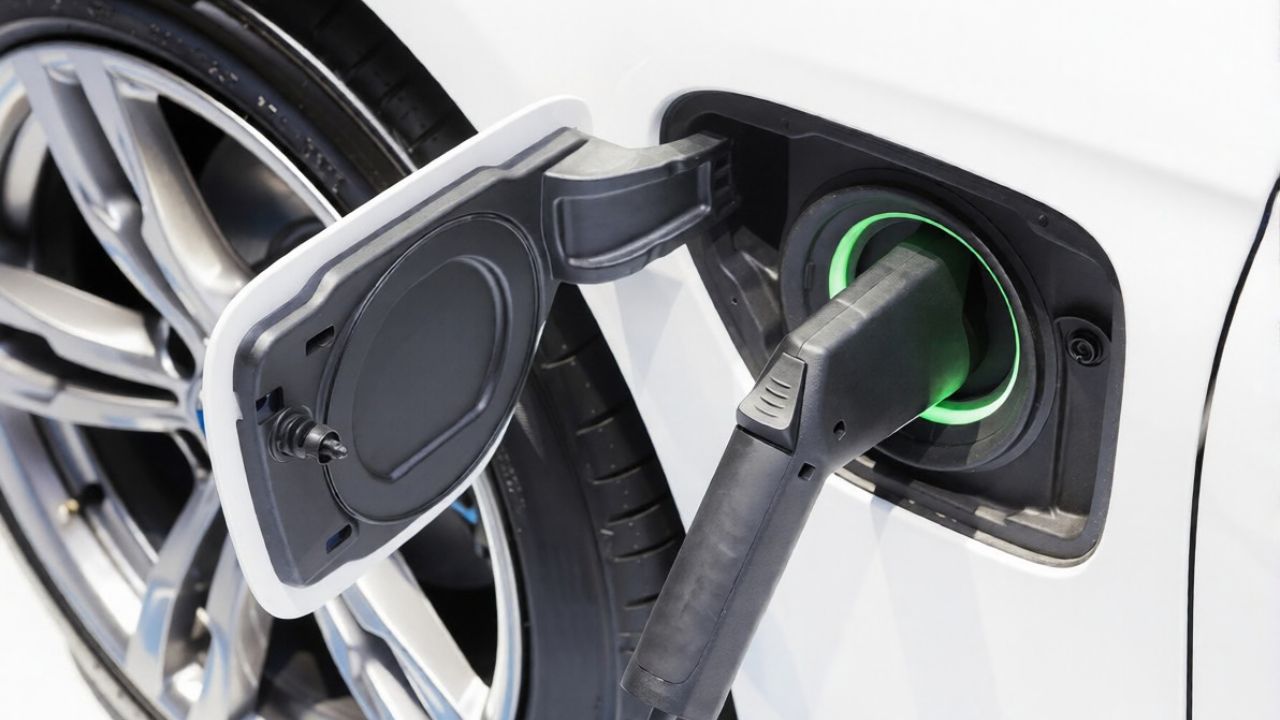
Battery chemistry is only half the story. To turn 800 km claims into real-world convenience, public charging networks must deliver enormous power safely and cheaply. Hardware makers are starting to respond with systems that make current fast chargers look slow.
One high profile demonstration from Shenzhen highlighted a new charger that is described as twice as fast as Tesla’s most powerful units and capable of recharging an electric vehicle in just minutes. The event, streamed from Shenzhen, framed the technology as a way to make electric vehicle charging feel a lot more like a quick fuel stop rather than a half-hour wait.
Suppliers see an opportunity to leapfrog existing networks by going straight to megawatt-class chargers tailored for both passenger cars and commercial vehicles. That kind of infrastructure is essential if claims of 10 to 12 minute full charges are to be more than marketing lines on a brochure.
Reality check: test cycles, cold weather and consumer trust
For all the excitement, there is a growing gap between official test numbers and what drivers experience. One independent magazine test found that official figures for how many miles an electric car can drive after one charge are often overstated, with real-world range coming in roughly one third lower than advertised in some cases. The testing pointed to cold temperatures and higher motorway speeds as key factors that drag down efficiency.
That discrepancy matters even more as advertised ranges climb. If an 800km claim is based on a gentle cycle in warm conditions, drivers in colder climates might see something closer to 500 km on the highway. As a result, regulators and consumer groups are paying closer attention to how automakers communicate their numbers, and whether WLTP, CLTC or EPA style tests better match typical use.
Battery makers are aware of the trust issue. Several have begun highlighting not just peak range but also performance after hundreds of fast-charge cycles, and some research teams now publish detailed degradation curves that show how capacity fades over time. The Korean scientists behind the 500-mile prototype, for instance, have emphasized cycle life in their Nature Energy paper rather than focusing solely on eye-catching range figures.
Automakers, too, are adjusting their messaging. Marketing around the BMW iX3 50 xDrive 500-mile target, for example, increasingly stresses that the figure is a Wltp estimate, and that highway range will be lower. Chinese brands that tout 621 miles under Chinese CLTC are starting to acknowledge that export models tested under stricter regimes will post smaller numbers.
What 800 km and 10 minute charging would change
Like Fix It Homestead’s content? Be sure to follow us.
Here’s more from us:
- I made Joanna Gaines’s Friendsgiving casserole and here is what I would keep
- Pump Shotguns That Jam the Moment You Actually Need Them
- The First 5 Things Guests Notice About Your Living Room at Christmas
- What Caliber Works Best for Groundhogs, Armadillos, and Other Digging Pests?
- Rifles worth keeping by the back door on any rural property
*This article was developed with AI-powered tools and has been carefully reviewed by our editors.