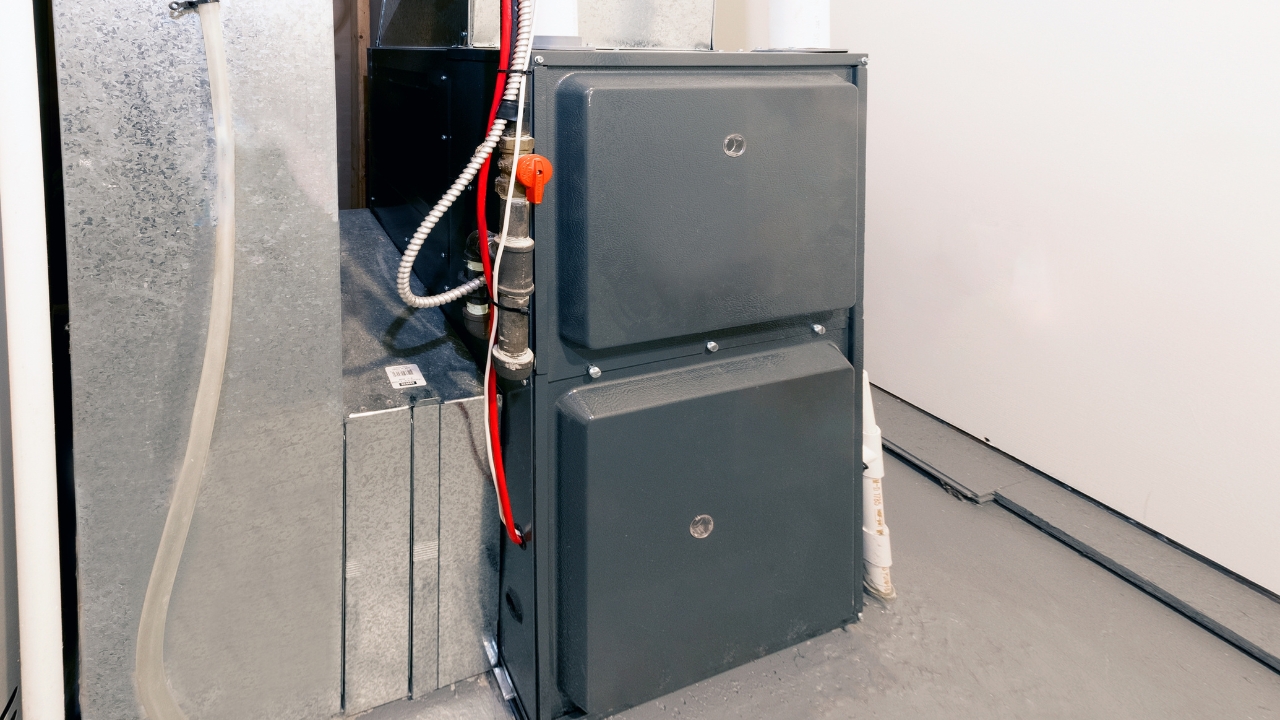
New furnace efficiency rules are coming and the venting issue homeowners should understand now
New federal furnace rules are about to reshape how your home is heated, and the most disruptive change will not be the sticker on the unit but the pipes that carry exhaust out of your house. As efficiency requirements tighten, the shift from traditional metal flues to plastic sidewall venting will force many homeowners to rethink where a furnace can sit, how walls are drilled, and what it costs to upgrade. Understanding that venting issue now gives you time to plan instead of scrambling when your old system finally fails.
What the new 95% efficiency rule actually does
The Department of Energy is tightening the baseline for gas furnaces so sharply that the equipment you have today may not be legal to replace with a similar model in a few years. A federal rule requires most new residential gas furnaces to reach an annual fuel utilization efficiency of at least 95%, which effectively eliminates the low to mid efficiency units that can share a chimney with a water heater or use a simple metal vent. That standard has been upheld in court, so the policy is no longer theoretical.
Under this rule, the Department of Energy will effectively prohibit the manufacture of non condensing furnaces beginning in late 2028, which means any new gas furnace sold after that point will need to meet the higher efficiency standard or it cannot be produced at all. Reporting on the Department of Energy rule makes clear that this is not a voluntary target but a binding minimum performance level. For you, the practical takeaway is that the next time you replace a furnace after 2028, the default option will be a condensing model with very different venting needs.
How the 2028 furnace standard changes your replacement options
The 2028 standard does more than raise a number on a spec sheet, it reshapes the menu of products contractors can offer when your current furnace dies. Industry guidance explains that all new furnaces sold after 2028 will have to comply with the latest efficiency threshold, which means contractors will no longer be able to order a basic non condensing unit that vents into an existing B vent or masonry chimney. That shift will be felt most acutely in older homes where the furnace room was designed around a vertical flue and tight clearances.
Trade analysis has already framed this as Big news from the Department of Energy because it forces contractors to think about vent routing, condensate drains, and combustion air on every job, not just high end installations. If your current furnace is approaching the end of its life, you may want to discuss timing with your installer, since replacing like for like before the cutoff can be simpler in some homes, while others may benefit from moving early to a condensing system that is already aligned with the 2028 rules.
Why condensing and non condensing furnaces are treated differently
At the heart of the policy fight is a technical distinction that matters a lot for your basement: regulators treat condensing and non condensing furnaces as two separate product classes because they handle exhaust in fundamentally different ways. Non condensing units send very hot flue gases up a metal vent, which wastes energy but allows the furnace to share a chimney with other appliances and avoids dealing with liquid condensate. Condensing models cool that exhaust so much that water vapor turns to liquid, capturing more heat for your home but creating acidic condensate that must be drained and vented through corrosion resistant piping.
Critics argue that forcing every homeowner into the condensing class ignores the cost and complexity of retrofitting venting in tight spaces or multifamily buildings. A detailed one pager on how the DOE’s Furnace Rule affects Americans warns that treating condensing and non condensing furnaces as a single regulated category would require many households to make costly changes to venting and drainage just to keep using gas heat. That tension between long term energy savings and near term retrofit expense is exactly why you should understand what kind of furnace you have now and what it would take to convert your home to a condensing layout.
The policy backstory: how the DOE got here
The current rules did not appear overnight, they are the latest step in a long campaign by federal energy officials to squeeze more heat out of every unit of fuel. The Office of Energy Efficiency and Renewable Energy, often shortened to EERE, within DOE has been working on a Recently Proposed Residential Furnace Rule Do that would lock in higher efficiency for a generation or more. That proposal builds on earlier standards that already pushed furnaces away from the least efficient designs and set the stage for the current 95 percent threshold.
Federal officials have framed the latest step as part of a broader push to cut energy bills and emissions across dozens of household products. With this final standard, DOE notes that it has now issued proposed or final efficiency standards for 24 product categories, from air conditioners to water heaters, under its Appliance and Equipment Standards Program. Furnaces are just one piece of that larger puzzle, but because they tie directly into your home’s venting and gas lines, the practical impact of the furnace rule can feel more disruptive than a quiet change in refrigerator ratings.
How furnace efficiency ratings evolved and why that matters now
To understand why regulators are comfortable drawing a hard line at 95 percent, it helps to look at how far typical furnaces have already come. In 2007, the DOE raised the minimum AFUE for standard furnaces, nudging the market away from outdated equipment that wasted a large share of fuel as hot exhaust. Many homeowners have since upgraded to mid efficiency units without thinking much about the policy backdrop, treating AFUE as just another number on a brochure rather than a regulatory floor that keeps climbing.
Consumer facing explainers on what you need to know about new furnace efficiency standards walk through how AFUE works and what counts as a good furnace efficiency rating in today’s market. Those guides emphasize that while a 95 percent unit can cut fuel use compared with an older 80 percent model, the real world benefit depends on your climate, gas prices, and how well your home is insulated. That context is crucial as you weigh whether to replace a working furnace early to capture savings or ride it out until the new rules make a condensing upgrade unavoidable.
The venting shift: from chimneys to plastic sidewall pipes
The most visible change you will notice with a condensing furnace is not the cabinet in your basement but the white plastic pipes snaking out through a side wall. High efficiency furnaces typically use PVC or similar materials to vent cooler exhaust horizontally, often with separate intake and exhaust pipes that must be carefully routed to avoid recirculating flue gases. That is a stark contrast to non condensing units that rely on a single metal flue rising through the roof, sometimes shared with a gas water heater or other appliance.
Technical guidance on Ventilation Requirements for High Efficiency Furnaces explains what is different about these systems, from the need for precise clearances around windows and doors to the importance of protecting terminations from snow buildup. Because the exhaust is cooler and contains more moisture, improper venting can lead to frost on siding, staining, or even exhaust re entering the home if pipes are too close to grade or architectural features. Planning that vent route in advance, rather than on the day your old furnace fails, can save you from awkward pipe runs or expensive wall repairs.
Hidden costs and retrofit challenges in existing homes
For many homeowners, the biggest worry is not the price tag on a new furnace but the extra work required to make a condensing unit fit into an older house. Running new PVC vent lines through finished walls, adding a condensate drain to a floor that lacks a nearby sewer connection, or abandoning a shared chimney can all add hundreds or even thousands of dollars to a project. In some row houses, condos, or tight mechanical rooms, there may be no obvious path for sidewall venting without cutting into brick facades or common areas, which can trigger building association approvals and additional costs.
Federal rulemaking documents on Replacement Installations acknowledge the complexity of moving from Non condensing to Condensing Non Weatherized Gas Furnace setups, especially when existing venting cannot be reused. Advocacy materials arguing that the DOE’s Furnace Rule harms Americans highlight these retrofit burdens, warning that some households will face costly structural changes just to comply. As you plan, it is worth asking contractors to break out venting and condensate work as separate line items so you can see exactly how much of the quote is driven by the new efficiency regime.
Maintenance realities of high efficiency venting
Once a condensing furnace is installed, the venting system itself becomes a maintenance item you cannot ignore. Because these units produce large amounts of moisture, the condensate drain and trap must stay clear or the furnace will shut down to protect itself. If the drain line clogs with debris, algae, or ice, safety switches can lock out the burner, leaving you without heat until the blockage is cleared and the system is reset.
Service pros who document High efficiency furnace problems often start with Plugged condensate drains, noting that when the drain backs up the furnace will stop working entirely. That is why annual maintenance visits that include flushing the condensate line, checking vent terminations for nests or snow, and verifying proper slope on PVC runs are more important with condensing equipment than with older metal flues. If you are used to ignoring your furnace until it fails, the new venting reality is a strong argument for putting a recurring tune up on your calendar.
How to prepare your home and budget before the rules hit
The good news is that you still have time to get ahead of these changes instead of reacting under pressure during a cold snap. A practical first step is to have a trusted contractor walk through your mechanical space and sketch out where a future condensing furnace could vent, including options for routing pipes, handling condensate, and dealing with any other appliances that currently share a chimney. That conversation can surface whether your home is a straightforward candidate for a high efficiency upgrade or whether you should plan for more extensive work when the time comes.
Home performance checklists that outline HVAC Considerations Homeowners Should Keep in Mind for 2025 encourage you to think about system age, duct condition, and insulation alongside equipment efficiency. Seasonal guides to the heating season note that in 2025, the Department of Energy is tightening standards as energy costs are climbing but so is efficiency, which means planning ahead can help you capture savings rather than just absorb higher upfront costs. One such Key Highlights list from Oct points out that New Depar rules are reshaping the furnace market, which is exactly why it pays to align your replacement timeline, financing, and home upgrades before the 2028 deadline arrives.
Using broader home energy standards to your advantage
The furnace rule is part of a wider wave of home energy efficiency standards that can either feel like a burden or become a roadmap for smarter upgrades. New 2025 Energy Efficiency Standards implemented by the U.S. Department of Energy are raising the bar for multiple systems at once, which means you can coordinate improvements to your heating, cooling, and envelope instead of treating each as an isolated project. In colder climates like Denver, for example, pairing a high efficiency furnace with better air sealing and smart controls can magnify the benefit of the new equipment.
Explainers on What the 2025 Energy Efficiency Standards require stress that understanding the 2025 efficiency ratings helps you make better decisions about when to replace major systems and how to prioritize upgrades. By viewing the furnace venting shift through that broader lens, you can time window replacements, insulation projects, or even a future heat pump so that each step supports the next. The Department of Energy’s own framing of the furnace rule as a way to save Americans billions on energy bills underscores that, while the venting work may be disruptive, you have an opportunity to come out of this transition with a more comfortable, efficient home that is ready for the next round of standards as well.
Like Fix It Homestead’s content? Be sure to follow us.
Here’s more from us:
- I made Joanna Gaines’s Friendsgiving casserole and here is what I would keep
- Pump Shotguns That Jam the Moment You Actually Need Them
- The First 5 Things Guests Notice About Your Living Room at Christmas
- What Caliber Works Best for Groundhogs, Armadillos, and Other Digging Pests?
- Rifles worth keeping by the back door on any rural property
*This article was developed with AI-powered tools and has been carefully reviewed by our editors.