Newsom says TikTok is “suppressing” anti-Trump posts — and TikTok blames a meltdown-level glitch
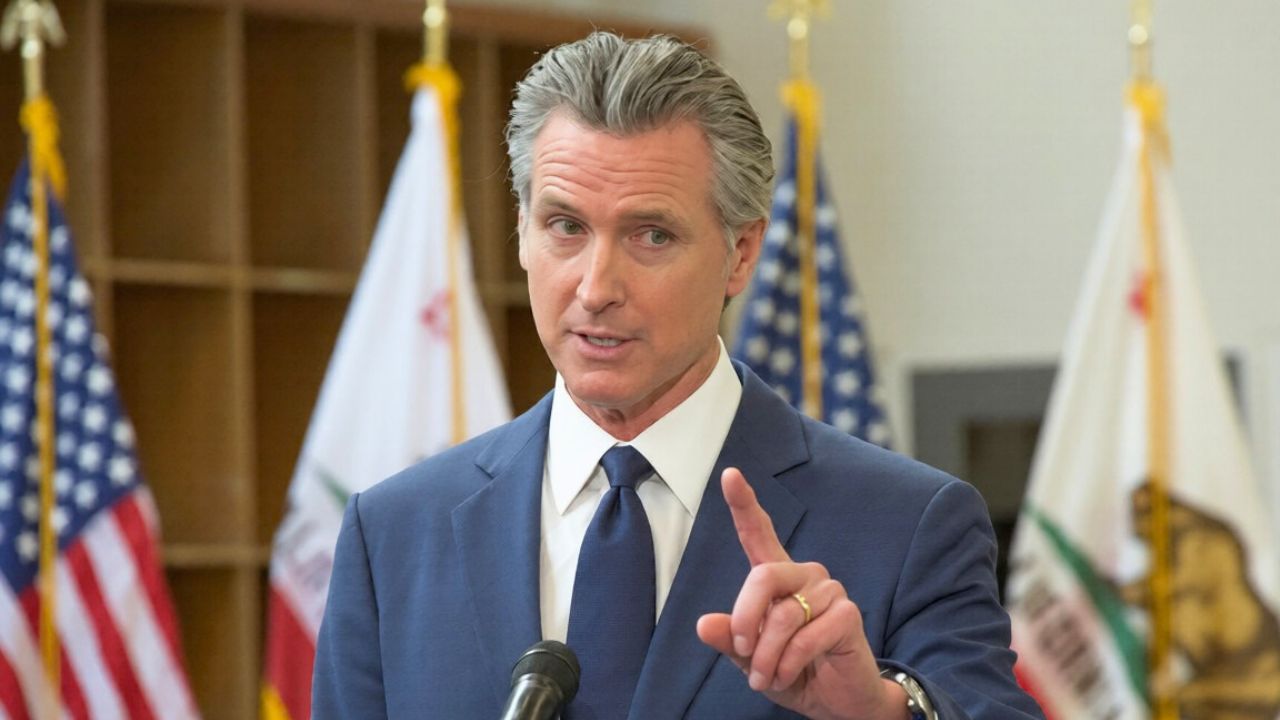
California Gov. Gavin Newsom is escalating a fight with TikTok after alleging the platform has been suppressing content critical of President Donald Trump — a claim TikTok says is the result of a cascading technical failure, not political favoritism. Newsom’s office said it has received reports and confirmed instances of suppressed content, and the state launched a review to determine whether TikTok’s moderation practices violated California law.
The timing is what made this story catch fire. The allegations landed shortly after TikTok’s U.S. operations were transferred into a new majority U.S.-owned structure following a deal that Reuters reported was praised by Trump and designed to avoid a nationwide ban while addressing U.S. data-security concerns. That proximity — a Trump-aligned deal, then reports that anti-Trump content is getting throttled — is exactly the kind of sequence that fuels suspicion online, even before anyone proves intent.
TikTok’s response was blunt: it blamed a recent data center power outage and said the outage triggered bugs and delayed uploads due to a cascading systems failure. In plain English, TikTok is saying the platform didn’t “shadowban” anyone — it broke in a way that produced weird visibility problems and upload delays.
Newsom isn’t treating it as a simple tech hiccup. He’s framing it as a civil enforcement question: if a major platform is functionally hiding political speech, whether by design or negligence, the state wants to know what rules apply and who is accountable. That’s why the review matters. It’s not just a PR fight between a governor and a social platform. It’s a legal pressure move that could force disclosure about how content ranking, moderation tools, and platform “bugs” interact — and whether users can even tell when they’re being suppressed.
The bigger reason this is getting reactions is that people already believe platforms quietly shape what they see. The Newsom allegation gives that belief a clean headline, and TikTok’s “systems failure” explanation gives skeptics an easy counter: “Sure, it was a glitch.” That tension is catnip online because both sides sound plausible to different audiences.
For users, the practical question is simple: if your posts disappear into the void, is it censorship, a bug, or algorithmic randomness? For regulators, the question is whether platforms owe the public clearer disclosure when system changes or failures affect visibility — especially around politics. And for TikTok, the stakes are obvious: it’s trying to stabilize U.S. trust at the exact moment its ownership structure and influence are under the microscope.