Norovirus outbreaks are being tracked this season, and your cleaning routine matters more than you think
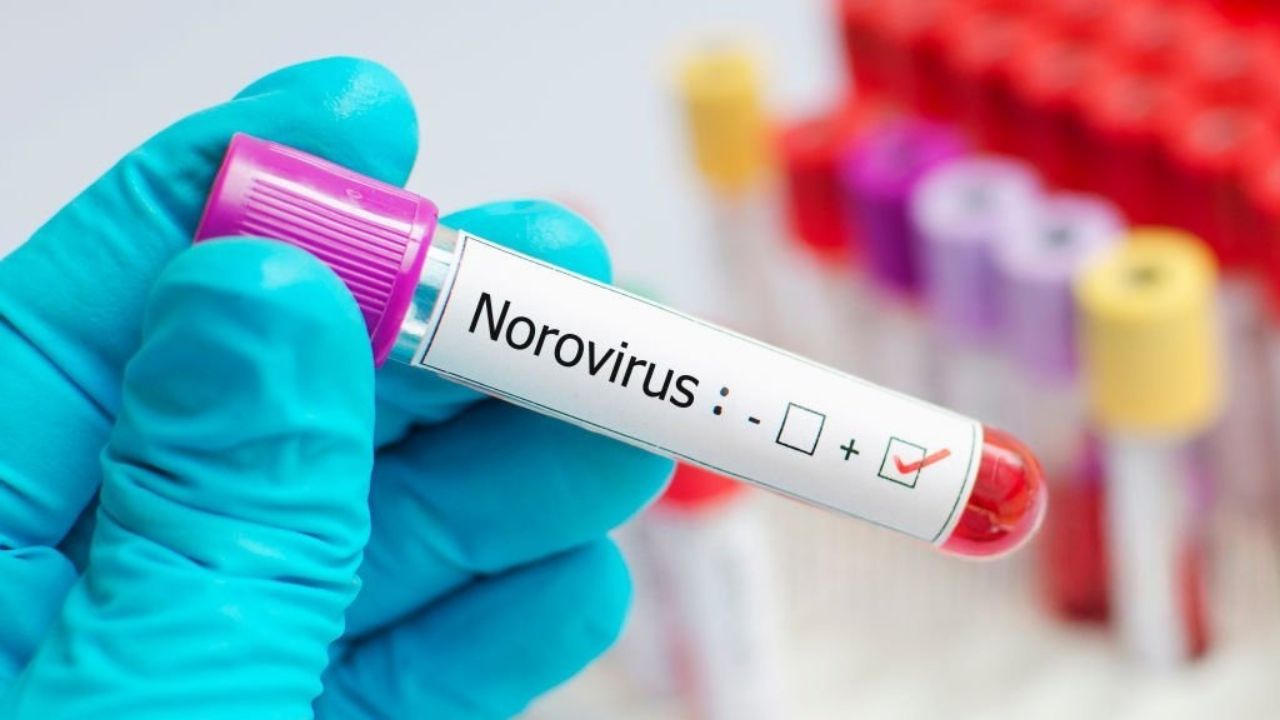
Norovirus is not a niche winter nuisance. It is one of the most contagious infections you are likely to encounter, and this season it is being tracked closely as outbreaks ripple through schools, long term care facilities, and workplaces. If you think of it as a short lived “stomach flu” that you can wipe away with a quick spray of cleaner, you are underestimating both the virus and the role your cleaning routine plays in stopping it.
Public health teams are watching clusters of vomiting and diarrhea the way meteorologists watch storm systems, because a single sick person can seed an entire community. The difference between a contained incident and a full blown outbreak often comes down to what you do in the first minutes and hours, from how you wash your hands to which products you reach for under the sink.
1. Why this norovirus season looks different
You are not imagining it if you feel like more people around you are suddenly getting sick with violent stomach symptoms. Surveillance reports describe a surge in activity, with Levels currently highest in the Midwest and Northeast and outbreaks forcing Two schools in Massachusetts to close for several days. When classrooms and care homes have to shut their doors, it is a sign that the virus is outpacing routine hygiene and that more aggressive control measures are needed.
Behind the scenes, scientists are tracking which versions of the virus are driving these spikes. A detailed analysis of outbreak data found that GII.17 has caused 75% of all norovirus outbreaks during the 2024–25 season so far, replacing older strains that used to dominate. Another review reported that, in the 2024–25 season, In the same period GII.17 accounted for 75.4% of outbreaks while GII.4 accounted for 27.7%, underscoring how quickly a new variant can take over. When a fresh strain like this spreads, your usual habits may not be enough, because the virus is finding every gap in your defenses.
2. How norovirus actually spreads in your daily life
To understand why your cleaning routine matters, you need to see how norovirus moves through your world. People who are sick can release billions of particles in a single episode of vomiting or diarrhea, and Norovirus is extremely contagious because it takes only a tiny fraction of those particles to infect someone else. The virus can spread when you share food, touch a contaminated doorknob, or stand near someone who is vomiting and then touch your mouth without thinking.
Once symptoms start, you are not just sick, you are a source of new infections. Guidance on How long people remain contagious explains that you can shed virus from the moment symptoms begin and for at least a few days after they stop. That means you might feel well enough to go back to work or send your child to school while still leaving infectious traces on keyboards, cafeteria tables, and bathroom sinks. Without deliberate cleaning and handwashing, those traces become the starting point for the next wave of illness.
3. Why hand sanitizer is not your main defense
In an era of pump bottles at every checkout counter, it is tempting to treat alcohol gel as a cure all. With norovirus, that shortcut fails you. Public health experts emphasize that Wash hands well with soap and water as the primary defense, because the virus has a sturdy outer shell that alcohol based products do not reliably break down. Rubbing sanitizer on visibly dirty hands after cleaning up vomit or changing a diaper leaves plenty of virus behind.
Detailed outbreak guidance reinforces that point by stressing that you should Wash your Hands frequently and adequately, and always choose traditional hand washing over sanitizer when you have the option. Reporting on this season’s surge notes that Norovirus particles can survive on your skin even after a quick squirt of gel, which is why sinks, soap, and a full 20 seconds of scrubbing are non negotiable if you want to break the chain of transmission.
4. The surfaces that quietly keep outbreaks going
Norovirus does not just vanish when the bathroom looks clean again. Microscopic particles can cling to countertops, railings, elevator buttons, and toys long after the mess is gone. One analysis of how long the virus persists on inanimate objects notes that, according to a General Persistence Timeline, Norovirus remains infectious on hard, nonporous surfaces for up to 42 days. That means a single poorly cleaned spill in a break room can keep seeding new cases for weeks.
Clinicians who study environmental contamination warn that Norovirus Germs Can Live on household and office Surfaces for up to Two Weeks, sometimes longer, depending on temperature and humidity. When you combine that staying power with the fact that only a few particles can make someone sick, you can see why wiping once with a damp cloth is not enough. High touch areas in your home, office, or classroom need deliberate, repeated disinfection during an outbreak, not just cosmetic tidying.
5. Cleaning up vomit and diarrhea without spreading the virus
The most dangerous moment in a norovirus incident is often the cleanup. If you rush in with paper towels and no protection, you risk inhaling aerosolized particles or smearing the virus into new areas. Public health toolkits for long term care facilities spell out that Here are some examples of when to report Illnesses above baseline and Determine how many residents and staff are affected, precisely because improper cleanup can turn a single episode into a facility wide outbreak.
Step by step instructions from state health departments start with personal protection. Official Steps to clean up vomit and diarrhea advise you to put on disposable gloves and a face mask before you approach the mess, then carefully remove solids, bag all waste, and dispose of it without shaking or splashing. A practical Following guide adds that you should Remove any visible vomit or stool first, then disinfect carpet and furniture with appropriate solutions and wash your hands with soap and water for at least 20 seconds afterward. Treating cleanup as a controlled procedure, not a quick chore, is what keeps the virus from traveling beyond the immediate area.
6. Choosing disinfectants that actually work on norovirus
Not every product in the cleaning aisle is built for this job. Many sprays and wipes are designed for bacteria or for viruses that are easier to kill than norovirus, which is why labels can be misleading. The federal environmental agency maintains a list of EPA’s registered antimicrobial products effective against norovirus (tested using a feline calicivirus surrogate), and those are the kinds of disinfectants you should look for when you are dealing with a suspected case. If your bottle is not on that list or does not specify activity against norovirus or its surrogate, it may not be enough.
Food safety regulators go further by recommending specific concentrations and contact times. Guidance on DISINFECTION of THE CONTAMINATED AREA notes that the CDC recommends a diluted chlorine bleach solution for environmental disinfection in food establishments. School and childcare guidance adds that, after chemical disinfection, you may need to use heat, advising that you Then steam clean at 158 degrees Fahrenheit for five minutes or 212 degrees Fahrenheit for one minute to fully treat soft surfaces. Reading labels and following these specific instructions is what turns a bottle of bleach or a steam cleaner into a real infection control tool.
7. What facilities are doing, and what you can copy at home
Long term care centers and hospitals cannot afford to be casual about norovirus, so their playbooks offer a useful template for your household. Official Norovirus Outbreak Guidance for these settings states that Control measures should remain in place until at least 48 hours after the last case symptoms have resolved, and that robust Infection Control practices are non negotiable. That means isolating sick residents, restricting group activities, and intensifying cleaning of bathrooms, dining rooms, and shared equipment.
Toolkits for care homes spell out the nuts and bolts: they instruct staff to Wear Gloves at all times when cleaning, change them between tasks, and Clean rooms of asymptomatic residents last so you do not carry virus into safer spaces. You can adapt the same logic at home by designating one bathroom for the sick person if possible, cleaning that room last with dedicated supplies, and keeping up enhanced disinfection for at least two full days after everyone feels better. Treating your home like a mini facility during an outbreak may feel formal, but it dramatically lowers the odds that illness will ping pong through your family.
8. Schools, childcare centers, and the ripple effect into your household
Classrooms and daycare rooms are ideal environments for norovirus to spread, and what happens there rarely stays there. In the Chicago area, a suburban school recently shifted to remote learning and a hospital issued a warning as a stomach virus spread, with officials stressing that Norovirus Prevention Because the virus is so contagious and resistant, it is hard to control in crowded settings. When a school closes or a childcare center reports multiple cases, you should assume that some of that risk is coming home on backpacks, lunch boxes, and tiny hands.
Education specific toolkits recognize this and build in extra safeguards. Guidance for school and childcare outbreaks recommends that, after initial disinfection, you Then use high temperature steam cleaning on carpets and soft toys, and that staff minimize activities that could aerosolize particles, such as vigorous vacuuming, until thorough cleaning is complete. When your child’s classroom is affected, you can mirror that caution by laundering their clothes and bedding on hot cycles, wiping down lunch containers with a disinfectant effective against norovirus, and reinforcing careful handwashing as soon as they walk through the door.
9. Turning your cleaning routine into a real outbreak barrier
Norovirus seasons will come and go, and variants like GII.17 will rise and fall, but the habits you build now can blunt the impact of every future wave. Start by making thorough handwashing a reflex, especially after bathroom visits, diaper changes, and cleaning tasks, following the Key advice to scrub with soap and water for at least 20 seconds. Pair that with a small, clearly labeled kit of norovirus ready supplies at home, including disposable gloves, masks, paper towels, and a disinfectant from the list of Norovirus effective products, so you are not scrambling when someone suddenly gets sick.
Finally, think of your cleaning routine as part of a broader community response rather than a private chore. When you keep a sick child home for the full recommended period, follow facility style guidance to maintain precautions for at least 48 hours after symptoms stop, and clean high touch surfaces with the same rigor that long term care facilities apply, you are helping to shorten outbreaks that public health teams are tracking across regions. The virus will always look for the easiest path from one host to another; your job is to make every doorknob, countertop, and shared space a dead end instead of a shortcut.
Like Fix It Homestead’s content? Be sure to follow us.
Here’s more from us:
- I made Joanna Gaines’s Friendsgiving casserole and here is what I would keep
- Pump Shotguns That Jam the Moment You Actually Need Them
- The First 5 Things Guests Notice About Your Living Room at Christmas
- What Caliber Works Best for Groundhogs, Armadillos, and Other Digging Pests?
- Rifles worth keeping by the back door on any rural property
*This article was developed with AI-powered tools and has been carefully reviewed by our editors.