Older homes are reacting badly to modern expectations
Across the United States, you are more likely than ever to live in a house that predates the smartphone, the internet, and in many cases central air. Yet you probably expect that home to support streaming, remote work, electric vehicles, and wellness-focused living with no complaints. The tension between those expectations and the physical limits of aging buildings is starting to show up in cracked plaster, overloaded wiring, and renovation projects that spiral out of control.
Older homes are not failing because they were poorly built. They are failing because you are asking them to perform jobs they were never designed to do, from handling dense smart‑home networks to withstanding new climate stresses. When you understand how those pressures collide, you can decide whether to adapt your lifestyle, your renovation plans, or your next purchase instead of letting an old house quietly fall apart under modern demands.
Why you are more likely to end up in an older house
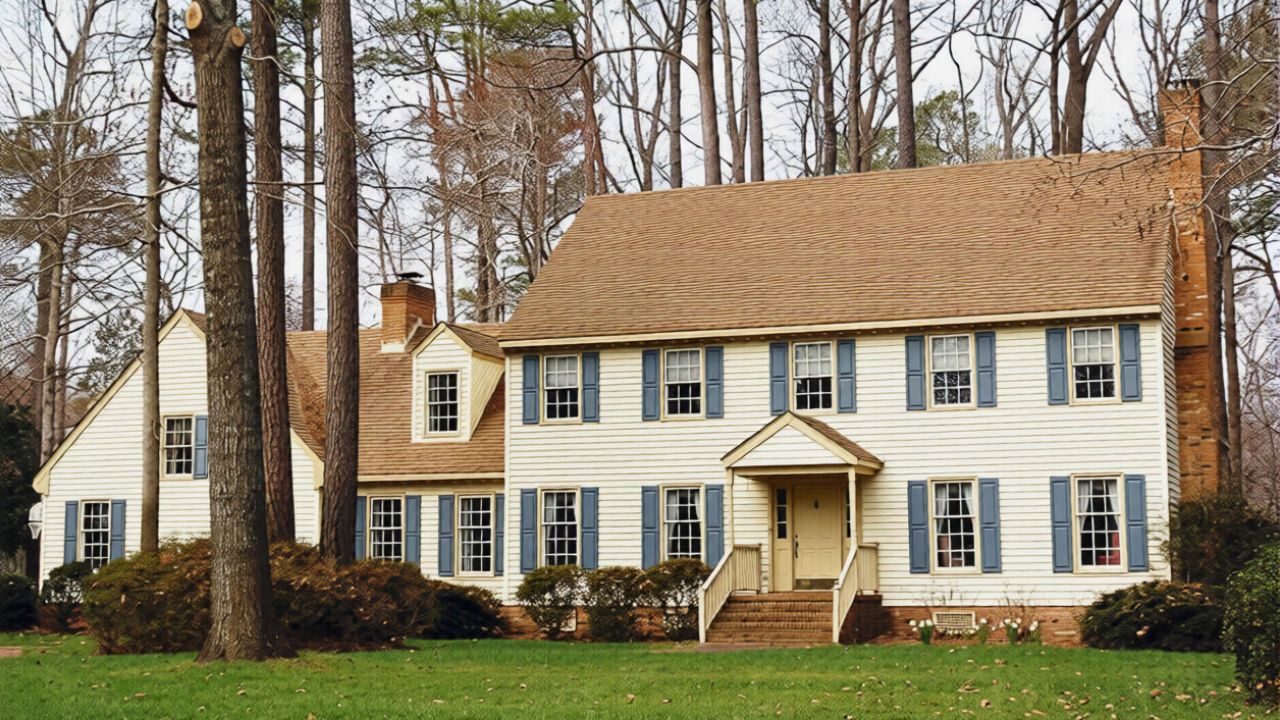
If you are shopping for a home right now, the odds are high that the place you buy will already have a few decades on it. The median age of homes purchased nationwide has climbed to 36 years, a sharp jump from 27 years in 2012, which means you are now more likely to inherit someone else’s aging systems than to move into a blank slate. Highlighting how a lack of new construction has reshaped the market, analysts have noted that the typical home being sold is older than ever, a trend that reflects both underbuilding and the premium that buyers place on established neighborhoods with existing schools, transit, and trees. You are not just choosing charm when you buy an older house, you are choosing into a national pattern of deferred maintenance.
At the same time, older properties are not necessarily cheaper consolation prizes. In many markets, they now command higher prices than new builds, in part because they sit in desirable locations and in part because there are simply not enough new units to go around. One recent analysis found that Highlighting the shortage of fresh inventory, buyers are increasingly competing over houses that were built for a different era of family life, energy prices, and technology. When you open a real‑estate app or scroll through listings on a platform like Redfin, you are seeing the outcome of that structural imbalance: a marketplace where older homes dominate the choices and set the tone for what “normal” housing looks like.
When nostalgia meets structural reality
You might fall for an old house because of its woodwork, tall windows, or tree‑lined street, but the romance can fade quickly once you confront sagging floors or a roof at the end of its life. In cities like Philadelphia, social service agencies describe families living in Conditions that other people would be appalled at, including collapsing porches and crumbling masonry that threaten both safety and stability. Those extremes are the visible edge of a broader problem: decades of underinvestment in older housing stock that was never upgraded to match modern standards for insulation, moisture control, or structural reinforcement. When you buy into that fabric, you inherit not just charm but also the consequences of every repair that was postponed or done on the cheap.
Even when a house is fundamentally sound, you may discover that its layout and systems are misaligned with how you live. Narrow kitchens, small closets, and compartmentalized rooms were perfectly logical when households cooked differently, owned fewer clothes, and did not work from home. Today, you might expect an open plan, a dedicated office, and a primary suite with a large bath, expectations that can require major structural changes to achieve. As you push walls around or cut new openings, you are asking a building designed for one set of loads and traffic patterns to accommodate another, which is why older homes can feel like they are “reacting badly” when cracks appear or doors stop closing after a renovation.
The renovation fantasy machine
Your expectations for what an old house can become are not formed in a vacuum. Social media and home‑improvement shows flood your feed with before‑and‑after transformations that compress months of work into minutes and rarely dwell on the cost of asbestos abatement or structural engineering. In one viral Oct video, a commentator pleads that if you want a modern house you should buy a modern house instead of stripping period details and flattening everything into a generic gray box. That backlash reflects a growing frustration among preservation‑minded owners who see historic fabric being sacrificed to unrealistic visions of what an “updated” home should look like.
At the same time, you may recognize yourself in the enthusiastic posts of first‑time buyers who declare, “I’m so excited about the idea of renovating it all by myself!” as one Dec renovation group member put it after years of renting and never being able to paint a wall or hang art. That eagerness is understandable, but it can collide with the reality that old houses often hide their biggest problems in the smallest, most imperfect packages: a hairline crack that signals foundation movement, a discolored outlet that hints at overloaded wiring, or a soft spot in the floor that points to long‑term moisture damage. When you treat a century‑old structure as a weekend DIY project, you risk turning manageable issues into expensive emergencies.
Old bones, new loads: the hidden systems under strain
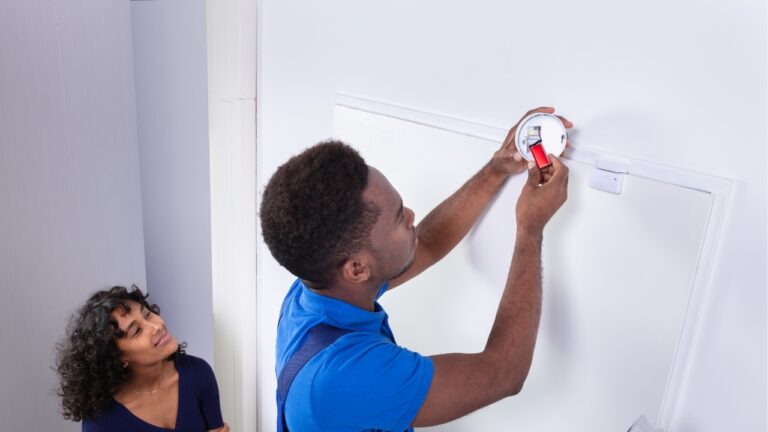
Even if you leave the floor plan intact, the way you use an older house can push its hidden systems to the breaking point. Electrical wiring that was perfectly adequate for a few lamps and a radio may be dangerously undersized for a household full of laptops, induction ranges, and electric‑vehicle chargers. As one guide to common renovation pitfalls notes, Electrical wiring in older homes often cannot safely power today’s appliances, which means you may need to upgrade panels, add dedicated circuits, or even rewire entire sections of the house. Plumbing, too, can struggle with modern expectations for multiple full baths, high‑pressure showers, and large capacity washers, especially when original galvanized pipes are still in place.
Beyond the basics, you are also layering on technologies that did not exist when your house was built. Smart thermostats, connected locks, whole‑home audio, and mesh Wi‑Fi networks all depend on stable power and signal paths that older walls and materials can disrupt. But most But Americans live in older homes that are either incompatible with new technology or must be retrofitted to accommodate it, which can involve fishing cables through plaster, adding access panels, or accepting that some devices will never work quite as seamlessly as advertised. When your router struggles to reach a back bedroom or a smart lock drains its batteries every few weeks, it is not just a tech problem, it is a sign that the building itself is pushing back against a digital overlay it was never meant to carry.
Are old houses actually “better built”?
You often hear that “they don’t build them like they used to,” a phrase that can be both true and misleading. Many older houses do benefit from dense lumber, thick plaster, and craftsmanship that would be prohibitively expensive to replicate today, and if you are Living in an old house you may appreciate details like solid wood doors and deep window casings. Yet those strengths coexist with vulnerabilities that were baked in from the start, such as minimal insulation, single‑pane glass, and foundations that were never waterproofed. They also coexist with “Too Many Unknowns,” from undocumented alterations to hidden termite damage, that can turn a seemingly sturdy structure into a risky investment once you start opening walls.
Modern building codes, by contrast, require specific standards for structural loads, fire resistance, and energy performance that older homes simply do not meet unless they have been systematically upgraded. That does not mean your prewar bungalow is inferior, but it does mean you should be cautious about assuming it is automatically more durable than a new build. When you compare eras, you are really comparing different design assumptions: older houses optimized for passive ventilation and smaller families, newer ones for tight envelopes and mechanical systems. If you try to force a historic structure to behave like a contemporary one without respecting those differences, you are likely to encounter condensation problems, uneven temperatures, or even structural movement as the building adjusts to new stresses.
Unrealistic expectations that sabotage good houses
The biggest threat to an older home is often not its age but your assumptions about what it should become and how quickly. Renovation professionals warn that poor planning and unrealistic expectations can Don’t just blow budgets, they can destroy a great old house by stripping out original materials, overloading structures, or cutting corners on critical repairs. If you expect a 1920s foursquare to deliver the same ceiling heights, window walls, and mechanical systems as a 2020s luxury build, you will either spend heavily to approximate that vision or end up disappointed and tempted to make compromises that hurt the building.
Those expectations are often shaped by data points that do not tell the whole story. You might see that older homes are suddenly commanding higher prices than new ones and assume that means they are turnkey. In reality, one analysis found that Redfin, the online real estate brokerage, reported that nearly 40% of home sales in the first quarter of 2025 involved sellers covering something, whether repairs or closing costs. That 40% figure is a reminder that price tags can mask significant underlying work, and that you should budget not just for cosmetic updates but for the invisible upgrades that keep an old house safe and functional.
Wellness, climate, and the new demands on old walls
Your expectations for housing are also shifting in ways that put fresh pressure on older structures. Surveys of buyers show that Housing Climate Concerns are rising as insurance rates climb and more properties fall into wildfire or flood zones. They are aware of it and talking about it, and Wellness has emerged as the number one purchase motivation, which means you may be looking for better indoor air quality, natural light, and quiet spaces for rest or meditation. Older homes can deliver some of that through thick walls and mature landscaping, but they often fall short on filtration, airtightness, and mechanical ventilation, all of which are crucial for health in a world of wildfire smoke and urban pollution.
Retrofitting an old house to meet those wellness and climate expectations can be technically complex. Adding insulation to walls that were designed to breathe can trap moisture if done incorrectly, leading to mold or rot that undermines both health and structure. Upgrading windows for energy performance can change how a façade sheds water or handles wind loads. When you push for net‑zero performance or spa‑like comfort in a building that predates modern energy codes, you need a plan that respects the original assembly rather than simply layering new materials on top. Otherwise, the house may respond with peeling paint, musty odors, or ice dams that signal deeper distress.
Money, equity, and the cost of making old homes behave
Even if you understand the technical challenges, the financial math of upgrading an older home can be punishing. In many markets, buyers are paying a premium for older properties in established neighborhoods, a trend that has been documented as older homes suddenly cost more than shiny new ones. That premium can leave you with less cash on hand for critical repairs, especially when sellers have already stretched to cover concessions or closing costs. When nearly 40% of transactions involve sellers paying for something extra, it is a sign that both sides are stretching to make deals work in a tight market.
How to align your expectations with what an old house can give
Like Fix It Homestead’s content? Be sure to follow us.
Here’s more from us:
- I made Joanna Gaines’s Friendsgiving casserole and here is what I would keep
- Pump Shotguns That Jam the Moment You Actually Need Them
- The First 5 Things Guests Notice About Your Living Room at Christmas
- What Caliber Works Best for Groundhogs, Armadillos, and Other Digging Pests?
- Rifles worth keeping by the back door on any rural property
*This article was developed with AI-powered tools and has been carefully reviewed by our editors.