Older homes require smarter planning
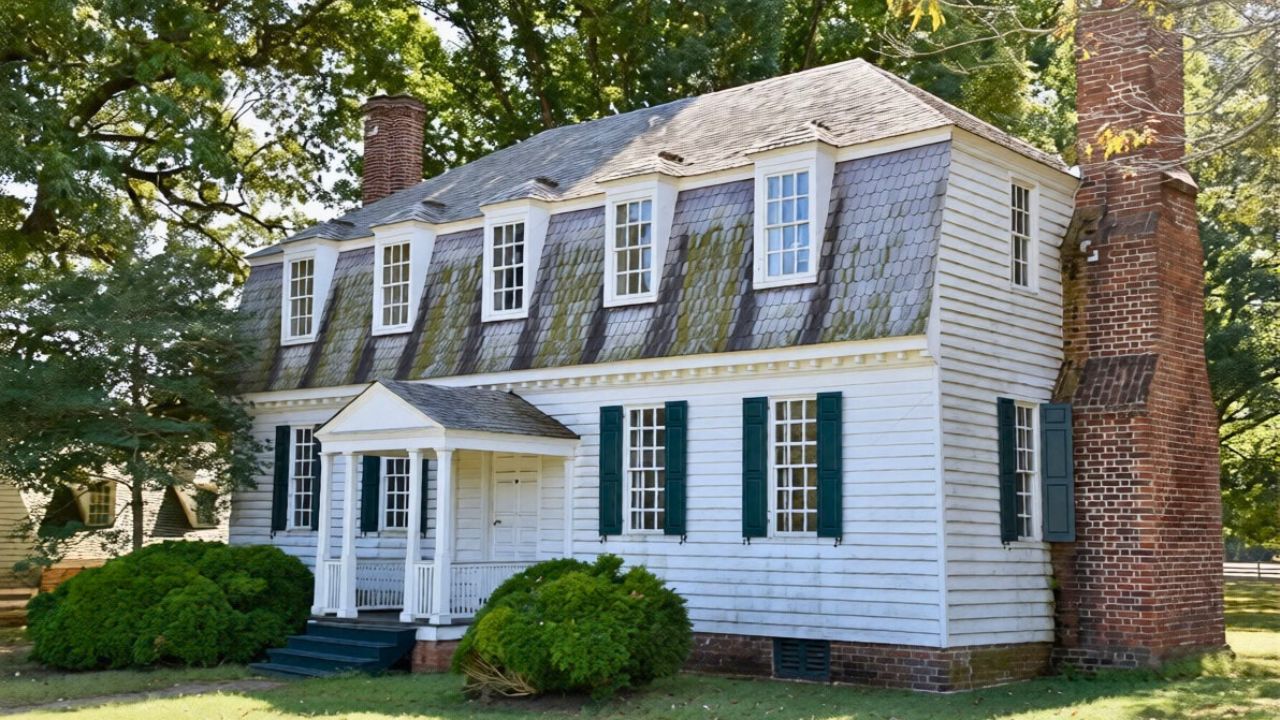
Older homes promise character, walkable neighborhoods, and solid craftsmanship, but they also come with aging systems, hidden hazards, and layouts that do not match how you live now. To make them work for modern life, you need more than fresh paint and new fixtures, you need a strategy that treats every upgrade as part of a long game. Smarter planning lets you protect your investment, preserve history, and quietly wire in the comfort, safety, and technology you expect from a new build.
Start with structure, safety, and the “bones”
If you own or are eyeing an older home, the smartest move is to begin where you cannot easily see: structure, wiring, plumbing, HVAC, and insulation. Reporting on older properties notes that they are prone to foundation and structural problems such as major cracks or uneven slabs, along with damage in above ground studs, issues that can turn cosmetic projects into costly do overs if you ignore them. Guidance on what to prioritize when updating an older home stresses “Structure and Safety” as the most important starting point, because everything from open concept layouts to new kitchens depends on a sound frame and dry, stable foundation.
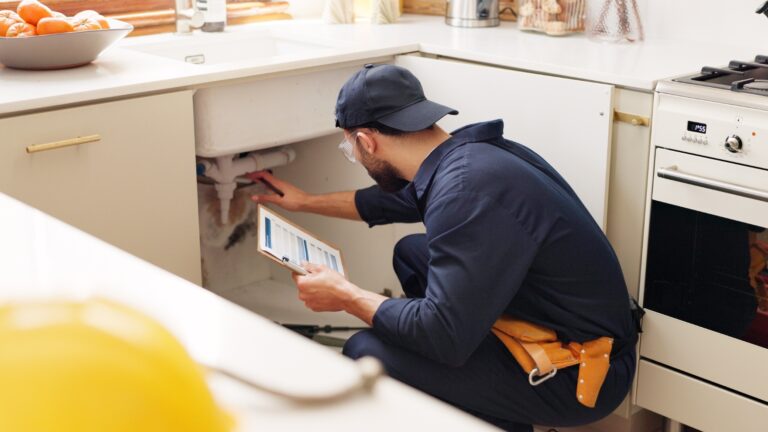
Once the structure checks out, attention should shift to the core systems that keep the house livable. Experts advising owners of older homes urge you to “Start with the bones,” meaning wiring, plumbing, HVAC, and insulation, because these are the least glamorous and most expensive to correct later if you skip them. Even when “Older homes have strong bones,” reporting warns that some systems need modernization, especially Electrical wiring that still relies on outdated materials or configurations. Older houses also typically incur higher maintenance costs, largely due to hidden issues in plumbing and other aging components, so tackling these early is a way to trade unpredictable emergencies for planned upgrades.
Budget like an investor, not a weekend decorator
Once you understand the condition of the house, the next smart move is to treat your renovation budget like an investment plan instead of a wish list. Analysts who track renovation costs point to the 30% rule in home renovation, which suggests that Homeowners should limit their renovation spending to no more than 30% of the home’s current value to protect equity. That discipline matters even more with older houses, where outdated materials and hidden defects can quickly consume contingency funds and tempt you to cut corners on safety critical work. Separate your must do list, such as structural repairs and code compliance, from your nice to have finishes so you do not end up with beautiful tile over failing subfloors.
Safety and compliance should sit at the top of that budget. Guidance on bringing older homes up to code urges Homeowners to focus on “Prioritizing Safety,” including Immediate repairs that address electrical hazards, failing stairs, or inadequate smoke and carbon monoxide detection. Renovation specialists also note that Renovations represent significant investments of time, money, and trust, and argue that “Why Long-Term Living Should Guide Renovation Decisions” is simple, you are paying now for how the house will function a decade from today. That long view is especially important because Older houses typically incur higher maintenance costs, so every dollar you put into durable systems and resilient layouts reduces the risk of paying twice for the same space.
Modern comfort without erasing character
Once the bones and budget are under control, you can start reshaping how the house feels and functions day to day, ideally without stripping away the details that made you fall for it. Designers who specialize in heritage properties emphasize that while preserving your home’s historic character is important, it is also essential to ensure that updates meet functional needs and safety standards. Advice on renovating historic luxury homes underscores that it is crucial to strike a balance between preserving historical character and integrating modern technology and conveniences, so you are not living in a museum. Other renovation guides remind you to Remember that a successful old house renovation is about respecting the past while creating a space where history and modern life come together comfortably.
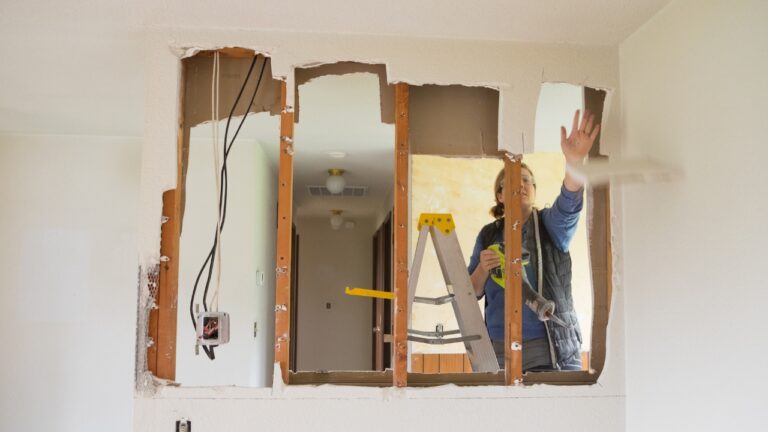
Layout is often the first battleground between charm and practicality. Contemporary design trends encourage you to Embrace Open Concept Living, noting that Open floor plans create a sense of spaciousness and better sightlines, but in older homes that might mean carefully removing walls while preserving original trim, beams, or ceiling details. Remodelers caution that Remodeling an ancient house lets you create rooms that fit your requirements and honor history, but Working on a home constructed decades ago demands appropriate design and knowledge so you do not compromise structural integrity. In many cases, focusing on Transforming Specific Areas of the Home, such as a cramped kitchen or a single outdated bathroom, delivers the biggest lifestyle gains while keeping the overall character intact.
Integrate smart technology with a thoughtful plan
Technology is now central to how you secure, heat, and navigate your home, but older houses need a deliberate approach so gadgets do not fight the architecture. Analysts of current design trends report that, According to a joint Thumbtack and Redfin study, the top home trend for 2026 is tech integrated design, with Homeowners prioritizing upgrades that are not only about convenience but also about increasing resale value. At the same time, experts on historic renovations warn that Additionally, it is crucial to balance modern tech with period details so devices and wiring do not visually overwhelm original woodwork or plaster. That is why specialists in classic properties recommend Planning a Thoughtful Integration Process, where you map where you need connectivity, power, and sensors before you close walls or refinish surfaces.
Practical guidance on How to install a smart home system in an existing home advises you to start by upgrading essential devices like thermostats, lighting controls, and security components that can deliver immediate benefits without major demolition. Aging in place design resources recommend that you Enhance Your Home with Smart Technology such as Door locks, Lighting, Thermostats, smoke and carbon monoxide detectors, appliances, and Home security systems, all of which can be layered onto existing infrastructure with minimal disruption. Consumer focused reporting on What is Happening Now with Smart Home Technology notes that One of the most popular home trends is adding Smart systems that you can monitor and control from anywhere, which is especially valuable in Older homes where early warning about leaks, temperature swings, or open doors can prevent small issues from becoming expensive damage.
Plan for aging in place and long term living
The smartest plan for an older home looks beyond the next few years and asks how the space will support you as you age. Research on housing preferences reports that Planning Aging in Place Home Design is increasingly common, and a 2024 U.S. News & World Report study found that 94% of older Americans want to stay in their homes as they age. Separate analysis of demographic trends notes that Eighty percent of seniors are homeowners, and they are not eager to move into facilities, which means the houses they already own, many of them older, must adapt to changing mobility, vision, and health needs. Specialists in accessibility stress that Designing a home for aging in place involves thoughtful planning and a range of features, from wider doorways and step free entries to better lighting and bathroom safety.
Like Fix It Homestead’s content? Be sure to follow us.
Here’s more from us:
- I made Joanna Gaines’s Friendsgiving casserole and here is what I would keep
- Pump Shotguns That Jam the Moment You Actually Need Them
- The First 5 Things Guests Notice About Your Living Room at Christmas
- What Caliber Works Best for Groundhogs, Armadillos, and Other Digging Pests?
- Rifles worth keeping by the back door on any rural property
*This article was developed with AI-powered tools and has been carefully reviewed by our editors.