Pandora settles a comedians’ royalty war — and the lawsuit dragged Robin Williams and George Carlin’s estates into it
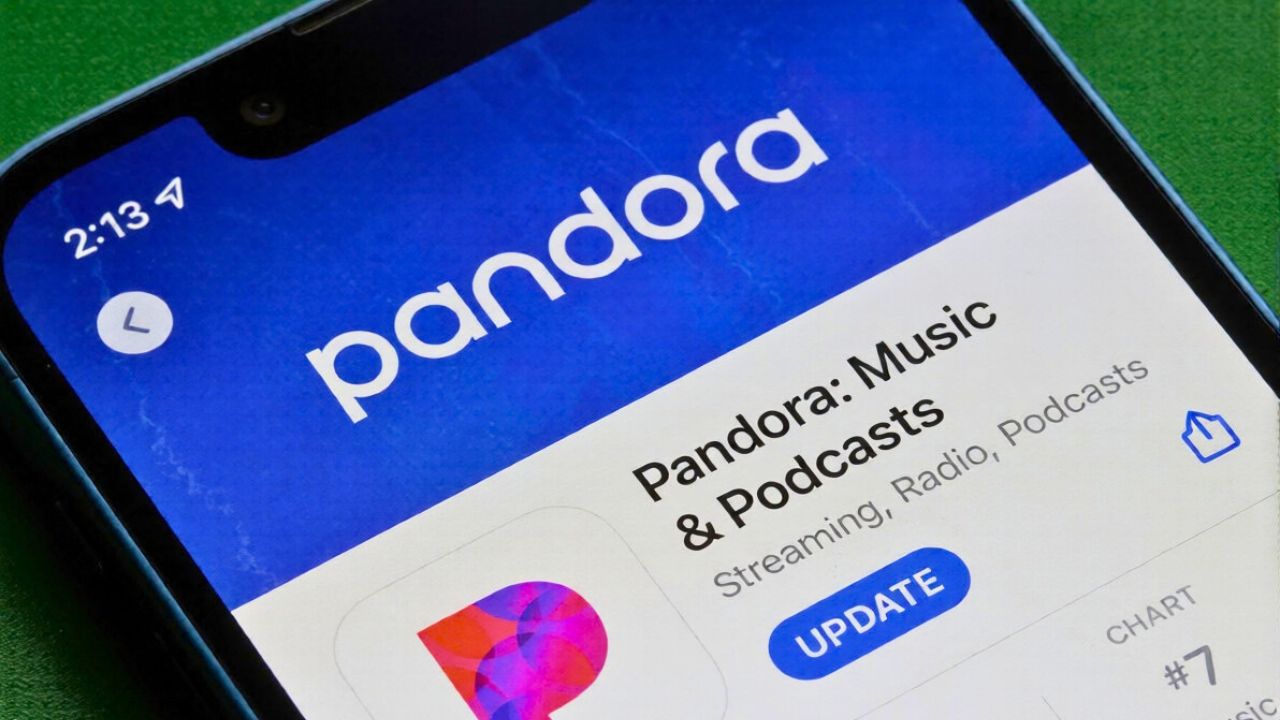
LOS ANGELES — Pandora Media has settled a lawsuit brought by prominent comedians — including the estates of Robin Williams and George Carlin — that accused the music-streaming service of failing to pay for the rights to stream their comedy material, according to a court filing in California federal court. The settlement ends a legal fight that has been closely watched in the entertainment world because it sits at a messy intersection: stand-up comedy treated as “content” like songs, but governed by a different set of rights and licensing expectations that streaming companies have long argued over.
The terms of the settlement are confidential, Reuters reported, and SiriusXM — Pandora’s parent company — said it did not pay the comedians for the specific literary-work rights at issue and did not take new licenses tied to the allegations in the lawsuit. That detail is why this is getting chatter: settlements often involve payments or licensing changes, but this one is being described by the company as ending without those concessions, even as the case is resolved. On the plaintiffs’ side, attorney Richard Busch said the matter was settled amicably, signaling both sides wanted off the litigation treadmill, which can be expensive, unpredictable, and reputationally noisy.
Why this resonates with readers who don’t care about copyright law: it’s about whether performers — or their estates — can get paid when a platform makes money distributing their work. Comedy isn’t just “audio” the way people think about music, and lawsuits like this surface a basic question audiences assume is already settled: if a platform streams it, who gets the check? The fact that estates were involved, including two names as iconic as Williams and Carlin, also amplifies the emotional side of the story because fans read it less like a corporate dispute and more like a fight over respect and ownership.
For Pandora and other streamers, these cases also function as warnings about how quickly “we’re just a platform” stops working as a defense when courts start digging into categories of rights. The settlement doesn’t create a public legal precedent, but it does close a chapter that highlighted the gap between what listeners assume is licensed and what rights-holders say still isn’t being recognized. And because streaming keeps expanding into podcasts, audiobooks, and stand-up catalogs, the same royalty questions are likely to keep popping up — even when the specific lawsuits get quietly settled behind closed doors.