Power-bank fires are rising, why cheap charging gear turns into a real home hazard
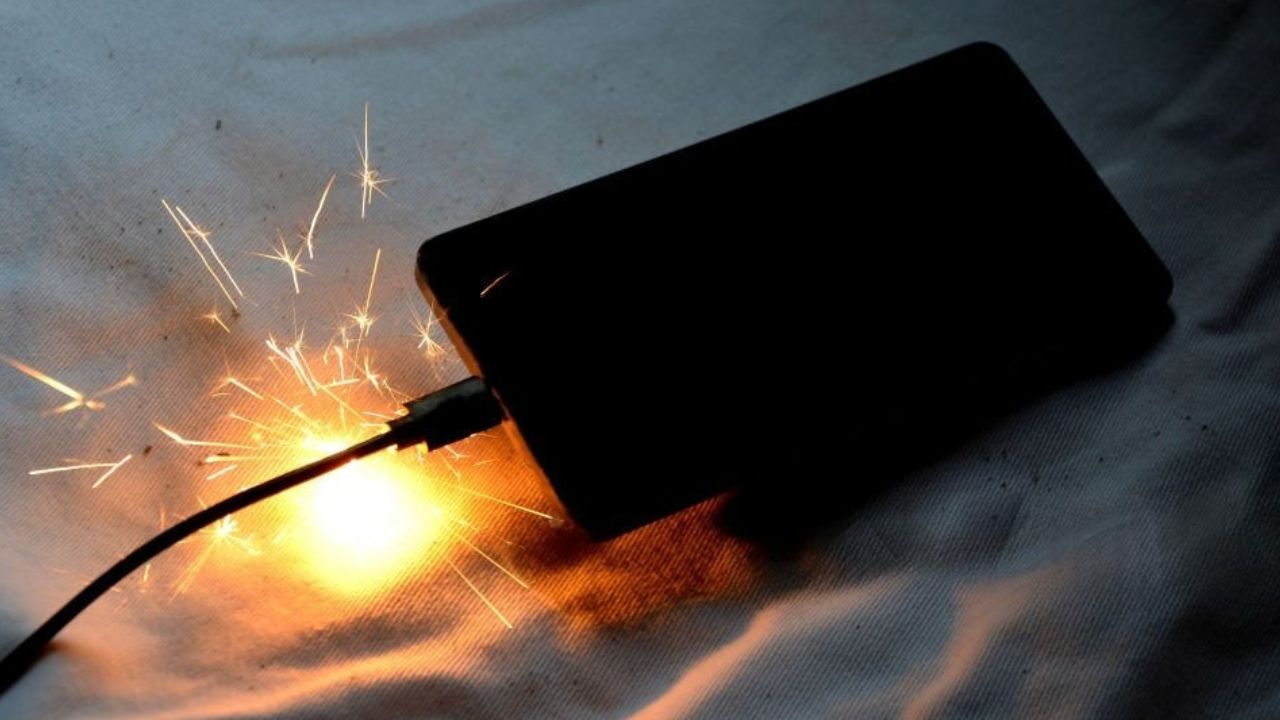
Portable batteries have quietly become one of the most common ignition sources in modern homes, tucked into backpacks, bedside tables and sofa cushions. As prices fall and capacities climb, fire investigators and safety regulators are now tracing more blazes back to the slim plastic bricks you use to keep your phone alive. The pattern is clear: when you chase the cheapest charging gear, you often inherit hidden design shortcuts that can turn a convenience gadget into a serious home hazard.
The good news is that you are not powerless in the face of this risk. Once you understand how power banks fail, why certain models are more dangerous than others and what warning signs to watch for, you can sharply reduce the odds that a battery on your desk or nightstand becomes the source of your next emergency call.
The quiet surge in power‑bank fire incidents
Fire services and safety agencies are increasingly treating portable batteries as a systemic risk rather than a string of freak accidents. Lithium cells now sit at the heart of almost every gadget you own, and when they fail, they fail energetically, with intense heat, toxic smoke and a tendency to reignite even after the visible flames are out. Specialist guidance on Why Lithium fires are rising notes that the chemistry inside these cells can enter a runaway reaction that standard extinguishers struggle to control, which is why a single failing power bank can escalate into a full room fire in minutes.
Regulators are responding with increasingly blunt warnings. In one recent alert, the U.S. Consumer Product Safety Commission urged people to stop using a specific line of portable batteries altogether, citing a risk of serious injury or death if the units overheated and ignited. When a national watchdog is telling you to unplug a pocket-sized charger as if it were a faulty space heater, it is a sign that these incidents are no longer fringe cases.
Inside the chemistry: why lithium cells can turn volatile
To understand why a palm‑sized battery can torch a bedroom, you need to look inside the cell. Lithium‑ion packs store a large amount of energy in a compact space, separated only by thin films and liquid electrolytes that are stable under normal use but unforgiving when damaged or poorly made. Technical explainers on What causes a power bank to catch fire describe how microscopic defects, contamination or even a separator that is a fraction too thin can allow internal short circuits that rapidly heat the cell from the inside.
Once that heat builds, the process feeds on itself. Guidance on Ion Batteries Can Catch Fire explains that the flammable electrolyte can vaporise and vent, turning the battery into a pressurised container that can burst, spray burning material and ignite nearby objects. In a cramped plastic power bank shell with multiple cells packed side by side, one failing cell can quickly trigger its neighbours, which is why a small device can produce flames and smoke out of all proportion to its size.
Cheap gear, thin margins and the safety shortcuts you do not see
The most worrying trend is not that lithium batteries can fail, but that the market is flooded with products built to a price point that leaves little room for robust safety engineering. Industry analysis of the Power Bank Recall Crisis notes that more than 1.6 m units have been pulled from shelves globally, and that even premium lithium cobalt oxide cells can fail when manufacturers cut corners on protection circuits, casing and quality control. If higher‑end brands can stumble, you can imagine what happens when an anonymous factory is racing to hit a rock‑bottom price on a marketplace listing.
Some of the starkest warnings come from aviation regulators. An explainer on in‑flight risks points out that Sharma and other safety experts see power banks and similar devices as less tightly regulated than phones or laptops, even though they use the same volatile chemistry. When you buy a no‑name charger with vague specifications and no independent testing marks, you are effectively trusting that the cheapest bidder in a global supply chain chose the right components and did not skip the protective circuitry that keeps a minor fault from turning into a fire.
When even brand names stumble: recalls and official warnings
It would be comforting to think that sticking to familiar logos is enough, but recent recalls show that is not always the case. A safety notice about Anker power banks recalled due to fire and burn risk underscores that even established manufacturers can ship products with defective cells or flawed charging circuits. In that case, the U.S. Consumer Product Safety Commission advised users to stop using the affected models immediately, a reminder that you should pay attention to recall alerts regardless of how reputable you consider the brand on the label.
Regulators have been equally blunt with lesser‑known names. In a detailed set of Product Safety Warning Details, the U.S. Consumer Product Safety Commission singled out Yiisonger power banks, model KT‑001, noting that the model number is printed on the side and that the units were sold online. A companion notice on Incidents/Injuries notes that these devices were sold for between $22 and $40 and that the Hazard identified was a lithium‑ion battery that can overheat and ignite, posing fire and burn hazards. When watchdogs are spelling out model numbers and price ranges, they are effectively handing you a checklist of products that do not belong in your home.
How design, battery type and build quality change your risk
Not all power banks are created equal, even when they share the same capacity rating on the box. Safety guidance from a manufacturer that tests its own products highlights in its Key Takeaways that Battery Type matters, noting that Lithium‑ion cells are generally considered more stable than some lithium‑polymer formats when paired with proper protection circuits. Overheating in power banks can stem from flaws in the design or manufacturing process, such as inadequate heat dissipation, undersized components or missing safeguards that should cut power when temperatures climb.
Independent safety writers echo that low‑quality hardware is a recurring theme in incident reports. A detailed breakdown of Low‑Quality Power Banks notes that bargain units often skip essential features like overcharge protection, short‑circuit detection and temperature monitoring, which leaves the cells exposed to abuse every time you plug them in. When you choose a device that advertises huge capacity and fast charging at a suspiciously low price, you are often trading away the invisible engineering that keeps the chemistry inside its safe operating window.
Global red flags: what regulators and markets are already seeing
Some governments are no longer waiting for individual recalls to clean up the market. Aviation authorities have tightened rules so aggressively that, as one safety bulletin notes, Recently, China banned uncertified power banks on all domestic flights starting June 28, 2025, explicitly linking the move to consumer safety and regulatory compliance. When a country bars entire categories of chargers from aircraft cabins, it is acknowledging that a single faulty unit can threaten not just a home but an entire plane.
Market data and user communities are picking up the same signals. In one widely shared Discussion, a user highlighted claims that 40% of China sold powerbanks are fire hazards and do not meet basic safety standards, warning photographers that When people buy a camera and then skimp on batteries, they may be inviting unnecessary risk. While that figure is not an official regulatory statistic, it reflects a broader concern that a significant share of the global power‑bank supply is built without meaningful oversight.
Everyday misuse: how normal habits turn risky hardware into a fire
Even a well‑designed power bank can become dangerous if you treat it as indestructible. Consumer explainers on Why these devices catch fire stress that a defective or ageing battery is more prone to short circuits, especially if it has been dropped, crushed in a bag or exposed to heat. Professor Sivaneasan notes that damage to internal components can create paths for current to flow where it should not, turning a routine charge cycle into the trigger for a thermal runaway event.
Your charging habits matter just as much as the hardware. A widely shared safety tip on Many house fires points out that charging on soft surfaces like beds, couches or under pillows traps heat and can turn a minor temperature rise into a smouldering hotspot. Charging your phone, laptop or power bank on your bed might feel convenient, but if a lithium cell overheats while buried in bedding, you may not notice the warning signs until flames or smoke wake you up, if they wake you at all.
Spotting danger early: swelling, smells and other warning signs
The most effective fire prevention tool you have is your own attention. Safety guides urge you to Look for damage or abuse such as swelling, punctures, overheating or changes in colour or shape, and to Listen for unusual hissing or cracking sounds from battery‑powered devices. If you notice a strange odour, especially a sweet or chemical smell near a charging power bank, that is a sign to unplug it immediately, move it to a non‑flammable surface and, if necessary, get it out of your living space.
More detailed advice on swollen batteries spells out what those warning signs look and sound like in practice. One guide titled Look Out for These Other Warning Signs Unusual Noises explains that hissing, crackling or popping can indicate gas activity inside a compromised cell, and that a swollen case or venting of toxic materials means the internal barrier has been breached. If you see or hear any of these cues, you should stop using the device, avoid puncturing or compressing it and contact the manufacturer or a qualified recycler rather than tossing it in household trash.
Real‑world consequences: from house fires to global infrastructure risk
For many people, the danger only feels real when they see what happens after a failure. A first‑hand account titled Looking at a powerbank‑caused house fire through an electrical contractor’s perspective notes that most people focus on obvious signs like swelling or overheating, but overlook whether the device was built to follow basic electrical standards. In that case, a single faulty charger did not just destroy a gadget, it damaged a home and forced the occupants to confront how little they knew about the devices they had been charging next to their bed.
Zoom out and the pattern becomes a systemic vulnerability. A feature on Battery risks describes a thin line between convenience and danger, arguing that the problem goes beyond an isolated defect and into the realm of global infrastructure. When millions of unvetted lithium‑powered devices are plugged into homes, offices and transport systems, each one becomes a potential ignition source that firefighters, insurers and regulators must factor into their planning. Your individual choices about which power bank to buy and how to use it safely are part of that larger risk landscape.
Practical steps: how to choose, use and store power banks more safely
Reducing your exposure starts before you ever plug a cable into the wall. Choose power banks from brands that publish clear specifications, list the exact capacity and voltage, and carry recognised safety marks or independent testing references such as UL 2056, which is highlighted in guidance on how to enhance safety for portable batteries. Avoid units that seem dramatically cheaper than comparable models, that hide behind generic brand names or that lack basic information about Battery Type, input and output ratings.
Once a power bank is in your home, treat it with the same respect you would give a small appliance that can get hot. Follow manufacturer instructions, do not leave it charging unattended on flammable surfaces, and unplug it once your devices are topped up to avoid unnecessary stress on the cells, a point echoed in explainers on Overcharging Issues. Store power banks in cool, dry places away from direct sunlight, do not use them if the casing is cracked or swollen, and check periodically for recalls involving your specific model. The more deliberate you are about how you buy, charge and store these devices, the less likely it is that a cheap piece of charging gear will ever turn into a real hazard inside your home.
Like Fix It Homestead’s content? Be sure to follow us.
Here’s more from us:
- I made Joanna Gaines’s Friendsgiving casserole and here is what I would keep
- Pump Shotguns That Jam the Moment You Actually Need Them
- The First 5 Things Guests Notice About Your Living Room at Christmas
- What Caliber Works Best for Groundhogs, Armadillos, and Other Digging Pests?
- Rifles worth keeping by the back door on any rural property
*This article was developed with AI-powered tools and has been carefully reviewed by our editors.