Ranchers are reacting to the push for cheaper beef, and the ripple effects could hit supply later
Beef has become one of the most politically sensitive items in your grocery cart, with record prices colliding with a White House promise to make dinner cheaper. As pressure builds to push retail costs down quickly, ranchers warn that the way you get short term relief could set up a longer, more painful squeeze on supply. The clash between cost cutting and cattle economics is already reshaping how ranchers invest, how plants operate, and how stable your future beef choices will be.
Record prices, shrinking herds, and a political promise
You are paying more for beef because the national cattle herd has been shrinking at the same time demand has stayed firm, a combination that sent prices to record highs earlier this year. Ranchers who once backed President Trump now say they are “not a happy Trump supporter” as they watch those record Beef prices collide with a political drive to force costs down. The same tight supply that has boosted ranch income on paper has also magnified risk, since any policy shock that knocks prices lower can quickly turn high value cattle into a money losing asset.
Inside Washington, the message is blunt. Trump, identified in one key report as Trump ( Donald Trump ), has made cheaper beef a political priority, with his team pledging to drive prices down by 2026 while the USDA chief, Agriculture Secretary Brooke Rollins, publicly pushes back on warnings of $10 per pound steaks. That puts you in the middle of a tug of war between consumers desperate for relief and producers who argue that forcing prices lower without rebuilding herds will only deepen the structural imbalance that created the spike in the first place.
How the push for cheaper beef is reshaping rancher decisions
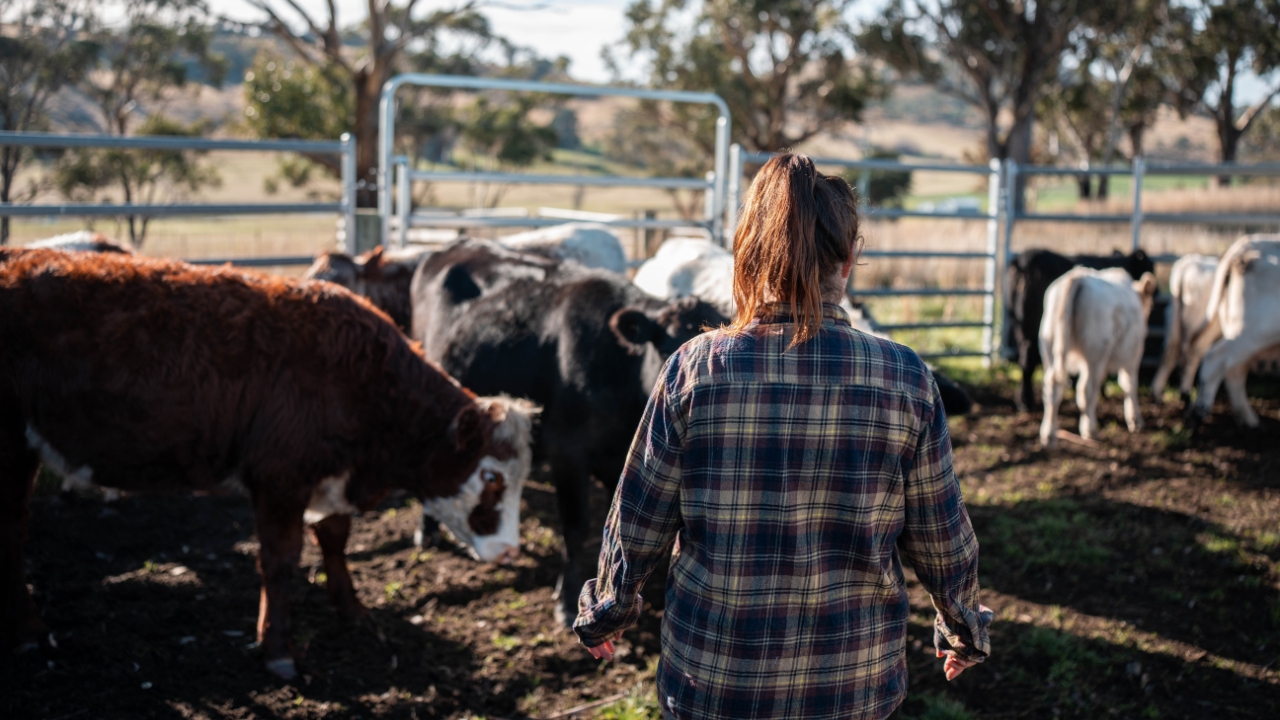
When you hear about a push for cheaper beef, you might picture grocery discounts, not ranchers rethinking whether to breed cows or sell them early. Yet the policy drumbeat is already changing behavior on the ground, because ranchers know that if prices are driven down just as their costs peak, they could be left holding expensive feed bills and cattle that no longer cover them. Some producers who had planned to expand herds are instead delaying or trimming those plans, wary that a political promise to cut prices by 2026 will arrive before the market has time to adjust.
The anxiety is visible in public reactions. In one widely shared clip, Cattle ranchers are described pushing back as pressure builds to lower beef prices, warning that the squeeze will ripple through ag logistics and freight. Their argument is simple: if you force down the price signal that is supposed to reward rebuilding, you discourage the very investment in calves, pasture and genetics that would eventually bring more supply and more stable prices. For you, that means today’s discount could translate into tomorrow’s shortage.
Imports, Argentina, and the backlash in cattle country
One way the administration is trying to square the circle is by looking abroad, floating more imports as a shortcut to cheaper beef. That has set off alarms in cattle country, where you see ranchers arguing that imported meat undercuts domestic producers who are already dealing with high feed, land and labor costs. The fear is not just about patriotism or labeling, it is about whether your burger savings come at the expense of the long term viability of the rural economies that raise the cattle.
In Missouri and Kansas, ranchers have already reacted sharply to a potential deal that President Trump is working on to import beef from Argentina, criticizing the idea of bringing in cheaper foreign product while local herds are under strain. Similar concerns are surfacing in the Midwest, where Some cattle ranchers in Iowa say they fear what could happen to their livelihoods after Pres Trump announced he wants to quadruple cattle imports. For you, the short term effect of more shipments from Argentina or other suppliers might be lower prices, but the longer term risk is that domestic ranch capacity erodes, leaving the United States more dependent on foreign supply when global markets tighten.
Volatile cattle markets and what they signal about future supply
Even before you factor in imports, the cattle market itself is flashing warning signs about future availability. Analysts describe fed cattle supplies tightening as you move into 2026, with fewer animals ready for slaughter and more volatility in prices as buyers and sellers try to guess where policy and demand will land. That kind of whipsaw trading is not just a Wall Street story, it feeds back into how ranchers decide whether to hold cattle longer, sell early, or exit the business entirely.
Reporting from Cattle market specialists notes that tightening fed supplies are driving rising volatility, even as beef demand stays relatively strong. For you, that means the same forces that pushed prices to records are still in play, but they are now colliding with political efforts to cap or reverse those increases. If ranchers interpret the volatility as a sign that policy will punish them for expanding, they may choose to stay smaller, which keeps supplies tight and makes any future shock, from drought to disease, hit your grocery bill even harder.
Packing plants under pressure and the risk of closures
Behind every steak in your cart is a chain of processing plants that turn live cattle into boxed beef, and that part of the system is also feeling the strain of the cheaper beef push. When cattle numbers fall, plants run below capacity, which raises per pound costs and makes it harder to stay profitable. If policy then leans on packers to cut prices to retailers, you end up with a margin squeeze that can push facilities to cut shifts or shut down entirely.
One major company has already signaled that more U.S. beef plants could close as it deals with ongoing losses in its beef division tied to a historically small U.S. herd, a warning detailed in coverage of more U.S. beef plants potentially going offline. For you, plant closures do not just mean fewer local jobs, they also mean longer hauls for cattle, higher transportation costs, and more vulnerability if a remaining facility is hit by a labor dispute or natural disaster. If the system loses too much processing capacity while herds are still small, any rebound in cattle numbers could run into a bottleneck that keeps retail prices elevated despite political promises.
Structural constraints that keep beef expensive
Even if you strip away politics, there are hard structural limits on how fast beef can get cheaper. Cattle take years to raise, pasture and water are finite, and feed, fuel and labor costs have all climbed. When ranchers talk about structural constraints, they are pointing to realities that cannot be fixed by a single policy announcement or a few months of lower demand, and those realities shape how quickly your grocery bill can fall without breaking the supply chain.
Analysts tracking the cost outlook say U.S. production is expected to keep declining in the near term, with Structural constraints, input costs and financial considerations likely to delay a broad based recovery in beef output. Their projections suggest that these forces could keep upward pressure on prices through 2027 and 2028, even if demand softens somewhat. For you, that means any rapid drop in retail prices driven by policy or imports is likely to be temporary unless it is paired with serious investment in herd rebuilding, infrastructure and risk management tools that make it worthwhile for ranchers to expand.
Family dinners, political fallout, and consumer expectations
You feel the beef story most directly at the dinner table, where record prices have already forced many families to swap steaks for cheaper proteins or smaller portions. That shift is not just about taste, it is about how you budget, how often you grill, and whether beef remains a weekly staple or becomes an occasional splurge. As prices climbed, the gap between what households wanted and what they could afford widened, creating fertile ground for political promises to bring costs back down.
Coverage of Why record beef prices could keep squeezing family dinners into 2026 notes that the political fallout has been intense because consumers are desperate for relief. That desperation gives the White House a strong incentive to show progress quickly, but it also raises the risk that you are promised more than the underlying cattle economics can deliver. If expectations are set around a rapid return to pre spike prices, any continued tightness in supply could fuel frustration and deepen the sense that the system is not working for either shoppers or producers.
Rancher sentiment: from Trump allies to wary skeptics
In the last election cycle, many ranchers were vocal supporters of Trump, drawn by his rhetoric on rural America and skepticism of regulation. Today, you can hear a more complicated tone, as some of those same producers say they feel caught between loyalty and survival. When a rancher calls himself “not a happy Trump supporter,” he is signaling that the push for cheaper beef has crossed from abstract policy into a direct threat to his balance sheet.
Reports on rancher sentiment describe how Dec interviews with producers highlight frustration that record Dec beef prices are being used to justify aggressive intervention rather than a measured plan to rebuild herds. In Iowa, Iowa ranchers who once cheered Pres Trump now warn that quadrupling imports could wipe out their profits. For you, that shift in tone matters because it hints at a deeper tension inside the coalition that helped elect the current administration, and it raises the question of how far the White House can push on prices before it loses a key rural base.
What this means for your plate over the next few years
Looking ahead, you should expect beef to remain a flashpoint where your grocery bill, rural livelihoods and national politics intersect. The combination of a historically small herd, volatile cattle markets, potential plant closures and rising imports points to a period where supply stays tight even as policymakers try to engineer lower prices. That mismatch is likely to show up as more frequent promotions and discounts on specific cuts, rather than a broad, lasting drop in the overall beef aisle.
For you, the practical takeaway is to plan for continued price swings and to recognize that short term bargains may be masking longer term fragility in the supply chain. As Trump and his team keep promising cheaper beef while the USDA warns about structural limits, the choices made now on imports, herd rebuilding and plant capacity will determine whether the system can deliver both affordability and resilience. If ranchers continue to pull back in response to policy pressure, the ripple effects could leave you facing fewer choices, higher baseline prices and a beef sector that is more vulnerable the next time weather, disease or geopolitics test its strength.
Like Fix It Homestead’s content? Be sure to follow us.
Here’s more from us:
- I made Joanna Gaines’s Friendsgiving casserole and here is what I would keep
- Pump Shotguns That Jam the Moment You Actually Need Them
- The First 5 Things Guests Notice About Your Living Room at Christmas
- What Caliber Works Best for Groundhogs, Armadillos, and Other Digging Pests?
- Rifles worth keeping by the back door on any rural property
*This article was developed with AI-powered tools and has been carefully reviewed by our editors.