Rifles every new homesteader thinks they need but don’t
New to land and livestock? It’s easy to get swept up in big calibers and “ranch rifle” marketing. In reality, a lot of what gets hyped to new homesteaders is more than they need, harder to shoot well, and expensive to feed.
Here are the rifles most folks think they should have—until they actually live this life awhile.
A big .300 Win. Mag or 7mm magnum as a “do it all” gun
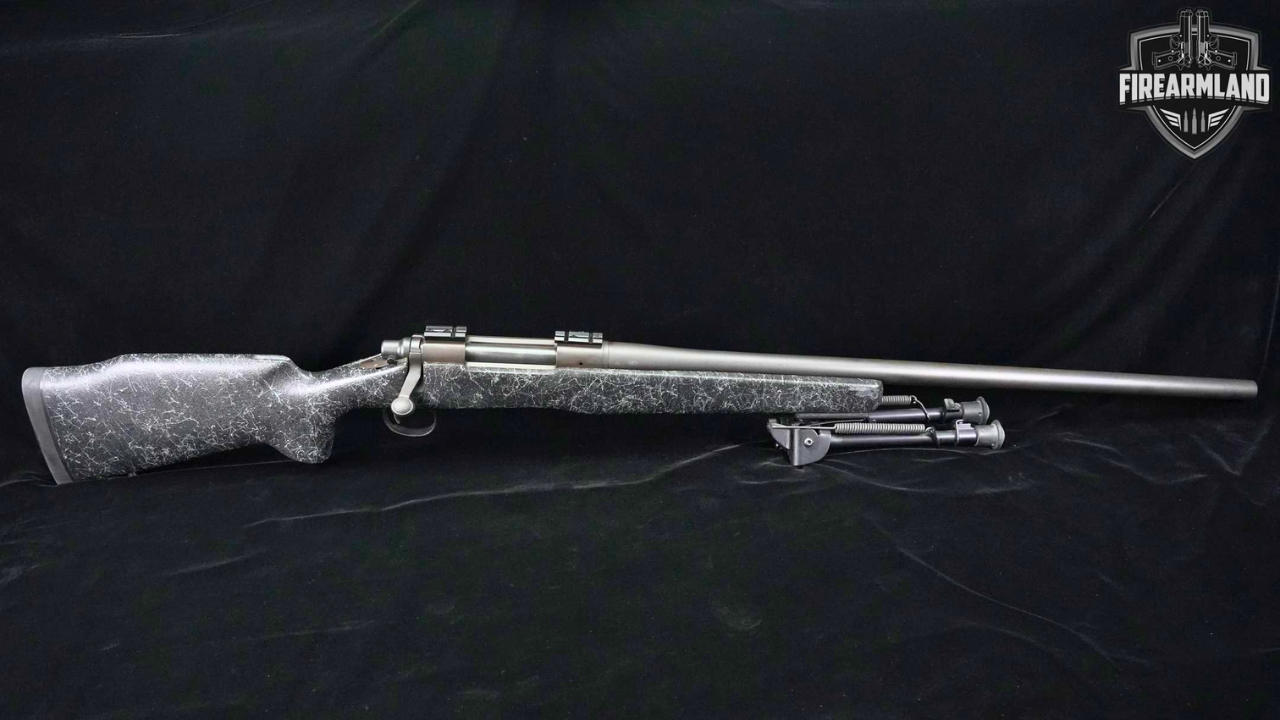
Rifles like a Remington 700 or Savage 110 in .300 Win. Mag or 7mm Rem. Mag feel like they’ll cover every situation. On a small homestead where most shots are under 200 yards at predators or occasional deer, they’re simply too much—too loud, too much recoil, too expensive to practice with.
Most people end up shooting them rarely and reaching for something milder when it’s time to actually solve a problem.
A long-range precision rig for everyday predator work
A Ruger Precision Rifle in 6.5 Creedmoor or similar “PR” type chassis rifle is designed to hit steel at very long distances. They’re heavy, long, and slow to grab and run with. On a homestead, most of your real problems are well inside 300 yards.
You don’t need a 12-pound rifle with a giant scope to hit a coyote across a pasture. A lighter .223 or .243 bolt gun is faster and far more pleasant to live with.
A lever gun in a big-bore caliber “for nostalgia”
Lever guns like the Marlin 1895 in .45-70 or big-bore short rifles look and feel classic. They’re fun and have their place, but for day-to-day predator work, you don’t need big-bore recoil or rainbow trajectories.
They’re great for specific hunts or nostalgia, but they’re not mandatory for protecting chickens or chasing off a fox.
An ultra-light mountain rifle you never actually need
Super-light rifles like a Weatherby Mark V Backcountry or carbon-barrel builds are marketed to people climbing mountains. If your “terrain” is mostly pasture, fence lines, and the back forty, shaving a pound off rifle weight is not your main problem.
You pay extra for lightness and then get more recoil and muzzle jump than you really want on quick shots around the property.
A cheap, no-name AR-15 packed with accessories
A bargain AR in 5.56 with a dozen budget accessories bolted on feels like the ultimate all-purpose rifle. But if the core rifle (barrel, bolt, gas system) is low quality, all the lights, lasers, and bipods in the world won’t fix inconsistent reliability.
You’re better off with a simpler, mid-tier AR with a good barrel, decent trigger, and a reliable mag than a “kitted out” cheap build you can’t trust.
A single-shot “survival” rifle as your main tool
Break-action singles in calibers like .223 or .22 Hornet, marketed as survival or scout rifles, are interesting backup tools. As a primary homestead rifle, the one-shot limitation becomes obvious the first time multiple coyotes show up or you need a quick second shot.
They belong as extras, not as your main line of defense.
Big old military surplus rifles “because they’re cheap”
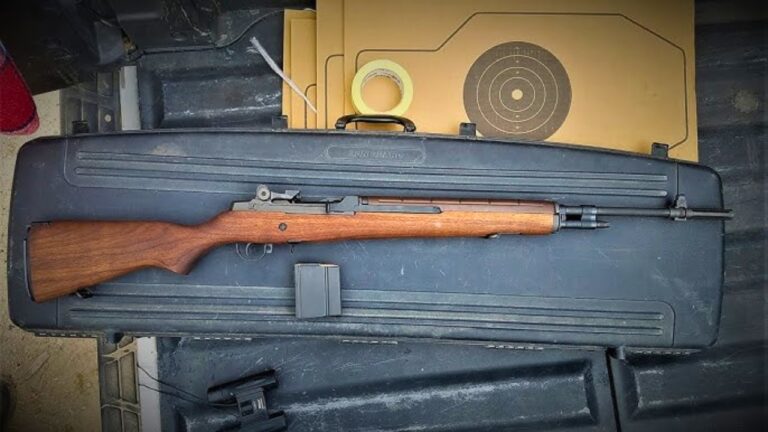
Surplus rifles in 7.62x54R, 8mm Mauser, or old .30-06 (Mosin-Nagants, Mausers, etc.) can be fun projects. But they’re often heavy, kick hard with surplus ammo, and may not be set up well for optics or modern shooting positions without work.
For the cost of making one truly practical, you could usually buy a modern .223 or .243 that’s easier to shoot well from day one.
What most homesteaders really end up using
After a few years, most people doing real work on land settle into something simple: a .223 bolt gun or AR-15 for predators, maybe a .243 or 6.5 Creedmoor for deer, and a .22 LR for small pests. They’re affordable to feed, easy to practice with, and enough gun for what actually walks the fence line.
The fancy stuff is fun, but it’s not required. The rifle you actually grab when something’s in the pasture is the one that fits your shoulder, your budget, and your land—not the one the internet says you’re supposed to own.
Like Fix It Homestead’s content? Be sure to follow us.
- Man Says He Found Out the Fence He Paid For Wasn’t Actually on His Property
- Woman Says Her Neighbor Started Taking Mulch From Her Delivery Pile Before She Could Even Spread It
- I made Joanna Gaines’s Friendsgiving casserole and here is what I would keep
- What Caliber Works Best for Groundhogs, Armadillos, and Other Digging Pests?
*This article was developed with AI-powered tools and has been carefully reviewed by our editors.