Rifles that are fine on paper and awful for real predator control
A rifle can look amazing in a spec sheet: sub-MOA guarantee, fancy stock, big scope rail. But out in the pasture—with wind, odd angles, and actual animals moving—it can be a pain. A lot of “perfect on paper” rigs are too heavy, too specialized, or too awkward for real predator work around a homestead.
These setups tend to disappoint once you leave the bench.
Heavy chassis rifles in 6.5 Creedmoor or .308
Guns like the Ruger Precision Rifle, Savage 110 Precision, or similar chassis builds in 6.5 Creedmoor/.308 are fantastic from a bipod. But at 10–12 pounds with a big scope, they’re miserable to grab off the porch and run quickly when a coyote is nosing the fence line.
You end up leaving them in the safe and reaching for a lighter .223 bolt gun instead—no matter how good those groups look online.
Long, bull-barrel varmint rigs in .22-250 or .204 Ruger
Dedicated varmint rifles like a heavy-barrel Savage 12FV in .22-250 or bull-barrel Remington 700 Varmint models are laser-accurate, but the long, heavy barrels are clumsy off the truck or over a fence.
By the time you wrestle that weight into position, the predator is often gone. On paper they’re ideal predator rifles; in real homestead use they’re more “range toy” than fast-response tool.
Magnum mountain rifles with brutal recoil
Lightweight magnum rifles like a Weatherby Mark V Backcountry in .300 Win. Mag or similar “mountain rifles” look like the ultimate all-around gun. In reality, the combination of light weight and magnum recoil leads to flinches and slower follow-up shots.
For thin-skinned predators, they’re simply more gun than you need—and recoil turns even practiced shooters into worse shots over time.
Cheap AR-15s with questionable reliability
Spec sheets for bargain AR-15s in 5.56/.223 often promise everything: free-float rails, M-LOK, optics-ready uppers. But weak gas systems, out-of-spec chambers, and cheap bolts/mags can mean failures to feed or extract right when you need a second shot.
A rifle that looks “tactical” but chokes under basic use isn’t a predator tool; it’s a toy. A mid-tier, proven AR system will serve you better than the fanciest-looking bargain build.
Rifles with oversized match scopes and turrets
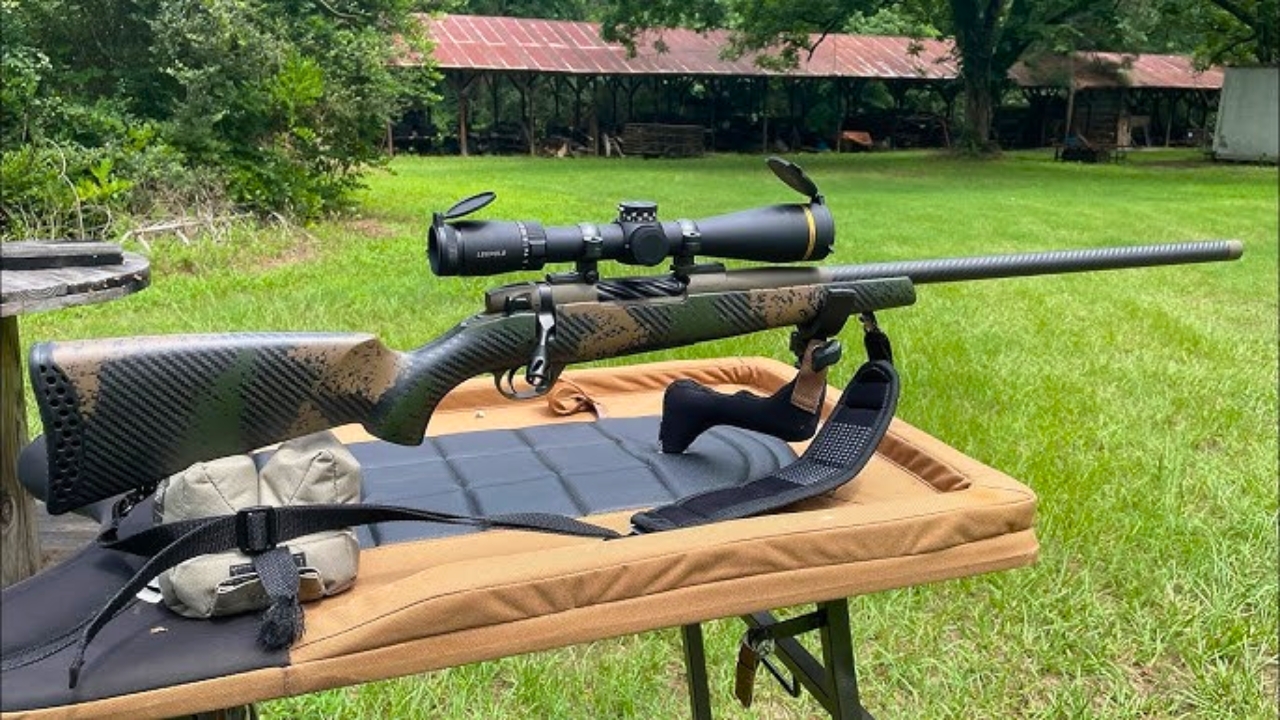
Putting a 5–25x scope with tall exposed turrets on a Tikka T3x, Ruger American, or Savage 110 might help on the range, but for real predator control you’re usually inside 200 yards and moving fast. Too much magnification makes it hard to find animals quickly, and extra knobs are just more to snag.
A simple 2–7x or 3–9x makes life easier. The “match” glass belongs on the range, not necessarily in the pasture.
Lightweight .17 HMR rigs in gusty wind
A slick little .17 HMR like the Savage 93R17 or CZ 457 is a blast on calm days and small varmints. But in real wind across open fields, that tiny bullet drifts a lot. It’s deadly accurate on paper at 100 yards; on a breezy evening, it’s easy to miss a small vital zone.
If you’re dealing with coyotes or bigger predators, stepping up to .223 or .243 gives you more margin in real weather.
Rifles with poor stock fit and awkward cheek weld
Even a good barreled action—like a Remington 700, Winchester Model 70, or Savage 110—can be hard to shoot well if the stock and scope height don’t match your face. If you’re floating your cheek off the stock to see through the scope, it’s hard to be consistent.
On paper the rifle is a “1 MOA gun.” On the homestead, it becomes a “hit or miss depending on how I mounted it” gun.
Single-shots in calibers too light for bigger predators
Light break-action rifles in .22 Hornet or .17 calibers might look accurate and fun, but when the predator is a big coyote at 125 yards—or worse, a stray dog—they can feel underpowered and leave you wishing for a follow-up shot you don’t have.
They’re fine for small varmints, but as a primary predator-control rifle, they often fall short when it matters most.
Like Fix It Homestead’s content? Be sure to follow us.
- Man Says He Found Out the Fence He Paid For Wasn’t Actually on His Property
- Woman Says Her Neighbor Started Taking Mulch From Her Delivery Pile Before She Could Even Spread It
- I made Joanna Gaines’s Friendsgiving casserole and here is what I would keep
- What Caliber Works Best for Groundhogs, Armadillos, and Other Digging Pests?
*This article was developed with AI-powered tools and has been carefully reviewed by our editors.