Rifles that make good shooters miss easy shots on the homestead
This one isn’t about talent. It’s about rifles that stack the deck against you: awkward balance, junk triggers, poor sighting systems, inconsistent accuracy, or recoil that makes you hesitate. Even good shooters miss “easy” shots when the rifle fights them—especially when the shot is quick, offhand, and taken around buildings or livestock.
Here are 15 rifles that have a habit of turning simple work into frustration.
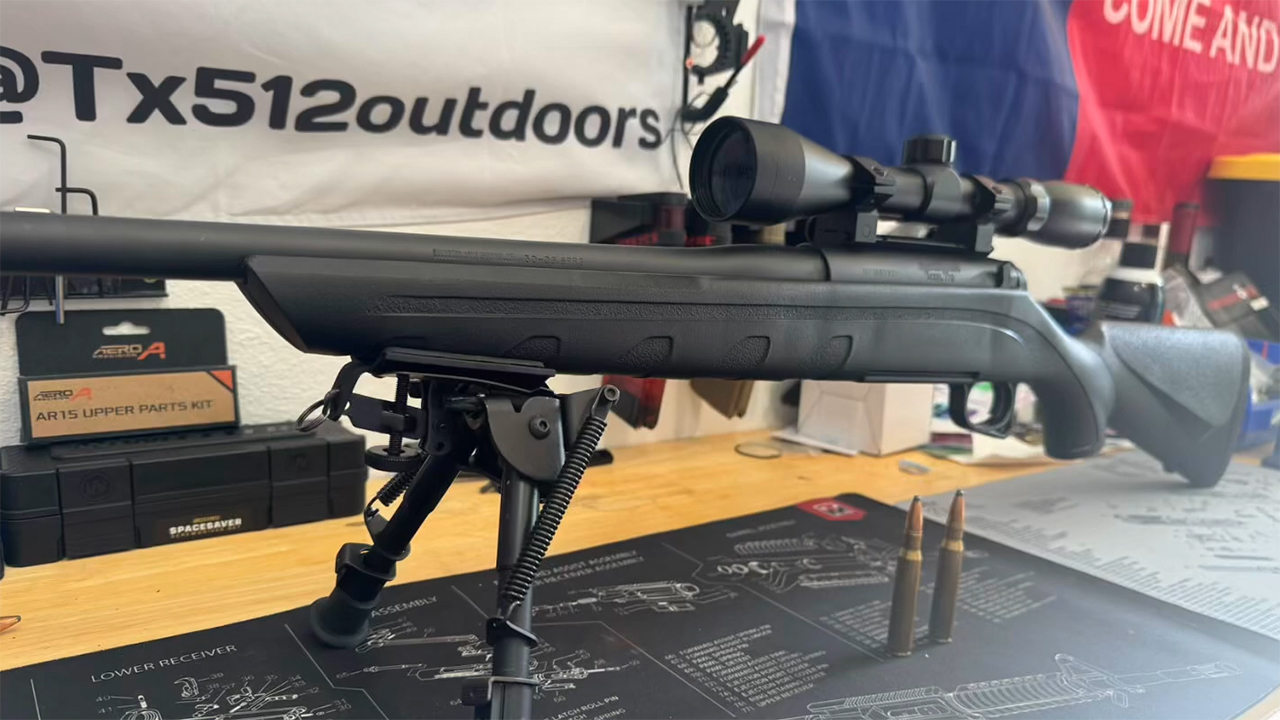
Remington 770 (scope package)
These rifles get people in trouble because they look ready to go—then the scope, mounts, and overall consistency don’t hold up when you actually rely on them. A good shooter starts chasing point-of-impact shifts and wondering why the same hold isn’t landing the same way.
Homestead shots are often quick and imperfect. A rifle that makes you second-guess your zero will make you hesitate, and hesitation is how “easy” shots get missed.
Savage Axis XP (package setups)
The Axis can shoot, but the common XP packages are where confidence goes to die. Cheap optics don’t track well, cheap mounts loosen, and lightweight stocks can be sensitive to how you rest the rifle. You can be a good shooter and still get random-looking results.
Once you stop trusting the setup, you stop shooting decisively. On a property, decisiveness matters just as much as accuracy.
Ruger American (lightweight) in .300 Win Mag
A light rifle in a hard-kicking caliber makes even good shooters tense up. The rifle doesn’t settle offhand, recoil is sharp, and your brain starts bracing before the shot breaks. That’s how you yank an “easy” shot low or wide.
It’s not that the rifle can’t kill. It’s that it encourages bad shooting habits, especially when you’re tired and shooting from awkward angles.
Mosin-Nagant 91/30
Mosin rifles are cool, but they’re not friendly. Long length, heavy trigger, crude sights, and often questionable ammo consistency make them a rough choice for quick property work. You can shoot well and still struggle to get fast, clean hits.
They also tend to be loud and slow to run compared to modern bolts. When you need a simple shot, the Mosin makes it feel like a chore.
SKS (typical surplus rifles)
An SKS can be reliable, but the sights and ergonomics aren’t built for fast, precise shots around a homestead. Many are worn, some have sloppy triggers, and the sight picture isn’t what most modern shooters prefer for quick work.
Good shooters can still hit with an SKS. The problem is it takes more effort than it should, and under stress that effort turns into misses.
Ruger Mini-14 (older models / inconsistent examples)
Some Minis shoot great. Some don’t, and plenty of older ones aren’t known for consistent accuracy. When your group opens up as the rifle heats, or it just never shoots as tight as you want, “easy” shots suddenly don’t feel easy.
A rifle doesn’t have to be a benchrest gun, but it should be predictable. Minis can be unpredictable enough to make confident shooters start doubting.
Springfield M1A (with irons or awkward optics setups)
The M1A is heavy and can be slow to mount in real positions. With irons, sight alignment under pressure isn’t always quick. With optics, the mounting setups can be clunky and change the balance. Either way, it’s not the easiest rifle to use for snap shots.
When the rifle feels like it’s fighting your mount and your sight picture, you’ll miss shots you’d make with a lighter, simpler carbine.
Ruger No. 1 (with a big scope)
The No. 1 is a classy rifle, and classy rifles often get set up in ways that aren’t practical. Add a big scope and you can end up with a balance that feels nose-heavy and slow offhand. That makes quick target acquisition harder than it should be.
It’s a great rifle for deliberate hunting. As a daily homestead tool, it’s easy to end up with a setup that looks cool but handles poorly.
Henry Big Boy (.357 or .44) with buckhorn sights
Buckhorn sights are fine if you grew up on them. For a lot of modern shooters, they slow things down. Add in the fact that many lever guns are heavier than people expect, and you’ve got a rifle that’s not as quick on target as it should be.
The misses aren’t because lever guns are bad. They’re because many are set up with sights that don’t match the shooter’s eyes and speed needs.
Marlin 1895 (.45-70) with heavy loads
This is a perfect example of recoil wrecking good shooting. Heavy .45-70 loads can make even experienced shooters get jumpy, especially if they’re shooting around structures and trying to be careful. That careful mindset plus recoil often turns into a yanked trigger.
If you want a .45-70 for real reasons, great. Just don’t pretend it’s the easiest answer for quick, precise shots on pests.
CVA Scout (single-shot) in .450 Bushmaster
Single-shots create pressure. Pressure makes people rush. Add a thumping cartridge and you’ve got a rifle that makes shooters tense up and fire too soon. Even good shooters can get sloppy when they know they only get one quick shot.
For steady hunting, it’s fine. For reactive homestead work, single-shots often make people miss shots they’d make with a repeater.
Ruger 10/22 with a cheap red dot
A 10/22 should be easy mode. Then someone throws on a bargain red dot that loses zero, has a fuzzy dot, or blooms in low light. Suddenly you’re missing close shots and blaming yourself.
If your rimfire is for real work, don’t handicap it with junk optics. Good shooters miss when the sighting system lies.
AK-pattern rifles like a WASR-10 (with irons)
AKs can run forever, but the irons aren’t everybody’s friend for precise shots on small targets. The sight picture is coarse, and many shooters aren’t practiced enough with it to make quick, clean hits on pests.
A good shooter with AR time can still miss with an AK simply because the interface is different. The rifle isn’t “bad.” It just demands reps most people don’t put in.
Ruger PC Carbine
PCCs feel handy and safe, but pistol-caliber ballistics can disappoint when you’re trying to make precise hits at distance or in wind. A shot that “should have been easy” turns into a miss because drop and drift weren’t what you expected.
They’re great for certain roles. They’re not always the best answer for property shots beyond close range.
Ultra-light hunting rifles like the Kimber Montana
Ultralight rifles are awesome to carry and often harder to shoot well offhand. They wobble more, they punish you more in bigger calibers, and they magnify every little mistake. Even very good shooters can struggle to break a clean shot quickly with a featherweight rifle.
For hiking mountains, they’re great. For quick, steady shots around a property, many folks do better with a slightly heavier, better-balanced rifle.
Like Fix It Homestead’s content? Be sure to follow us.
- Man Says He Found Out the Fence He Paid For Wasn’t Actually on His Property
- Woman Says Her Neighbor Started Taking Mulch From Her Delivery Pile Before She Could Even Spread It
- I made Joanna Gaines’s Friendsgiving casserole and here is what I would keep
- What Caliber Works Best for Groundhogs, Armadillos, and Other Digging Pests?
*This article was developed with AI-powered tools and has been carefully reviewed by our editors.