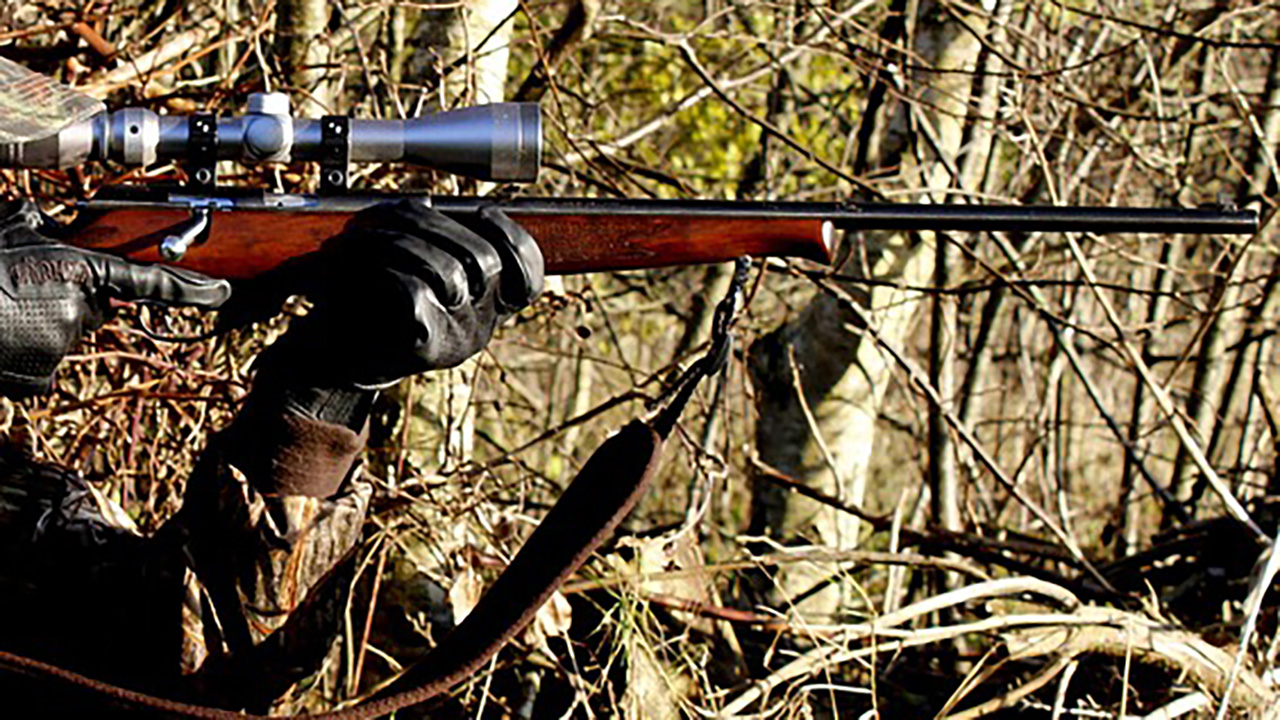
Rifles that turn coyote work into pure frustration
Coyotes don’t give you clean, calm, perfect shots. It’s quick windows, awkward angles, and bad light. A good rifle makes that feel manageable. The wrong rifle makes you feel like you forgot how to shoot, even when you didn’t.
A lot of the frustration comes from stuff people don’t think about at the store: bad triggers, bad optics setups, ammo pickiness, and rifles that don’t hold zero when they live real life on a property.
Rimfires that get pressed into jobs they can’t handle
A .22 LR is great for some chores, but it’s not a coyote rifle in the real world. You’ll end up trying to make a shot you shouldn’t take, or you’ll hit and not anchor, and that turns into a mess fast. The rifle didn’t fail—you asked it to do a job it wasn’t built for.
If coyotes are a real problem where you live, step up to something appropriate for predator control. You want clean, consistent results, not “maybe this works if everything goes perfect.”
SKS rifles with bargain scope mounts
SKS rifles can be tough, but once you start bolting on cheap scope mounts, you can end up chasing zero constantly. A loose mount turns every bump and truck ride into a new point of impact. Then you’re missing easy shots and blaming ammo or your skills.
If you run an SKS, keep it simple and use it inside its comfort zone. If you want a scoped predator rifle, start with a platform that was meant to be scoped from day one.
“Budget” ARs that are under-gassed or over-gassed out of the box
A bargain AR can be a great tool—or a constant source of stoppages if the gas system and parts quality aren’t there. Under-gassed rifles short-stroke. Over-gassed rifles beat themselves up and run harsh, especially when dirty. Either one can turn a quick follow-up shot into an annoying problem.
If your AR is your predator rifle, it has to run when it’s cold, dusty, and you’re shooting from weird positions. Test it, feed it good mags, and don’t assume “new” means “reliable.”
Ultralight hunting rifles with whippy barrels
Some super-light rifles shoot fine for a cold first shot, then start walking groups as the barrel heats. That’s not a big deal if you shoot one round a season. It’s a big deal when you’re calling predators and trying to make consistent hits.
A slightly heavier barrel and a stable stock make a rifle easier to shoot well in real life. On land, you’ll carry it plenty, but you’ll also shoot it more than the average deer hunter. Build for that.
Heavy varmint rigs that handle like a fence post
A heavy, long-barreled varmint rifle can be a tack driver—on a bench. But in the yard, around pens, or on a quick move to a better angle, they can feel like too much rifle. By the time you get settled, the animal is gone.
If you mostly shoot from a fixed spot, a heavy rig can make sense. If you move around the property, a handier rifle you can mount fast will get you more real-world success.
Cheap scopes that won’t track or hold zero
This is a massive one. You can bolt a bargain scope on a decent rifle and end up convinced the rifle is junk. The scope won’t return to zero, turrets feel like mush, and impacts wander after bumps. Coyotes don’t wait while you diagnose your optic.
If you’re serious about predator control, spend your money where it matters: good glass, solid rings, and a mount that stays put. A plain rifle with a dependable optic beats a fancy rifle with a shaky scope every time.
Triggers that feel like dragging a cinder block
A heavy, gritty trigger makes you yank shots, especially under pressure. On a calm range day you can “work through it.” In real life, you’re in a hurry, your heart rate is up, and that trigger becomes a miss machine.
You don’t need a match trigger for a property rifle, but you do need something consistent. A clean break helps you call your shot and make hits when the window is small.
Ammo-picky rifles that only like one load
Some rifles are fussy. They’ll shoot one specific load well and scatter everything else. That’s irritating on the range, and it’s worse when ammo availability changes and you can’t find the magic box anymore.
For a working rifle, consistency matters. Find a setup that shoots multiple reasonable options well enough, then buy a stash. Predator problems don’t show up on a schedule.
Over-scoped rifles with too much magnification
Big magnification sounds nice until you’re trying to find an animal fast at night or in thick cover. High power makes your field of view tiny, and now you’re hunting for the target in your scope instead of taking the shot.
Keep predator optics practical. You want quick acquisition, a forgiving eyebox, and enough magnification to place the shot—without turning your scope into a tunnel.
Like Fix It Homestead’s content? Be sure to follow us.
- Man Says He Found Out the Fence He Paid For Wasn’t Actually on His Property
- Woman Says Her Neighbor Started Taking Mulch From Her Delivery Pile Before She Could Even Spread It
- I made Joanna Gaines’s Friendsgiving casserole and here is what I would keep
- What Caliber Works Best for Groundhogs, Armadillos, and Other Digging Pests?
*This article was developed with AI-powered tools and has been carefully reviewed by our editors.