Shotguns that kick so hard you start flinching on birds, too
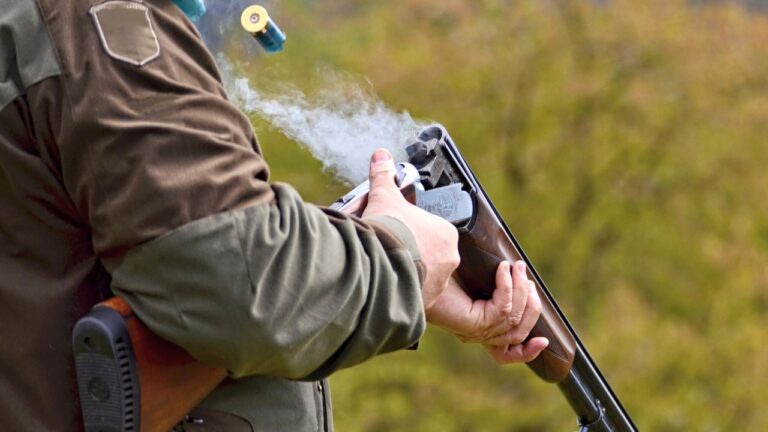
A hard-kicking shotgun doesn’t just leave you sore. It teaches you bad habits fast—cheek lift, rushed mount, jerking the shot. On a property, that turns into misses and sloppy follow-ups, especially when you’re shooting in a coat or from an awkward angle.
These are the models that tend to create that problem for a lot of folks, mostly because of weight, stock setup, chambering, and how people actually load them.
Mossberg 500 Cruiser (pistol-grip-only)
This is one of those “looks tough in the store” guns that’s miserable once you start shooting real shells. With no stock to shoulder, recoil transfers into your wrists and forearms, and control goes out the window fast. That’s where flinch starts.
It also makes aiming harder than it needs to be, so you end up overcorrecting and getting jumpy on the trigger. Most people who buy one eventually wish they’d just bought a standard stocked 500.
Remington 870 Tac-14
Same basic story as other short, stockless setups: it’s compact, but recoil feels sharp and chaotic with serious loads. It’s not that it can’t work—it’s that it’s a rough way to learn or practice, and practice is what makes a shotgun useful.
If you aren’t running it constantly, it’s easy to get “surprised” by the recoil every time you pick it up. That surprise becomes flinch, and it shows up even when you go back to bird guns.
Mossberg 590 Shockwave
The Shockwave is popular for a reason, but it’s still a birds-to-buckshot flinch factory if you treat it like a normal shotgun. That strap helps, but it doesn’t replace a stock, and full-power loads are still going to smack you.
The bigger issue is how inconsistent the mount can be. One shot feels manageable, the next one feels like it jumped sideways, and your brain starts bracing before you even press the trigger.
Benelli Nova Tactical (18.5″)
The Nova is tough, reliable, and simple—great traits for a working property. But in a short tactical configuration with heavy loads, it can feel snappy, especially for smaller shooters or anyone who doesn’t mount it perfectly.
That stiff, solid feel also means you notice recoil more than you do on softer gas guns. If you’re running buck and slugs a lot, you’ll feel it. If you’re already prone to flinch, it can make it worse.
Winchester SXP Defender
The SXP is fast-cycling and handy, but lighter defensive setups with 12 gauge recoil can get unpleasant quick, especially if the stock fit isn’t right for you. People tend to buy these for “quick work,” then feed them hot loads and wonder why they start dreading practice.
Once you dread practice, the gun stops being an asset. You can absolutely run one well—just know it’s not a soft shooter by default.
Mossberg 835 Ulti-Mag
3.5-inch chamber guns are a big reason flinches get started. The 835 has put a lot of birds in the freezer, but when people start shooting heavy 3.5-inch loads like they’re normal, recoil gets rude in a hurry.
It’s not that the gun is “bad.” It’s that the temptation is always there to overdo it, and overdoing it with a 3.5-inch 12 gauge trains you to brace for impact.
Benelli Super Black Eagle 3
Inertia guns can be awesome, but when you pair an SBE3 with 3.5-inch shells, it can feel sharp compared to a heavier gas gun. A lot of guys buy it as a do-everything shotgun and then run the heaviest stuff they can find.
That’s how you end up blinking on the shot and lifting your head. If you keep the loads sensible, it’s fine. If you don’t, it’ll teach you bad habits fast.
Stoeger P3000 (7+1 or defense setups)
The P3000 is a budget workhorse pump, but in lighter configurations it can thump you, and the recoil pad/stock geometry isn’t always forgiving. If you’re shooting a bunch in one session—especially buck or slugs—you’ll feel it build.
When recoil stacks up, people start rushing the mount and yanking shots. That’s the start of flinch, and it sticks around longer than most folks expect.
H&R/NEF Pardner Single Shot (12 gauge)
Single-shots are simple and handy… and they can be brutal. With a light gun and no action mass soaking up recoil, heavy loads feel like they hit harder than they “should.” A lot of flinches come from getting hammered by one of these during sight-in or casual shooting.
They also punish bad form immediately, so if someone is new or rusty, it’s a rough platform to build confidence on.
Remington 870 Super Magnum (3.5″)
The Super Magnum versions were built to handle heavy shells, and they do—but the recoil with 3.5-inch loads is still no joke. Plenty of people buy one thinking they’ll “grow into it,” then spend a season getting beat up.
If your shoulder starts dreading the gun, your shooting gets worse even with lighter loads. That’s why a lot of folks end up happier with a standard 2 3/4″–3″ gun they actually enjoy shooting.
Like Fix It Homestead’s content? Be sure to follow us.
- I made Joanna Gaines’s Friendsgiving casserole and here is what I would keep
- Pump Shotguns That Jam the Moment You Actually Need Them
- The First 5 Things Guests Notice About Your Living Room at Christmas
- What Caliber Works Best for Groundhogs, Armadillos, and Other Digging Pests?
- Rifles worth keeping by the back door on any rural property
*This article was developed with AI-powered tools and has been carefully reviewed by our editors.