Shotguns That Punish Your Shoulder More Than the Critters
If you dread pulling the trigger, you’re not going to practice. And if you don’t practice, you’re not going to shoot well when something is actually after your birds or digging in the trash. A lot of “hard-kicking” shotguns aren’t inherently evil—they’re just mismatched to the person, the loads, and the job.
The goal on a homestead is a shotgun you want to grab, not one you save for “emergencies only” because it leaves you sore for a day.
Lightweight 12-gauges with heavy 3″ loads
A very light 12-gauge might sound great on paper—easy to carry, compact, “does it all.” Then someone stuffs it with heavy 3″ shells and wonders why their shoulder hates them. Less gun weight means more felt recoil for every shot.
For barnyard distances and pest control, you rarely need those heavy loads. Dropping back to 2¾” shells in a sensible payload instantly makes the gun more pleasant without giving up anything meaningful at the ranges you’re shooting.
Fixed stocks that don’t fit your build
Length of pull and stock shape matter more than most people realize. A shotgun that’s too long, too short, or wrong at the comb will smack your face, bruise your shoulder, and generally feel harsher than it has to.
On the flip side, a stock that actually fits your arm length and cheek height spreads recoil better and makes it easier to mount the gun consistently. If you’re getting beat up, the issue might not be the gauge—it might be the way the gun meets your body.
Pump guns run from awkward positions
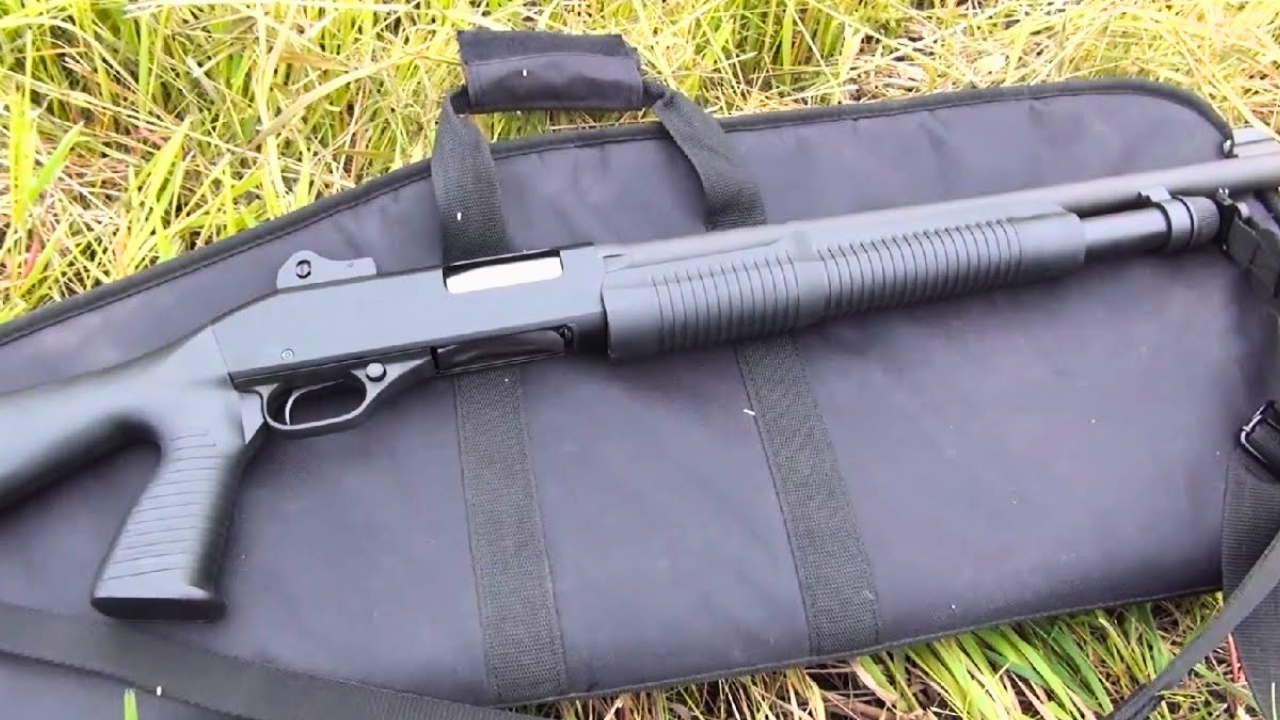
Pump shotguns are solid tools, but cycling them from weird angles—half around a post, leaning out a door—can lead to short-strokes and awkward recoil. When the action doesn’t cycle cleanly, everything feels more violent and less controlled.
Practicing realistic positions and making sure you can run the action smoothly without overreaching goes a long way toward making a pump feel like a partner, not a punishment. If the forend requires you to stretch, it’s going to feel rougher in use.
Single-shots with no recoil pad and full-power shells
The classic single-shot behind the door has its place, but a bare plastic or hard wood buttplate and full-power hunting loads are a rough combination. There’s no extra weight or gas system to soak up recoil, so your shoulder takes the full hit.
Adding a real recoil pad and choosing lighter loads can transform these from “ouch guns” to simple, usable tools. Left alone, though, they’re often the ones people warn kids about—and reach for only when they feel like they have to.
Guns with poor recoil pads or slick, narrow butts
Some modern shotguns come with very basic pads that are more cosmetic than functional. Others have buttstocks that are narrow and slippery, so they concentrate force into a smaller area and slide around under recoil.
Upgrading to a better pad and making sure you mount the gun consistently in the same pocket of your shoulder helps spread out the force. A little bit of grip and cushion can change how a shotgun feels after three or four shots in a row.
Over-bored bores and porting that don’t match the job
Features like over-boring and porting are sometimes sold as cure-alls for recoil. In reality, they’re tools with tradeoffs. On some guns and loads, they help a bit; on others, they don’t change much about what your shoulder feels.
If you picked a shotgun solely because the marketing promised “less recoil” without thinking about fit, weight, and load, you might be disappointed. The basics—stock fit and sensible shells—usually matter more.
Using the wrong stance and mount under stress
Even a reasonable shotgun can feel punishing if you square up wrong and mount it poorly, especially when you’re half asleep and rushing outside. Leaning back, holding it off your shoulder, or planting your feet awkwardly all exaggerate recoil.
Building a simple habit—lean slightly forward, pull the gun firmly into your shoulder pocket, cheek on the stock—makes every shot more manageable. It’s not about looking tactical; it’s about letting your body help, instead of fighting the gun.
Like Fix It Homestead’s content? Be sure to follow us.
- I made Joanna Gaines’s Friendsgiving casserole and here is what I would keep
- Pump Shotguns That Jam the Moment You Actually Need Them
- The First 5 Things Guests Notice About Your Living Room at Christmas
- What Caliber Works Best for Groundhogs, Armadillos, and Other Digging Pests?
- Rifles worth keeping by the back door on any rural property
*This article was developed with AI-powered tools and has been carefully reviewed by our editors.