Shotguns that punish your shoulder more than the critters
A homestead shotgun should be something you’ll practice with and something you can run under stress. The problem is a lot of folks buy the lightest, shortest, hardest-kicking setup they can find—then they flinch, hate training, and miss more than they should. These shotguns tend to be brutal in real use, especially with heavy loads or poor stock geometry.
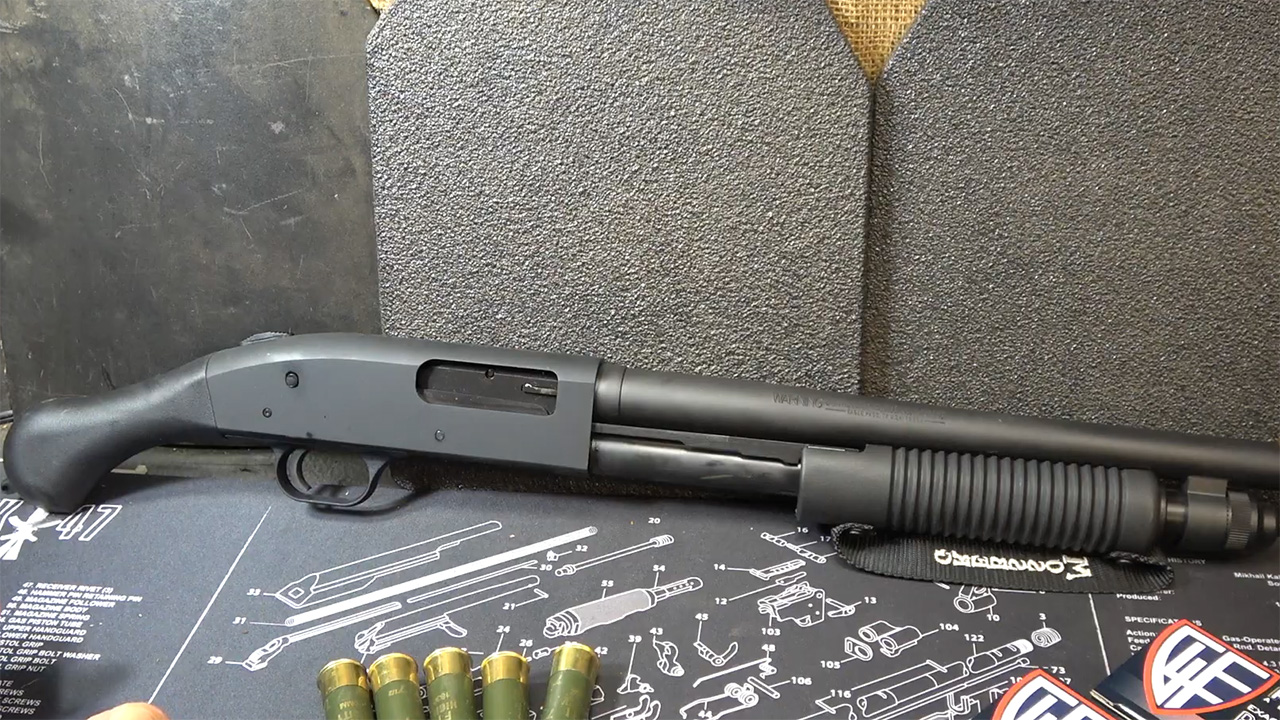
Mossberg 590 Shockwave
This one earns its reputation. No stock means recoil goes into your hands and wrists, and control becomes a fight. It looks tough, but it’s not friendly—and “not friendly” becomes “not accurate” fast.
If you’re defending property or dealing with pests, pain isn’t a virtue. Most people shoot a stocked shotgun better, faster, and safer.
Remington Tac-14
Same category as the Shockwave. It’s compact and loud and punishing, especially with real defensive buckshot. After a few magazines of practice, most shooters start dreading it—and a gun you dread doesn’t get trained with.
It’s a novelty for a lot of buyers. Novelty doesn’t protect chickens at 2 a.m.
Mossberg 835 Ulti-Mag
3.5″ shells out of a pump can be rough, and the 835 tempts people into using them. Heavy recoil leads to flinching, rushed shots, and sloppy follow-through. You can absolutely run an 835 well—if you train.
Most property work doesn’t need 3.5″ anything. When a gun punishes you, it tends to turn into a once-a-year deer gun instead of a practical homestead tool.
Remington 870 Super Mag
The Super Mag is another “capable” shotgun that becomes miserable if you lean into its maximum. Heavy loads + pump action + real-world positions equals sore shoulder and bad habits.
A standard 870 with normal 2¾” loads is a different experience. The Super Mag is fine if you actually need it—most homesteaders don’t.
Stoeger P3500
Light-ish, budget 3.5″ pump with stiff recoil is a combo that makes a lot of people hate shooting. If you’re running turkey loads, it’s going to remind you who’s boss.
If you want a shotgun you’ll practice with, this style of gun often does the opposite. People buy it, shoot it a few times, then avoid it.
Benelli Nova (with heavy field loads)
The Nova is tough and reliable, but it can hit hard with heavier loads—especially if the fit isn’t right for you. A slick, durable shotgun doesn’t automatically mean comfortable.
A lot of folks love their Nova. A lot of folks also learn that “runs forever” and “pleasant to train with” are separate categories.
Benelli SuperNova
Same deal as the Nova, especially when people run heavy shells. The SuperNova can be a beast with 3.5″ loads, and many buyers try those loads because the gun can handle them.
For homestead use, most folks would be better off with standard loads and a setup that encourages practice, not avoidance.
Winchester SXP (lightweight field trims)
The SXP can feel quick in the hands, but lighter guns tend to punish more with stout loads. When a shotgun is light and the stock design is basic, recoil feels sharper, and shooters often start anticipating it.
That anticipation turns into misses, especially on moving pests or quick shots in bad light.
Stevens 320
Budget pumps often have harder recoil feel because of weight, pad quality, and stock geometry. The 320 can work, but many people run it with bargain recoil pads and heavy loads and wonder why they hate it.
If it hurts, you won’t practice. If you don’t practice, it won’t help you when a real problem shows up.
H&R Pardner Pump
The Pardner Pump has earned respect as a budget beater, but it can be stiff and it can kick with heavier loads. A lot of these end up with basic recoil pads and get treated rough—so the comfort goes down over time.
If you want a long-term working shotgun, comfort matters more than most guys admit.
NEF / H&R single-shot 12 gauge
Single-shot 12s can kick like a mule because they’re often light with simple stocks. They’ll do the job, but they’ll also teach flinching if you’re not careful.
They also create “one shot pressure,” which makes people tense up. Tense up plus heavy recoil equals bad shooting.
Stevens 555 (12 gauge)
Light over/unders are notorious for recoil. They carry nice. They shoot hard. A 12 gauge O/U that’s light and slim can punish you fast, especially with field loads.
If you’re buying a work shotgun, you don’t need the lightest thing on the rack. You need something you can shoot a lot without developing a flinch.
CZ Drake (12 gauge)
Great value O/U, but like many O/Us, recoil feels sharper than a gas semi-auto. Some shooters get along with it fine. Others realize they don’t enjoy putting volume through it.
For “occasional hunt” it’s great. For frequent pest work and practice, many people are happier with a semi-auto.
Mossberg 500 (light field trims)
The 500 is a classic, but lighter trims with basic pads can feel snappy, especially when people run buckshot or heavier hunting loads. It’s not a knock—just reality: lighter pumps kick more.
Set it up right and it’s a fantastic working gun. Leave it stock and feed it heavy loads, and it can start teaching you bad habits.
Remington 870 Express (older, hard-pad examples)
A lot of older Express guns have stiff pads or worn pads, and recoil adds up. The 870 itself is solid. The comfort often isn’t—especially when the stock fit isn’t right.
A simple pad upgrade and proper load selection can change the entire experience. Most owners don’t do it, and they blame the gun.
Ithaca Model 37 (with heavy loads)
The Model 37 is slick and classic, but older guns with traditional stocks can be punishing with heavy loads. Bottom eject is great. Recoil physics still applies.
If it fits you, it’s a joy. If it doesn’t, it’s one of those shotguns you respect more than you enjoy shooting hard.
Like Fix It Homestead’s content? Be sure to follow us.
- I made Joanna Gaines’s Friendsgiving casserole and here is what I would keep
- Pump Shotguns That Jam the Moment You Actually Need Them
- The First 5 Things Guests Notice About Your Living Room at Christmas
- What Caliber Works Best for Groundhogs, Armadillos, and Other Digging Pests?
- Rifles worth keeping by the back door on any rural property
*This article was developed with AI-powered tools and has been carefully reviewed by our editors.