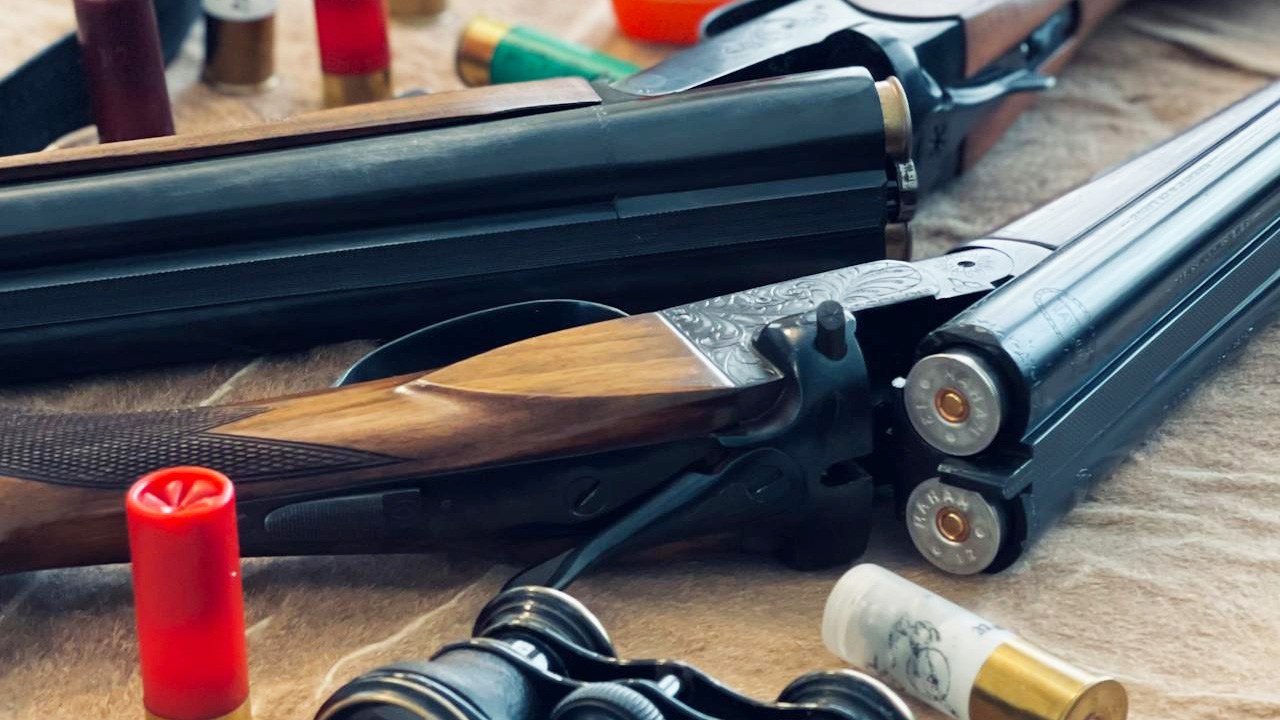
Shotguns that will not run the shells you actually keep stocked
On a working place, your “by-the-door” shotgun ends up eating whatever you’ve got on hand. A couple boxes of #6 you bought for squirrels, a random sleeve of low-brass dove loads, some old buckshot, maybe a few oddball shells you forgot were in the cabinet. That’s real life.
The problem is a lot of shotguns are picky. They’ll run great with the exact load they like… and get weird the minute you feed them what you actually keep stocked.
Semi-autos that won’t cycle cheap, low-brass birdshot
This is the classic issue. You buy a semi-auto, take it out with bargain birdshot, and it short-strokes every few rounds. Weak ejection, failure to feed, bolt not locking back—the whole list. Then you switch to hotter loads and it “magically” runs.
If your property shotgun has to work with common light loads, you need to test it with the exact shells you plan to store. If it needs full-power ammo to behave, you’ll have to either commit to that ammo or switch guns.
Gas guns that run great clean, then get picky fast
Gas-operated shotguns can be smooth and soft shooting, but they can also start acting up once carbon and crud build up. If it starts sluggish, it may fail to cycle lighter loads first—then eventually gets unreliable across the board.
If you’re not the type to clean often, choose a shotgun known for running longer between cleanings. A property gun lives around dust, hay, feed, and humidity. Plan for that.
Inertia guns that need a firm shoulder to run right
Inertia systems can be very reliable, but they’re not immune to real-life shooting positions. If you’re leaning around a post, shooting one-handed while holding a flashlight, or half-mounted in a heavy coat, some inertia guns can get inconsistent.
On the range, you’re squared up and mounted correctly. In the yard at 2 a.m., you might not be. Practice real positions and see if your gun still cycles. If it doesn’t, that’s valuable information.
Shotguns that hate mixed shell lengths in the same tube
Some shotguns tolerate mixed 2 3/4″ and 3″ loads better than others. The transition can create feeding hiccups, especially if the gun is already dirty or the shells have different crimps and hull textures.
If your “grab gun” gets loaded with whatever is around, keep it consistent. Pick one length and stick with it. Mixing stuff because it “fits” is how you find out your gun has preferences.
Guns that choke on steel-based promo shells
Those cheap promo loads with steel bases can run differently than brass-based shells, especially in tighter or rougher chambers. You’ll see sticky extraction, slow cycling, or that ugly moment where you fire and the hull doesn’t want to come out.
If you notice that pattern, don’t ignore it. Try a different brand, different base material, or get the chamber checked. A shotgun that’s picky about common shells is a liability on a working property.
Models that don’t like odd crimps or “weird” hulls
Rolled crimps, certain buckshot hulls, shells that are a hair longer than advertised, or rough hull textures can hang up in feeding or extraction on some guns. It’s not always a huge defect—it’s tolerance stacking and real-world ammo variation.
The fix is boring: test the exact loads you plan to rely on and keep a note of what runs. If one brand gives trouble, don’t force it to be your “door” ammo.
Pumps that “work” but only if you run them like you mean it
A pump gun isn’t picky in the same way a semi-auto is, but some people load it up with a mixed bag of shells and then short-stroke it under stress. Now it’s half-fed, you’ve got a shell on the lifter, and the whole situation gets clumsy fast.
If you’re keeping a pump for property use, practice cycling it hard and clean. A pump rewards decisive movement. Soft, hesitant cycling causes most pump problems.
Shotguns that don’t play nice with minishells
Minishells sound great on paper—less recoil, more capacity—but many shotguns won’t feed them reliably without an adapter, and even then it’s not always perfect. The last thing you want is a novelty shell creating a jam when you’re trying to solve a real animal problem.
If minishells are part of your plan, test them hard. If they’re not 100%, keep them as range fun and stick to standard shells for the property.
Aftermarket followers and mag tubes that create new problems
People love to “upgrade” shotguns with followers, extended tubes, and spring changes. Sometimes it’s fine. Sometimes the follower binds, the spring is wrong, or the tube extension isn’t perfectly aligned—now you’ve got feeding issues you never had before.
For a homestead gun, keep it simple unless the upgrade is proven and tested. Reliability beats extra capacity when the work is close and fast.
Old, questionable shells that look fine until they don’t
A lot of folks keep shells for years in a humid closet, truck door pocket, or barn cabinet. They can swell slightly, get corroded bases, or just degrade enough to cause sticky extraction and weak performance.
Rotate your stored ammo. If the shells look rough, feel rough, or have corrosion on the base, don’t make them your “problem-solving” ammo. Shoot them up at the range and restock.
Like Fix It Homestead’s content? Be sure to follow us.
- Man Says He Found Out the Fence He Paid For Wasn’t Actually on His Property
- Woman Says Her Neighbor Started Taking Mulch From Her Delivery Pile Before She Could Even Spread It
- I made Joanna Gaines’s Friendsgiving casserole and here is what I would keep
- What Caliber Works Best for Groundhogs, Armadillos, and Other Digging Pests?
*This article was developed with AI-powered tools and has been carefully reviewed by our editors.