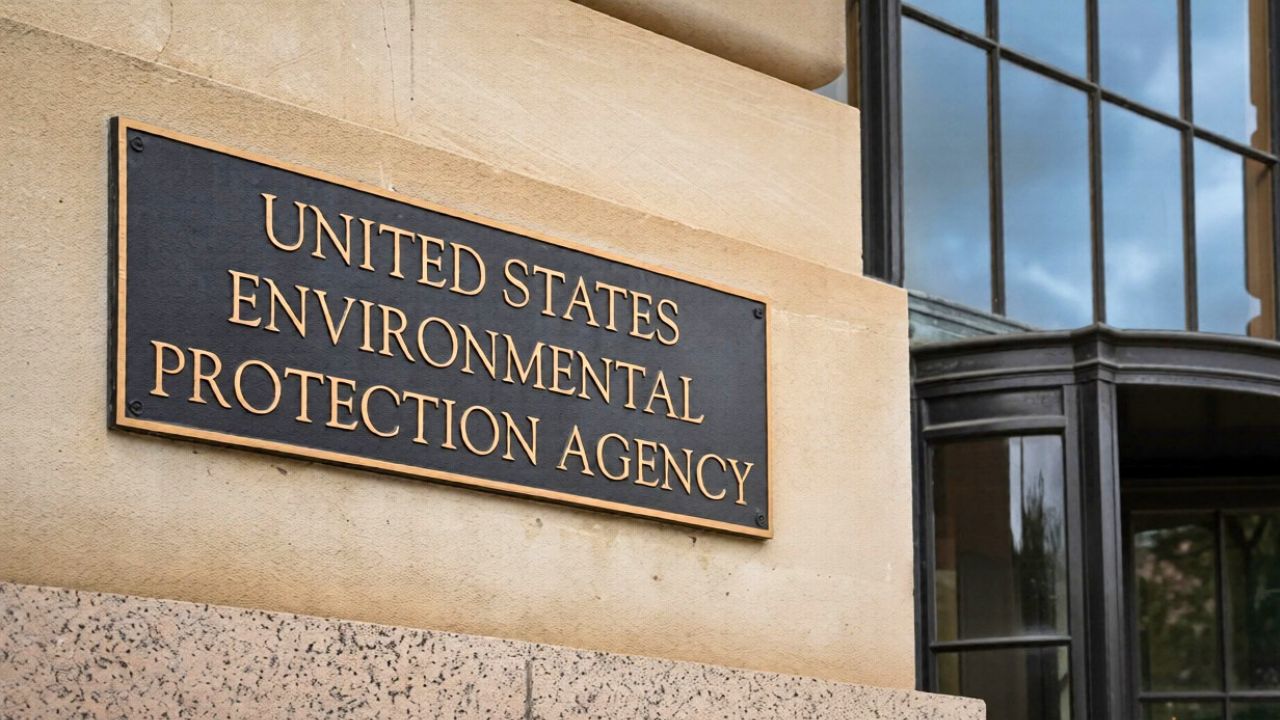
“Single largest deregulatory action in U.S. history” — EPA revokes the 2009 climate finding and sets off a legal storm
WASHINGTON — The Environmental Protection Agency has revoked its 2009 “endangerment finding,” the scientific determination that greenhouse gases such as carbon dioxide pose a danger to public health and welfare — a cornerstone legal and scientific foundation for federal climate regulation for more than a decade. President Donald Trump and EPA Administrator Lee Zeldin announced the move Thursday, describing it as the “single largest deregulatory action in U.S. history,” and said it would roll back federal greenhouse-gas emissions standards for vehicles and engines covering model years 2012 through 2027 and beyond.
The endangerment finding has functioned as a linchpin for U.S. climate policy since the Obama administration, tying greenhouse-gas controls to the Clean Air Act after a 2007 U.S. Supreme Court decision found the EPA has authority to regulate greenhouse gases as air pollutants. With the finding rescinded, environmental advocates and Democratic officials say the federal government has weakened its core legal basis for curbing emissions from cars and trucks — among the nation’s largest sources of climate-warming pollution — and potentially from other major sources as well.
In its announcement, the EPA said the action would save taxpayers more than $1.3 trillion and lower vehicle costs, a claim echoed by the White House in a separate statement defending the rollback as regulatory relief. Critics quickly challenged the premise and predicted a wave of litigation, arguing the endangerment finding was supported by extensive scientific evidence and that reversing it would undercut protections tied to health and safety.
The decision also triggered fresh scrutiny of the messaging around the rollback. In a fact-check published Friday, The Associated Press outlined multiple false claims made by Trump and Zeldin in the run-up to the move, including statements about the legal basis of the endangerment finding and the existence of “vehicle mandates.” The AP noted that the finding was grounded in Supreme Court precedent and decades of climate science, while federal vehicle standards have been structured around emissions limits rather than a direct mandate for electric vehicles.
Legal experts said challenges are likely to land quickly in federal court, with states and environmental groups expected to argue that the EPA acted arbitrarily and ignored scientific evidence. A Reuters legal analysis published earlier this week described the repeal as opening a “new front” in climate litigation, as opponents prepare to argue the agency cannot simply discard a major scientific determination without a robust justification.
Supporters of the rollback, including fossil fuel interests and some Republican lawmakers, framed the move as a correction to what they describe as regulatory overreach. Opponents warned the shift would have consequences beyond climate policy, including public health risks associated with heat extremes and other climate-linked hazards. Nature, in a report on the decision, said the reversal means that for the first time in 17 years the EPA will no longer treat greenhouse gases as a threat to public health and welfare under that framework.