Space heaters and old wiring don’t mix, the warning sign your outlet is telling you
Space heaters promise quick comfort on cold days, but when you plug one into tired wiring, the risk shifts from cozy to combustible. Your outlets often spot the danger first, quietly signaling that the system behind the wall is already at its limit long before a breaker trips or a cord melts.
Understanding what those outlets are trying to tell you, and how space heaters strain older circuits, gives you a real chance to prevent an electrical fire instead of reacting to one. With a few specific warning signs and some simple changes in how you plug in, you can stay warm without gambling on wiring that may already be past its safe capacity.
Why space heaters push old wiring over the edge
Most portable units in North America are built to deliver as much heat as a standard household circuit can legally support, which is why a typical space heater is rated around 1,500 watts. That load is not a gentle background draw, it is a near-maximum demand that runs continuously while the heater is on, and users in Space discussions point out that this is exactly why a single heater can overwhelm a marginal circuit. When you add in other devices on the same line, from a television to a hair dryer, you are asking aging conductors and connections to carry more current than they were ever designed to handle.
That strain is especially dangerous in homes with Outdated wiring, where insulation can be brittle and connections already loose. It is easy to dismiss an older system that still “works,” but once you push it with a high draw appliance, the wiring can be past its safe capacity even if nothing looks wrong at the surface. Electricians warn that Sometimes the only early clues are lights dimming or flickering when a heater kicks on, or breakers that trip more often, both of which signal a system edging toward fire and sudden system failure rather than a harmless nuisance.
The outlet warning signs you cannot ignore
Your outlets are the front line between that high-wattage heater and the hidden wiring, and they tend to complain before the rest of the system fails. Warm or discolored outlets and switches are serious warning signs that something is wrong, and guidance on Signs Your Home explains that this kind of heat can point to failing insulation inside the walls. If you feel a plate that is hot to the touch after running a heater, or you see brown smudges or melting around the slots, you are not just dealing with cosmetic damage, you are seeing evidence that the connection is arcing or overloaded.
Other red flags are more subtle but just as serious. A receptacle that feels Loose when you plug in, or one where the plug sags or falls out, suggests that the internal contacts have worn out over time. That slack fit increases resistance, which in turn creates heat every time a high draw device runs. Electricians also flag Damaged faceplates, cracks, buzzing sounds, or warmth as signs that an outlet needs to be replaced, ideally with grounded or GFCI outlets in the right locations. When you pair those symptoms with a space heater, you are effectively pointing a blowtorch at a weak link.
How outdated wiring turns a small heater into a big hazard
Even if every outlet looks fine, the wiring behind your walls may be telling a different story. Common Warning Signs of Outdated Electrical Wiring include Common Warning Signs of Outdated Electrical Wiring such as Frequent Circuit Breaker Trips, especially when you run multiple appliances at once. If your breakers trip more than once a month, or your lights flicker when you plug in a heater, guidance on inspections notes that your system was likely never built to handle modern electrical demands, and a space heater simply exposes that mismatch.
Sound and smell are just as revealing as tripping breakers. Advice on What to listen for highlights that That Noise, a Buzzing or crackling from outlets, is not normal household ambience but a sign of arcing or loose connections. Another warning from Buzzing, crackling, or sizzling noises coming from outlets, switches, or your electrical panel is that these sounds signal trouble that needs to be addressed before they escalate. When you add a heater’s constant draw to wiring that already hums or smells faintly of burning, you are stacking risk on top of risk.
Why the way you plug in matters as much as the heater itself
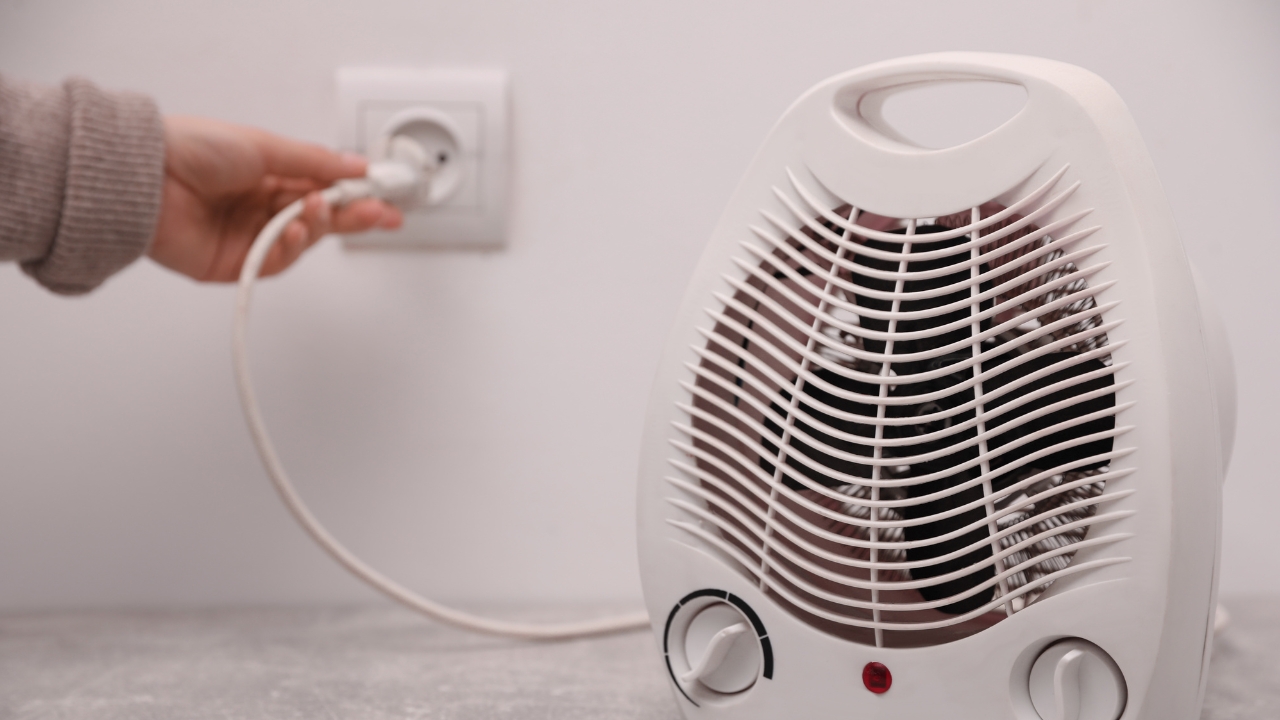
Even a brand new heater can be dangerous if you plug it into the wrong thing. Safety guidance on Plug practices is blunt: plug space heaters directly into a wall outlet and do not use an extension cord or power strip, which could overheat and result in a fire. A similar warning on Electric heaters stresses that they should never be plugged into extension cords or power strips, and that you should Use the lowest wattage setting if you plan to use the heater for an extended period. Those strips and cords are often built for intermittent loads, not a 1,500 watt device running for hours.
Even when you use the wall outlet, you still need to think about the rest of the circuit. Guidance on Why Do Space Heaters Needs To Be On a Dedicated Line explains that the reason for a dedicated line is to avoid overloading your electrical system, which can overheat wires, damage your heater, and burn your outlets. Another advisory on What a Space Heater Should Be Plugged Into reinforces that it belongs in a single wall outlet, and urges you to inspect where the heater is plugged in for any discoloration, melting, or frayed sections. If you see those marks, the outlet is already telling you it has had enough.
The specific outlet and wiring clues that spell danger
Some of the most important clues are tactile. Advice on Outlet Safety and Plugging In Space Heaters notes that if an outlet feels “loose” in any way, you should not use that outlet for a space heater, and if the faceplate or plug feels hot, you should unplug the device immediately. Another guide on Warm outlets explains that Warm outlets can indicate that the wires behind them are overloaded, loose, or deteriorating, and that When connections weaken, they generate heat that can ignite nearby materials. Your fingers can often detect that warmth long before visible damage appears.
Visual cues matter just as much. Electricians who share photos of melted receptacles in Space reels show the kind of damage space heaters can leave behind when they run on old or loose wiring, from charred plastic to scorched drywall. Another advisory on Warning signs of old house wiring urges you to Start with the small things, like checking for frayed cords, discolored outlets, or flickering lights, and reminds You that One sentence to remember is that small electrical issues rarely stay small. If you see any of these symptoms around the outlet that powers your heater, that is your cue to stop using it and call a professional.
How breakers, noises, and trips reveal a system in trouble
When a space heater causes a breaker to trip, it is tempting to simply reset it and move on, but that trip is a protective device doing its job. Guidance on what happens When you connect a heater explains that Space heaters draw a significant amount of power, averaging around 1,500 watts, and when plugged into a circuit with other appliances running, they can cause the breaker to trip or even a potential electrical fire. If that trip happens more than once, especially on a circuit that also serves other heavy loads, you should treat it as a sign that the wiring or the circuit design is inadequate for how you are using it.
Noise is another underappreciated warning. A video on Jan space heater risks points out that one of the electrical threats is loose connections, and that a buzzing or crackling sound from an outlet is a sign that current is jumping across gaps instead of flowing cleanly. Broader troubleshooting advice notes that These symptoms are potential hazards that require immediate attention to prevent fires or further damage, and that you should stop using the appliance or outlet until the issue is diagnosed and resolved safely. If your heater seems to “sing” when it runs, your wiring is effectively begging for a break.
Practical steps to stay warm without overloading your home
Staying safe does not mean you have to give up supplemental heat, but it does mean treating your electrical system as a partner rather than an afterthought. Safety experts on Space heaters and other heating devices emphasize placing heaters on flat, stable surfaces, keeping them clear of curtains and furniture, and never leaving them underattended. They also stress that plugging into a solid, cool outlet on a lightly loaded circuit dramatically reduces the risk of electrical fires. If you are unsure which outlets share a circuit, you can flip breakers one at a time and see which rooms go dark, then avoid running multiple heavy loads on that same line.
Finally, build in a habit of regular checkups. Guidance on how often to schedule an inspection notes that if your breakers trip more than once a month, your outlets feel warm or make a buzzing sound, or your lights flicker, it is time to bring in a licensed electrician for a full review of your system. Advice on When to catch electrical problems before they spark trouble stresses that early intervention, from tightening connections to upgrading panels, is far cheaper and safer than rebuilding after a fire. By pairing those professional checks with your own vigilance for heat, discoloration, noise, and loose plugs, you give your outlets a voice and keep your space heater from becoming the match that lights a hidden fuse.