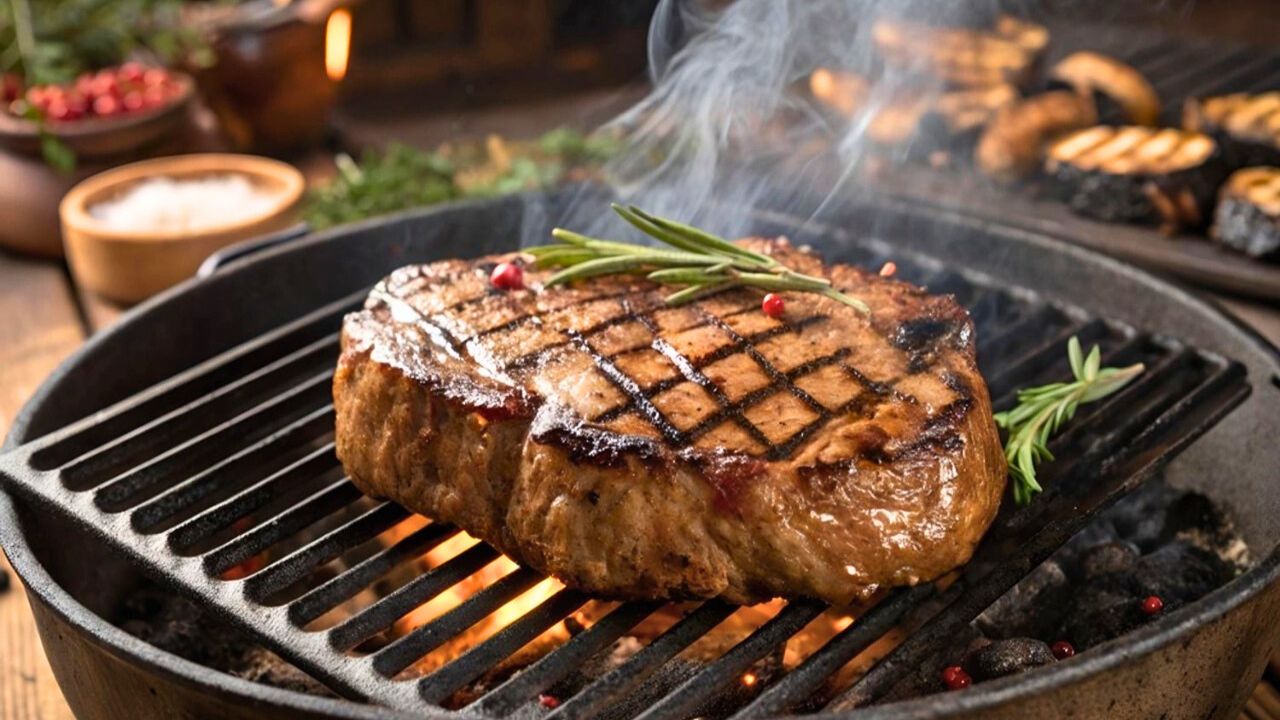
Steakhouse price hikes are spreading and it’s a warning sign for grocery shoppers too
When you sit down at your favorite steakhouse this winter and see a ribeye suddenly priced like a luxury item, you are not just paying for ambiance. You are staring straight at the same forces that are reshaping what you can afford in the meat aisle. The sharp jump in steakhouse tabs is a visible symptom of a deeper beef supply squeeze that is already filtering into grocery coolers and will keep shaping your food budget for years.
Understanding why that restaurant steak now costs so much helps you anticipate what is coming to your cart, from Ground Beef to holiday roasts. The same record cattle shortages, processing bottlenecks, and policy choices that are forcing chains to hike menu prices are also lifting supermarket beef prices far faster than overall inflation, and they are not likely to unwind quickly.
Steakhouses are flashing a “code red” on beef costs
You are seeing the pressure most clearly where beef is the star of the show, as steakhouses move from quiet price tweaks to what some operators describe as a “code red” on costs. Even modest chains that built their brands on value are being pushed to raise menu prices, a shift that signals how severe the squeeze has become. Reports describe how Even Outback Steakhouse and Texas Roadhouse have been forced into noticeable hikes, a clear sign that higher beef bills are no longer something chains can quietly absorb.
For you as a diner, that means the classic playbook of trimming portion sizes or leaning on cheaper cuts is no longer enough to shield you from the underlying market. When restaurants that specialize in steak start warning that it is “bad news for customers,” they are effectively telling you that the economics of beef have shifted. Those same economics do not stop at the kitchen door, so the sticker shock you feel when you open a steakhouse menu is a preview of the pressure that will keep building in the refrigerated case at your local supermarket.
Record-low cattle herds are the root of the problem
The core issue is brutally simple: there are not enough cattle. Industry data show that the U.S. cattle herd has fallen to 86.7 million head, the smallest since 1951, which means every steak, burger, and roast you buy is competing for a tighter supply of animals. Analysts describe how years of drought, soaring feed and fuel costs, and reduced access to imported cattle from Mexico have steadily eroded the herd, leaving processors and restaurants to fight over a shrinking pool of beef. That squeeze is reflected in reports that Cattle prices had reached record highs through 2025, a direct driver of what you now pay per pound.
Because cattle take years to raise, you cannot fix this overnight by simply breeding more calves. Industry briefings emphasize that the cattle cycle typically runs every eight to twelve years, and that the start of 2025 saw the smallest herd in decades, which is why a major driver of the rising price of beef is this structural shortage rather than a short term shock. For you, that means the current spike is not a blip tied to one bad season, it is the front edge of a multi year adjustment in which both restaurants and grocers will be paying more for every animal they buy.
Beef prices are already punishing grocery budgets
By the time you notice a higher price on a steakhouse menu, the same trend has usually been working through grocery data for months. Government figures show that prices in the beef and veal category have climbed to record levels, and that shoppers are feeling sticker shock as they try to keep family favorites on the table. Analysts point to the latest CPI readings on beef Prices to underline how quickly those increases are outpacing broader inflation, leaving you with fewer affordable options in the meat aisle.
On the ground, that shows up in very specific numbers. Local reports note that Beef prices are up about 15 percent year over year as of November, according to Consumer Price Index data cited by Miller, and that jump is hitting last minute holiday shoppers who suddenly find their traditional roasts far more expensive. Separate social media analysis highlights that Beef prices have jumped 25% over the past year in some measures, far outpacing the general cost of living and showing up in every grocery cart you push down the aisle.
Why restaurant inflation hits you differently than grocery inflation
When you compare your restaurant bill to your supermarket receipt, it can be tempting to assume they move in lockstep, but the mechanics are different and that matters for how you plan. Restaurant operators are wrestling not only with higher food costs but also with rising wages, utilities, and rent, which means they often raise prices in bigger, less frequent steps. Industry breakdowns of Restaurant Inflation Key Takeaways stress that Labor, food supply, and operational costs are all pushing menu prices higher in 2025, so when a steakhouse finally adjusts its prices, it is usually catching up to months of pressure rather than anticipating it.
Grocery stores, by contrast, tend to pass through wholesale price changes more gradually, adjusting shelf tags as shipments come in at new costs. That is why you might see a steakhouse jump by several dollars at once while your supermarket ribeye climbs in smaller increments over several weeks. Yet both are drawing from the same underlying market, which is why analysts warn that the “code red” you see at restaurants is a leading indicator of what is coming to retail. When you notice that your usual sirloin special has disappeared from a chain’s value menu, it is a sign that the wholesale market has moved so far that even large buyers can no longer shield you from the true cost of beef.
From feedlot to white tablecloth, margins are getting squeezed
The pressure does not start at the restaurant door, it runs all the way back through the supply chain, and each link is trying to protect its own thin margin. Ranchers are paying more for feed, fuel, and labor while dealing with drought damaged grazing land, which is why many culled herds rather than expanding them. Processors then face higher cattle prices and, in some cases, underused plants, a combination that has pushed the U.S. beef industry to brace for more closures as companies struggle to secure enough animals to remain profitable. Industry reports describe how the U.S. beef industry is bracing for more plant shutdowns as the cattle supply crisis deepens.
By the time beef reaches a steakhouse, the cost of each pound has already been marked up at several stages, leaving operators with little room to maneuver when wholesale prices spike. One detailed look at how a major steakhouse stock is coping notes that crippling high beef prices have pushed wholesale cuts to around 2.29 dollars per pound, forcing managers to rethink portion sizes, menu mix, and promotions. That analysis of How our steakhouse stock is balancing costs underscores that even large chains with purchasing power are being squeezed, which ultimately leaves you, the end customer, paying more whether you order a filet or pick up a family pack of Ground Beef.
Holiday beef traditions are colliding with record prices
If you are used to centering your holiday table around prime rib or tenderloin, the current market is forcing some tough choices. Reports on seasonal shopping describe how Ground Beef is on display in markets at record prices and how beef costs have just kept climbing into the Christmas period, with weather and transportation issues also driving prices higher. One account notes that Ground Beef, captured in a photo by Gene Puskar, has become a symbol of how even basic staples are straining household budgets.
Small butcher shops, which often handle your special order roasts, are feeling the same strain. Owners explain that holiday beef steak orders are up to 15 percent more expensive than last year, citing the same supply and demand imbalance that is hitting supermarkets and restaurants. One butcher described how But this year, those holiday orders come with a higher price tag, forcing customers either to trade down to cheaper cuts or to buy smaller roasts. If you are planning a big gathering, that means you need to budget more for beef or rethink the menu entirely, because the seasonal surge in demand is colliding with a historically tight supply.
Chains are turning beef inflation into a competitive weapon
Some restaurant groups are trying to turn this painful reality into an advantage for you, at least in the short term. Executives at Darden Restaurants have argued that higher beef prices at the grocery store can actually make a steak dinner at LongHorn feel like a better deal, especially once you factor in sides and service. In a recent earnings call, leadership credited higher beef prices with narrowing the gap between dining out and cooking at home, noting that a steak at LongHorn could be the same price or cheaper than buying one from the grocery store, a point highlighted in coverage of Darden’s Q2 2026 earnings.
For you, that framing can be both tempting and misleading. It is true that when supermarket prices surge, the relative premium for eating out can shrink, especially if chains hold the line on certain promotional cuts to lure you in. But those promotions are funded by higher prices elsewhere on the menu, and they depend on corporate strategies that can change quickly if wholesale costs keep rising. In other words, you might find a moment when a restaurant steak feels like a bargain compared with the butcher counter, but the same underlying cattle shortage and processing crunch will eventually force both tabs higher.
Producers and packers are betting on technology, not quick relief
Behind the scenes, major meat companies are scrambling for ways to stretch every carcass further rather than waiting for the herd to rebound. One high profile move involves using artificial intelligence and advanced cutting technology to get more usable meat off each animal, a strategy that becomes more attractive as cattle prices soar to unprecedented levels. Coverage of these efforts notes that the push to use AI to get more meat off the bone comes as the U.S. herd slumps to a historic low, and that companies are racing rivals like JBS NV and Tyson Foods Inc to secure supply, as detailed in analysis that urges you to Read more on how AI is being deployed.
Financial analysts following the sector warn that these innovations, while important, will not fully offset the structural shortage until ranchers can rebuild herds. One credit review of JBS notes that Management acknowledged the U.S. beef business remains constrained by the unfavorable cattle cycle, with profitability limited until herd rebuilding occurs. That assessment, captured in a report that Management shared with bond investors, is a reminder that even the biggest players do not expect a quick fix. For you, that means the industry is focused on squeezing more value out of limited supply rather than delivering the kind of surplus that would push prices meaningfully lower.
Policy, politics, and what President Trump’s response means for your cart
At this point, the beef crunch has become political as well as economic, and that matters because policy choices can either ease or intensify the pressure you feel at checkout. President Donald Trump has framed the surge in beef and live cattle prices as the “Biden Beef Crisis,” arguing that it is one of the most visible examples of food inflation under former President Joe Biden and pledging that “we are working on beef, and I think we have a deal on beef.” His team points out that retail beef costs have jumped roughly 12 percent in 2025 alone and are up nearly 40 percent from 2020 levels, marking the steepest sustained climb in decades, a pattern highlighted in a post that directly criticizes President Joe Biden’s record on food inflation.
At the same time, industry experts stress that trade policies and regulatory decisions have also shaped today’s tight market. The same analysis notes that tariffs on Brazilian beef and reduced access to imported cattle from Mexico have further constricted supply, while structural bottlenecks in processing were left unresolved. Parallel reporting on the broader market shows that the Latest numbers from the U.S. Bureau of Labor Statistics confirm beef prices at record highs, with experts warning that the trend will not reverse quickly, a point underscored in a segment built around the Latest Bureau of Labor Statistics data. For you, the political back and forth matters less than the practical takeaway: policy shifts can nudge prices at the margin, but they cannot instantly rebuild herds or reopen shuttered plants, so you should plan for elevated beef costs even as Washington promises relief.
How you can adapt while the cattle cycle runs its course
Given how entrenched these forces are, your best move is not to wait for a sudden price collapse but to adapt your habits while the cattle cycle grinds through its next phase. Extension specialists who track Beef production trends emphasize that Knowing how long it takes to rebuild herds is crucial for planning, because the industry is still working through the consequences of earlier drought and high input costs. Their analysis of Beef production and the future of it, and Knowing the cattle cycle suggests that supplies will remain tight for several years, which means you can expect elevated prices to linger even if they stop climbing as fast.
In practical terms, that means looking for value where you can find it and being flexible about how you get your protein. You might shift some meals from steaks to roasts or Ground Beef when relative prices make that swap worthwhile, or you might take advantage of loyalty discounts and freezer space when you see a genuine sale. Watching how restaurants and grocers respond can also help: when Long Island operators report that Costs are higher due to several factors, including the number of cattle available and that menu prices have risen during the one year period, as detailed in coverage of Costs at Long Island steakhouses, it is a cue that similar pressures are about to show up in your local store. By treating steakhouse price hikes as an early warning system rather than a separate problem, you can adjust your grocery strategy before the next round of increases hits the shelf.
Supporting sources: Beef prices are soaring. Here’s why that’s hard to fix – CNBC, Beef prices are soaring. Here’s why that’s hard to fix – CNBC, Beef prices are soaring. Here’s why that’s hard to fix – CNBC, ‘Code red’ issued at steakhouses across America as beef prices soar …, From farm to table, high beef prices squeeze margins … – CNBC, Beef prices stuck at record highs headed into Christmas, Beef prices stuck at record highs headed into Christmas, Beef Production, Last-minute holiday grocery shoppers face higher prices, tighter …, Long Island steakhouses face rising beef costs, Darden Restaurants (DRI) Q2 2026 earnings – CNBC, As beef prices rise, small butcher shops adapt to changing …, Restaurant Inflation in 2025: What You Need To Know – OysterLink, AI to get more meat off the bone as US herd slumps to historic low, Initiating Coverage on JBS: Resilient IG Credit, Long Bonds Offer Best Value, U.S. Beef Industry Faces More Plant Closures as Cattle Supply …, President Donald J. Trump announced that his administration has begun efforts…, Beef prices have jumped 25% over the past year far outpacing the rate of infl…, US Beef Prices Hit Record High, Up Nearly 12% From 1 Year Ago.
Like Fix It Homestead’s content? Be sure to follow us.
Here’s more from us:
- I made Joanna Gaines’s Friendsgiving casserole and here is what I would keep
- Pump Shotguns That Jam the Moment You Actually Need Them
- The First 5 Things Guests Notice About Your Living Room at Christmas
- What Caliber Works Best for Groundhogs, Armadillos, and Other Digging Pests?
- Rifles worth keeping by the back door on any rural property
*This article was developed with AI-powered tools and has been carefully reviewed by our editors.