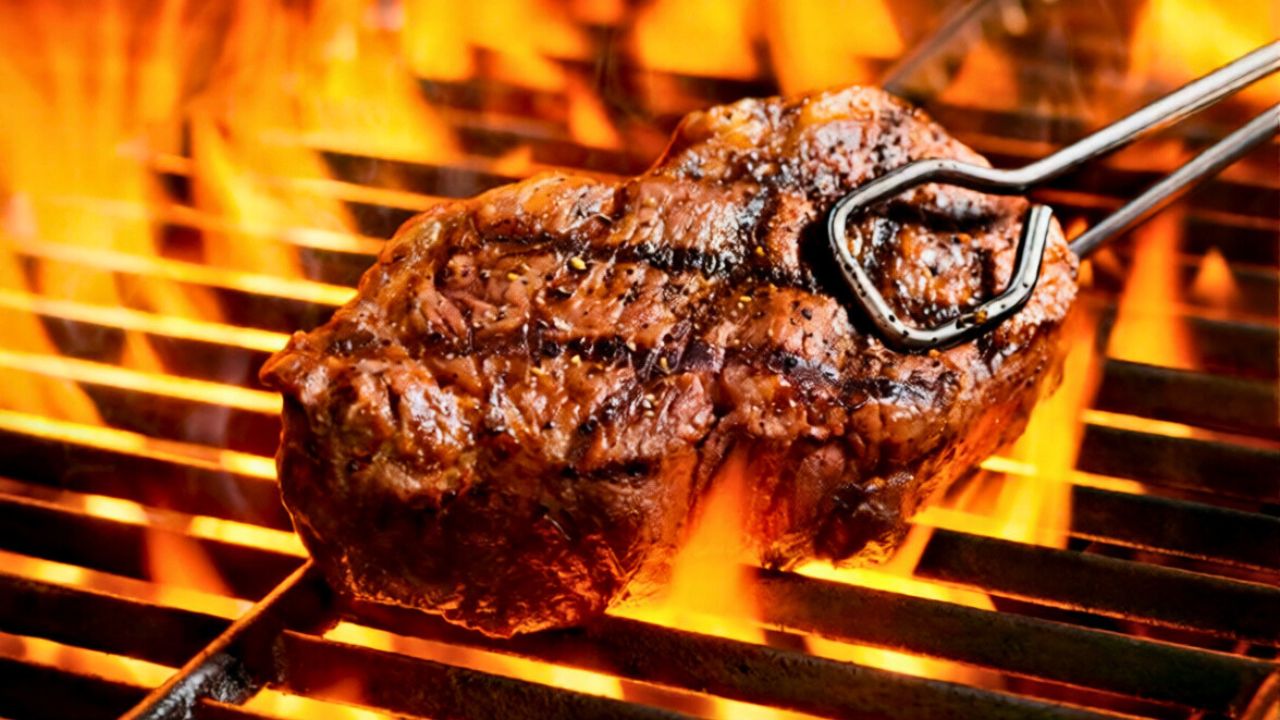
Steakhouses are calling beef a “code red,” and it’s trickling straight into normal family dinners
Across the country, the classic steak dinner is turning into a financial stress test. Upscale chophouses are sounding a “code red” on beef costs, and the same forces that are squeezing white-tablecloth menus are now reshaping what you can afford to put on your own dinner table. If you are used to treating beef as a weekly staple, you are being pushed to rethink how often, how much, and what kind of meat you buy.
The pressure is not a passing blip. From ranchers and processors to chain steakhouses and supermarket meat cases, every link in the beef chain is signaling that higher prices are becoming the new normal. You are living through a structural reset, not just a bad month at the butcher counter.
From “code red” at steakhouses to sticker shock at home
When a high-end dining room starts warning regulars that beef has hit “code red,” you are seeing the tip of a much larger iceberg. At Halls Chophouse in South Carolina and Tennessee, the signature eight-ounce filet mignon that recently cost $57 is now listed at $61, a jump that would have been unthinkable when supply chains felt stable and cattle herds were larger. That kind of move is not about chasing extra profit on a luxury cut, it is about keeping the lights on when the wholesale price of beef keeps climbing.
Once a restaurant like Halls Chophouse raises a flagship item from $57 to $61, you can expect the ripple effects to reach your own kitchen. The same cattle that become those filets also supply the ground beef in your tacos and the roasts in your slow cooker, so the “code red” language you hear in a dining room is really a warning about the entire beef pipeline. As menu prices reset higher, supermarkets follow, and you are left deciding whether a pound of beef belongs in a weeknight pasta sauce or whether chicken thighs and beans will have to carry more of the load.
Why beef is getting so expensive so fast
Behind the menu shock is a simple but unforgiving equation: fewer cattle, stubbornly high costs, and steady demand from people like you who still want a burger or steak. Industry analysts are already warning that Beef Prices Could Surge Again in 2026 as the U.S. Cattle Herd Hits a 70-Year Low, a historic squeeze that leaves packers and retailers bidding against each other for limited animals. When the herd shrinks to that degree, there is no quick way to rebuild it, because breeding and raising cattle takes years, not months.
At the same time, you are not just paying for the animal, you are paying for everything that goes into raising it. Feed, fuel, fertilizer, and labor have all climbed, and farm economists note that the gap between what producers spend and what they receive is at a 10-year high, with Input Costs Likely to Remain High even as some consumer prices level off. When ranchers are squeezed like that, they either cut back their herds further or demand higher prices, and in both cases you end up paying more at the checkout line.
How the squeeze hits ranchers before it hits your cart
Long before you see a price tag in the meat case, ranchers are fighting to stay solvent in a system that often leaves them with the smallest slice of the beef dollar. One independent operation describes how The beef industry has made it very hard for the ranchers to sell their cattle for a respectable profit margin, noting that packers and retailers can capture most of the value while the person raising the animal receives a very minimum amount. When producers are forced to accept thin margins year after year, they have little incentive or ability to expand herds even when demand is strong.
For you, that upstream pressure shows up as fewer choices and higher prices, not just at the butcher counter but across the store. If ranchers cut back on breeding because they cannot cover their costs, the already tight supply that pushed the U.S. cattle herd to a 70-Year low becomes even tighter. That scarcity then feeds into forecasts that Beef Prices Predicted to Keep Climbing in 2026 will not reverse quickly, because rebuilding herds requires years of steady investment that many ranchers simply do not have.
What chain steakhouses reveal about the new beef economy
If you want to see how this plays out in real time, look at the big chains that have turned steak into a mass-market treat. Some, like Longhorn Steakhouse, are described as mid-priced brands that have been relatively shielded from the record-high beef costs because of the buying power of Darden Restaurants, which can negotiate contracts and hedge against volatility in ways a single-location operator cannot. On the other hand, smaller or more premium steakhouses do not have that cushion, so they are forced to pass along higher costs directly to you or quietly shrink portions.
Even the giants are not immune. One chain comparison notes that Outback Steakhouse is not far behind its rivals, then you have other high-profile competitors like Longhorn Steakhouse and Ruth, Chr branded concepts all chasing the same limited supply of quality beef. When those brands start trimming menus, raising prices, or pushing more chicken and pork specials, they are signaling that the economics of serving you a reasonably priced sirloin are getting harder by the month.
Closures and consolidation: when steak night disappears from your neighborhood
The strain is already visible in the restaurant landscape you rely on for birthdays, graduations, and Friday nights. A Beloved steakhouse and Texas Roadhouse rival is set to abruptly close down over 40 locations in 2026, on top of dozens that have already gone dark. When a chain of that scale pulls back, it is not just a corporate restructuring story, it is a sign that the business model of selling affordable steaks in every mid-sized town is under real pressure.
For you, those closures mean fewer options and less competition, which often translates into higher prices at the places that remain. If a local Outback or similar concept shutters, you may find that the only steakhouse left nearby is a higher-end spot like Halls Chophouse or a small independent that has had to raise prices sharply to survive. Over time, that consolidation can turn steak from a casual night out into a rare splurge, pushing you to recreate the experience at home even as grocery prices climb.
The long road to relief: why prices will not fall quickly
Even if you are hoping this is a short-lived spike, industry forecasts suggest you should plan for a longer adjustment. Analysts tracking cattle numbers and consumer demand say that For now, the combination of limited supply, strong demand and the time needed to rebuild herds suggests beef prices will stay elevated for years rather than months. That means the “new normal” you are feeling in 2026 is likely to define your grocery budgeting for several grilling seasons to come.
Multiple outlooks echo the same message. One forecast notes that Beef Prices Expected to Keep Rising in 2026 will continue climbing in the coming year, while another projects that Beef prices are projected to continue increasing as U.S. beef production tightens. When you layer those trends on top of the 70-Year low in the cattle herd and the persistent gap between farm costs and prices received, it becomes clear that waiting for a quick rollback is unlikely to pay off.
When $10-a-pound beef stops being a warning and becomes reality
For families already juggling rent, gas, and childcare, the idea of double-digit beef prices is not abstract, it is a looming line item. The Omaha Steaks CEO has warned that American households will soon face a $10-a-pound reality for beef, a level that turns a simple pot of chili or a tray of burgers into a serious budget decision. When a company built on shipping premium steaks to your doorstep starts sounding that alarm, it is a sign that even the top of the market expects sustained pressure.
For many American families, beef has long been a delicious and affordable luxury, something you could work into the week without blowing up your budget. As one analysis of what causes price fluctuations notes, Others may only buy it for special occasions when money is tight. If the $10-a-pound threshold becomes common across cuts, you are more likely to slide into that second category, saving steak for holidays and leaning harder on cheaper proteins or plant-based meals the rest of the time.
Hidden pressures: regulations, labels, and the cost of caution
Price is not the only force reshaping your relationship with beef. Regulatory and legal pressures are also adding complexity and cost throughout the supply chain, from the ranch to the restaurant table. In states with strict chemical and carcinogen disclosure rules, Due to the seemingly endless risk and liability, Retailers, Manufacturers, Restaurants and others are posting warnings to excess, often in ways that confuse the very people they are intended to protect. Complying with those rules requires testing, labeling, and legal review, all of which add incremental costs that eventually filter into what you pay.
Trade policy is another wild card. Agricultural economists caution that Tariffs could impact some production-cost line items such as chemicals and imported feed ingredients, further inflating the cost of raising cattle. When you combine those policy-driven expenses with environmental regulations, labor rules, and food safety requirements, you get a beef system that is safer and more transparent than it was a generation ago, but also more expensive to operate. You may never see those line items broken out on a receipt, yet they are baked into every pound you buy.
How you can adapt your dinner table to a “code red” beef world
None of this means you have to give up beef entirely, but it does mean you need a more deliberate strategy for how you buy and serve it. One approach is to treat steak the way previous generations treated lobster, as an occasional centerpiece rather than a weekly habit, while leaning on cheaper cuts and smaller portions to stretch your budget. You might swap a full ribeye for a sliced flank steak salad, or use a half pound of ground beef in a chili bulked up with beans and vegetables instead of building the meal entirely around meat.
You can also pay closer attention to where your beef comes from and how the money flows. Some direct-to-consumer ranchers who feel that The beef industry has made it very hard for the ranchers to sell their cattle for a respectable profit margin are offering subscription boxes or bulk freezer packages that give you better value per pound while sending more of your dollars back to the producer. At the same time, you can watch how chains like Outback Steakhouse and Texas Roadhouse rivals adjust their menus and promotions, using their shifts as a real-time barometer of where beef prices are heading next and how aggressively you need to adjust your own meal planning.
Like Fix It Homestead’s content? Be sure to follow us.
Here’s more from us:
- I made Joanna Gaines’s Friendsgiving casserole and here is what I would keep
- Pump Shotguns That Jam the Moment You Actually Need Them
- The First 5 Things Guests Notice About Your Living Room at Christmas
- What Caliber Works Best for Groundhogs, Armadillos, and Other Digging Pests?
- Rifles worth keeping by the back door on any rural property
*This article was developed with AI-powered tools and has been carefully reviewed by our editors.