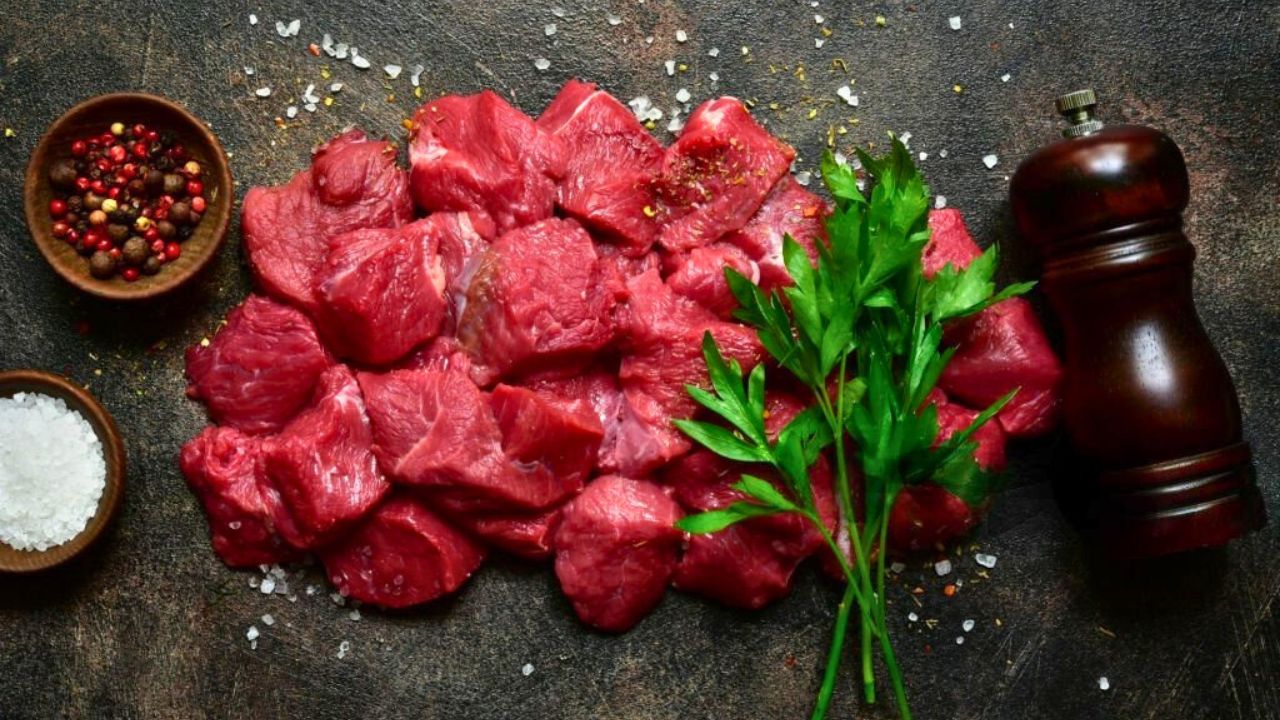
Stew meat and “budget cuts” are rising fast and that’s what makes this feel worse
Sticker shock in the meat aisle is no longer confined to ribeye and filet. You are now paying noticeably more for stew meat, ground beef, and the “value” packs that used to cushion your budget, and that shift is what makes this phase of food inflation feel so punishing. When the cuts you once relied on as a fallback start climbing almost as fast as the luxury steaks, it stops feeling like you have a cheaper option at all and starts feeling like the system is closing in.
Behind those higher prices is a mix of drought, herd liquidation, global demand, and corporate power that is slow to unwind. You are caught in the middle, trying to stretch paychecks while experts warn that beef costs may stay elevated for years, even as political leaders promise relief. Understanding why the “budget” end of the meat case is rising so fast is the first step toward pushing back, both with your shopping choices and your vote.
When even stew meat feels like a splurge
You probably notice the change first in the small decisions, like hesitating over a pack of stew meat that used to be an automatic toss into the cart. Retail beef prices are at record highs, and the jump is not limited to premium steaks. Analysts tracking the market say that ground beef, which anchors everything from burgers to chili, has climbed sharply, with one report noting that ground beef was up 12.9 percent as part of a broader surge in record beef prices. When the cheapest grinds and cubes move in lockstep with ribeye, the psychological safety valve of “I will just trade down” starts to fail.
That is why the current phase of inflation feels different from earlier spikes that mainly hit restaurant steaks or holiday roasts. You are now seeing the same pressure on the everyday cuts that anchor weeknight meals and school lunches. Food price inflation has remained stubbornly high in 2025, with one national broadcast highlighting how Food price inflation has been especially intense for beef and that Steak prices are up in double digits. When stew meat and “family packs” of mince start to feel like luxury items, it is not just your menu that changes, it is your sense of economic security.
The cattle squeeze behind your grocery bill
What you are paying at the register starts much earlier in the supply chain, with a cattle herd that has been shrinking for years. At the start of 2025, the United States recorded the lowest cattle numbers since 1951, a historic contraction that has left packers and retailers competing for a limited pool of animals. One detailed analysis notes that a major driver of the rising price of beef is this record low cattle supply, with Dec reporting that producers are still needing that feed even as they run fewer head. When there are fewer cattle moving through feedlots, every pound of meat, from tenderloin to trimmings, becomes more expensive.
That shortage did not appear overnight. Severe drought over the past few years has discouraged ranchers from rebuilding herds, since they have had to pay more for feed and in some cases sell off animals early just to survive. The same analysis explains that the start of 2025 saw the lowest cattle numbers in decades and that Severe drought has also affected the ground beef supply, since fewer cows and heifers are available for culling into lower cost products. You feel that upstream squeeze most acutely in the case where stew meat and 80/20 mince live, because those items depend heavily on the flow of cull animals and trimmings that has been disrupted.
Global forces and “Market Trends” you never asked to join
Even if you never trade cattle futures or read commodity reports, you are living inside their consequences. From a global standpoint, geopolitical tensions, trade policies, and shifting consumer preferences are reshaping demand for U.S. beef, and those forces do not distinguish between a porterhouse and a pack of stew cubes. Industry analysts tracking Market Trends in Beef, Preparing for 2025, point out that global demand has stayed strong even as the U.S. calf crop was down, which tightens supplies at home. When overseas buyers are willing to pay for American beef, packers have every incentive to keep exports flowing, and that competition filters down into the price of the cheapest grinds.
At the same time, structural shifts in the industry have concentrated power in a handful of large processors that can manage supply in ways small ranchers and consumers cannot. The ERS Cattle & Beef, Sector at a Glance topic page notes that the U.S. cattle herd has decreased in size since 2019 and that retail beef prices are projected to rise another 0.9 to 3.0 percent, according to The ERS Cattle and Beef, Sector, Glance data. You are effectively paying for a system that has less slack, fewer animals, and more pricing power at the top, which is why even the offcuts that used to be afterthoughts are now treated like scarce assets.
Historic demand collides with historic frustration
What makes this moment particularly painful is that demand for beef has stayed remarkably strong even as prices climb, which limits the usual relief that comes when shoppers pull back. One agricultural economist explained that Consumers are seeing high beef prices at the meat case while demand remains robust, and that this combination reflects a long term reduction in supply rather than a short term blip. In a detailed breakdown of the market, another expert noted that Despite historic demand, Here the industry is dealing with a long term reduction in beef supply that keeps prices elevated. When people keep buying, retailers have little reason to discount, and the pressure on your budget persists.
That demand is not just domestic. One analysis of trade flows notes that the United States relies on imports for a significant share of its lean trim, with one expert pointing out that a single country accounts for about 20 percent of all U.S. beef imports. In a separate discussion of the market, another specialist said that the primary factor driving record high beef prices is a severe supply shortage, by some metrics the U.S. cattle herd is at its smallest in decades, and that imported beef now makes up a crucial share of the grind used in burgers and tacos, according to Aug commentary. When global buyers and domestic fast food chains are all chasing the same limited pool of trim, the price of your “budget” mince has nowhere to go but up.
Politics, promises, and the long road to cheaper beef
Into this squeeze steps President Trump, who has made beef prices a political priority and promised relief by 2026. His economic team has pledged to drive beef prices down, arguing that regulatory changes and support for producers can expand supply and ease costs for families. Yet the same coverage that highlights those pledges also quotes USDA chief economist Seth Meyer and other officials warning that we are in for a bit of a haul and that they do not believe prices will come down in any meaningful way until sometime in 2027, with Rempe and others stressing that People want more beef even as supplies lag. You are left trying to reconcile optimistic timelines with the slower biological reality of rebuilding herds.
Those political choices have real consequences for ranchers as well as shoppers. Trump unveiled a 12 billion dollar aid package intended mostly for crop growers, even as cattle prices had reached record highs and some feedlots faced closure. Reporting on the fallout describes how Cattle ranchers are being hit by Trump’s push for lower beef prices, with some operations warning of layoffs because of the impending closure of local plants. When policy tries to force prices down faster than supply can adjust, you risk hollowing out the very production base needed to make stew meat affordable again.
Who is getting rich off your “budget” cuts
As you juggle coupons and swap recipes, it is fair to ask who is actually benefiting from this era of high food prices. Analysts following corporate earnings have pointed out that while households are cutting back, large food companies and retailers have managed to protect or even expand margins. One pointed commentary on the current moment notes that Food prices are soaring right now and urges you to ask yourself who is getting rich from this, describing how profits have remained strong even as shoppers struggle to get through the supermarket checkout line in Food price coverage. When the companies that dominate processing and retailing can pass along higher costs and then some, the pain is not shared evenly.
Beef is a prime example of that imbalance. Latest numbers from the U.S. Bureau of Labor Statistics show prices for beef have climbed to record highs, and experts interviewed in one national segment stressed that this is not just a story of drought but also of market concentration and pricing power. In that report, the Latest figures from the Bureau of Labor Statistics were used to illustrate how beef is up nearly 12 percent from one year ago, even as some input costs have eased. You are effectively paying a premium not only for scarce cattle but also for a system that allows a few big players to keep prices high on every cut, including the ones that used to be considered scraps.
How small shops and influencers are rewriting the meat playbook
On the ground, independent butchers and social media cooks are scrambling to help you adapt. Small butcher shops that rely on a crucial four to six week portion of the year for 20 to 25 percent of their sales are rethinking how they merchandise beef, leaning into smaller portions, mixed meat packs, and alternative cuts. One shop owner, Boyer, explained that “It’s about 20-25% of our yearly sales that we do during this four to six week portion of the year,” But he is now steering customers toward more flexible options as Boyer and his peers adapt to changing demand. You benefit when a skilled butcher can suggest a cheaper muscle that behaves like a pricier steak once it is marinated or slow cooked.
Online, creators are turning that same logic into viral advice. In one widely shared clip titled “🥩Budget Beef🥩 #budgethaul #budgetfriendly #budgetmeals,” posted in Sep, a home cook urges viewers to forget about prime cuts of steak like ribeyes and strip steaks and instead focus on roasts and larger primal cuts that can be broken down at home. The video from Sep budget beef walks through how to buy whole chuck roasts, slice your own stew meat, and grind part of it for burgers, effectively reclaiming some of the processing margin that supermarkets charge. When you are willing to do a bit more knife work, you can sometimes undercut the price of pre cubed “stew beef” that is now treated like a premium convenience product.
Your holiday cart shows how inflation really hits
The pressure on so called budget cuts becomes especially visible around the holidays, when you are trying to feed more people without blowing up your budget. Consumer reporters walking viewers through pre Thanksgiving shopping trips have highlighted how staples like turkey, sides, and especially beef based dishes have crept up in price. In one segment, John Mie, a consumer reporter, shows what is costing more and less as the countdown to Thanksgiving is on, pointing out that John Mie found higher prices on many meat items even as some produce stayed flat. When you are planning a pot of chili for a crowd or a tray of meatballs for a party, the higher cost of ground beef and stew meat can force you to rethink the menu entirely.
Those seasonal spikes land on top of already elevated baseline prices. Another report on the broader trend notes that the cost of beef has been a particular pain point for consumers for years, with retail beef prices hitting record highs and cheaper beef prices still a long way off according to the Farm Bureau and other analysts. That analysis of why cheaper beef is not around the corner underscores that you are not imagining it when the holiday cart feels heavier on your wallet than last year. The combination of structural shortages and seasonal demand means that the very moments when you most want to lean on big pots of stew or trays of lasagna are also when those dishes cost the most to make.
What experts say about when relief might come
Faced with all of this, you naturally want to know when, or if, beef prices will come back down to earth. Economists who study the sector are cautious. One widely cited analysis framed the outlook bluntly, explaining that Beef prices are going to remain high and likely climb even higher before consumers see any relief, and that there is nothing anybody can do about it in the short run because rebuilding herds takes years. In that discussion, Here NEXSTAR quoted Dr. John List of LendingTree saying there is nothing anybody can do about it in the short run, underscoring how limited policy levers are against biology and weather. You are effectively waiting on calves that have not been born yet to grow into the steaks and stew meat of 2027 and beyond.
Government forecasters echo that sober view. The ERS outlook that tracks the Cattle & Beef, Sector at a Glance projects continued increases in retail beef prices in the near term, even as overall food inflation moderates. At the same time, another national segment on inflation stressed that Food price inflation has remained stubbornly high in 2025, especially for beef, and that Steak prices are up in double digits, according to Food inflation coverage. When you put those pieces together, the message is clear: you should plan for a world where stew meat and ground beef stay expensive for several more years, rather than banking on a quick reversion to pre pandemic prices.
Practical ways to fight back at the checkout
While you cannot single handedly fix drought or global demand, you can adjust how you shop and cook to blunt the impact. Consumer advocates suggest rethinking how you interpret labels and dates, especially on discounted items. One set of cost of living tips points out that Best before dates can be looked at a little more flexibly, since food is often safe and good quality beyond that point, and that if an item is at its Best before date it will usually be significantly cheaper, according to Best before guidance. If you are willing to freeze or cook meat quickly, those yellow sticker packs can turn high prices into manageable deals.
Community voices are also reframing bargain hunting as something to be proud of rather than ashamed. In one social media post tagged #BigIssueTalksMoney, a vendor named James Brewer talks about how Everyone loves a bargain and highlights yellow stickers as a way to get food at a reduced price, encouraging followers to support forces charities through the link in bio while they save. That message, shared in Everyone focused content, reinforces that there is nothing wrong with chasing markdowns or building meals around what is on clearance. Combined with strategies like buying whole cuts to break down yourself, stretching beef with beans or lentils, and rotating in more chicken or plant based proteins, you can reclaim some control over a meat aisle that increasingly feels rigged against you.
Like Fix It Homestead’s content? Be sure to follow us.
Here’s more from us:
- I made Joanna Gaines’s Friendsgiving casserole and here is what I would keep
- Pump Shotguns That Jam the Moment You Actually Need Them
- The First 5 Things Guests Notice About Your Living Room at Christmas
- What Caliber Works Best for Groundhogs, Armadillos, and Other Digging Pests?
- Rifles worth keeping by the back door on any rural property
*This article was developed with AI-powered tools and has been carefully reviewed by our editors.