The $300 repair that can turn into a $6,000 problem
You live in a world where a modest repair can quietly snowball into a four-figure disaster. Whether you are dealing with a car, a roof, or a hidden leak, the pattern is the same: a manageable fix ignored for a few months, or handled the wrong way, can grow into a bill that rivals a family vacation or wipes out your emergency fund. If you understand how those jumps happen, you can stop a $300 repair from mutating into a $6,000 problem.
Timing is where the real leverage lies. You rarely get a warning labeled “pay this now or pay twenty times more later.” Instead, you notice a rattle in the engine, a damp patch on drywall, or a slightly higher water bill. The gap between those first hints and a full-blown failure is where you either protect your budget or set yourself up for a financial shock.
How small repair bills quietly explode
Most people encounter the cheap version of a repair first. A minor plumbing visit, a quick timing belt replacement, or a patch on a few shingles feels optional, especially when cash is tight. Yet the underlying risk is that you are not choosing between spending and saving. You are choosing between a controlled cost now and an uncontrolled one later that can multiply several times over once damage spreads to other systems.
Home data on Home Maintenance shows how fast that shift happens. A routine plumbing visit might feel manageable, but a full emergency can run from $120 to $300 per hour once you need urgent help at night or on weekends, and roof repairs that start at $150 to $1,000 for minor issues can climb sharply as water damage spreads. That is the financial physics behind the headline: a few hundred dollars of preventive work that you delay can become thousands once you are paying for both the original issue and everything it destroyed along the way.
The $300 plumbing shortcut that floods your budget
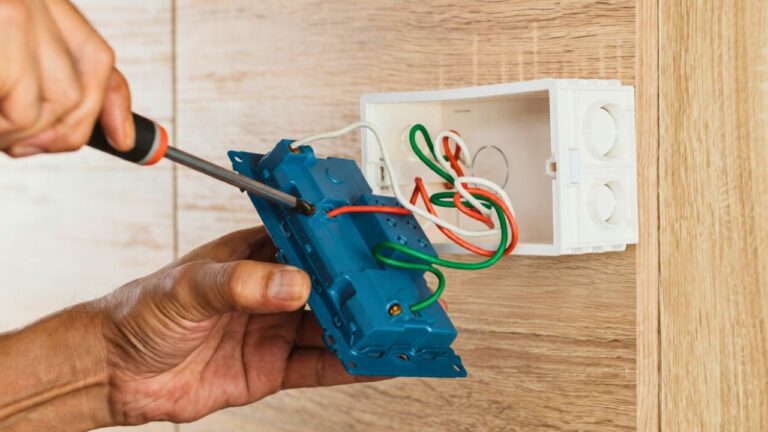
Plumbing is where a lot of people gamble. You see a slow drip, a running toilet, or a small leak under the sink and figure you can save a couple hundred dollars with a weekend project. In the moment, that choice feels smart. You buy a $20 part, queue up a video, and tell yourself you just avoided a $300 visit. The risk you are really taking is that a small mistake with water and pressure can create damage that does not show up until it has already spread through walls and floors.
One plumbing company describes how they are regularly called in after DIY projects have turned what started as a $150 repair into a $1,000 plus problem. That is before you factor in hidden issues like mold, damaged cabinets, or warped flooring. When that same leak is behind a wall, it can behave like the Slow Leaks Behind that professionals warn about, where water quietly spreads until the repair involves demolition, remediation, and reconstruction instead of a simple fitting.
When a burst pipe turns into a renovation
If a small leak is the warning shot, a burst pipe is the full-budget crisis. Once a line fails, you are not just paying a plumber. You are paying for everything the water touches. That can mean drywall, insulation, flooring, and even electrical work. The original plumbing fix might still be a few hundred dollars, but the collateral damage is where you see the jump from a repair bill to something that looks like a remodel estimate.
Guidance on burst pipe costs shows how quickly the extras pile up. Drywall repair alone can run between $2 and $6 per square foot once water has soaked through, and that is only one line item. If the leak is extensive, you may also be looking at damaged insulation, ruined flooring, and the cost of drying equipment. Separate research on How Does Water points out that long term moisture problems can also drag down what your home is worth, which means the real cost of skipping a timely fix is not just the repair invoice, it is the hit to your largest asset.
Roof “tune ups” that prevent five-figure headaches
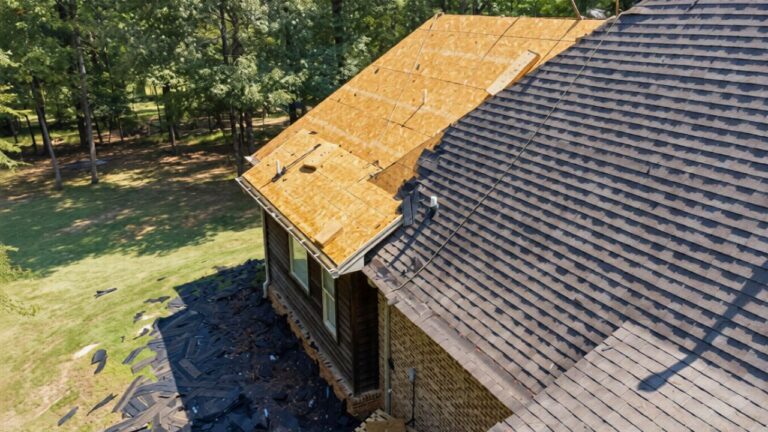
Your roof is another classic example of a small, skippable expense that can blow up later. A few missing shingles or a little flashing that has lifted in a storm might look cosmetic when you glance up from the driveway. Because the damage is out of sight, you are tempted to postpone an inspection or a minor patch. The danger is that water only needs a tiny opening to start working its way into your attic, insulation, and framing.
Home repair data links Roof repairs as low as $150 to $1,000 for minor issues with the reality that larger structural work can cost many times more. Roofing specialists warn that Even a small can lead to widespread repairs and potential health risks from mold if water is allowed to seep through damaged shingles or cracked flashing. Another roofing guide describes how Accumulating Costs from frequent small repairs can become a financial burden, which is exactly how a modest maintenance visit can morph into a full replacement that empties your savings.
The timing belt: a $300 part that can total your engine
On the automotive side, nothing illustrates the small-now, huge-later pattern better than the timing belt. You might drive a 2014 Honda Civic or a 2012 Subaru Outback for years without thinking about it, because the belt is hidden and the car still starts. Replacing it on schedule feels like an optional expense, especially if the quote is a few hundred dollars and nothing seems wrong. What you are really paying for is insurance against one of the most destructive failures an engine can suffer.
Guides on timing belt care put the Timing Belt in stark terms. Depending on your vehicle, the job might cost around $300 or over $1,000, but that range is still small compared with what happens if you ignore it. One service guide explains that If the belt breaks on an interference engine, valves and pistons can collide, bend, and crack, sometimes requiring a replacement engine. Another technical overview notes that In interference engines, that collision can wreck the engine outright, turning a maintenance job into a multi-thousand-dollar decision about whether your car is even worth fixing.
What really happens when the belt snaps
The violence of a timing belt failure is easy to underestimate because you never see it. Inside the engine, the belt keeps the crankshaft and camshaft synchronized so pistons and valves move in a choreographed sequence. When the belt fails at highway speed, that choreography disappears in a fraction of a second. Metal slams into metal, and the damage can be both immediate and extensive.
One technical guide puts it bluntly: When a timing belt breaks on most vehicles, the piston can and will hit valves that are stuck open, which causes catastrophic damage. Another explanation aimed at drivers reminds you to Remember that if your belt fails, the cylinder head may need to be removed, valves replaced, and pistons inspected, a repair that can exceed the value of an older vehicle. Shops that specialize in Timing Belt Repair in places like Wilmington describe this job as routine when done on schedule, but far more complex once you are dealing with bent components and engine rebuilds.
Why drivers keep postponing timing belt service
Despite those stakes, drivers routinely put off timing belt replacements. Part of the problem is that the belt rarely gives you a clear, noisy warning. There is no obvious squeal like a worn brake pad. Instead, you get a mileage recommendation in the owner’s manual that is easy to ignore when the car still feels fine. If money is tight, a quote in the $300 to $1,000 range can feel like a luxury you can delay into next year.
A survey cited by consumer advocates found that Timing belt replacements were the most commonly delayed maintenance task, with 79% of garages reporting that drivers put this work off even though manufacturers recommend doing it every 60,000 to 100,000 miles. Other budgeting guides on Common Costs for emphasize that keeping your car in good shape requires planning for these predictable services, not waiting until something breaks. When you skip that planning, you are effectively betting your entire engine on saving a few hundred dollars today.
Preventive maintenance: your best bargain
The pattern across plumbing, roofing, and timing belts is no coincidence. The same financial rule applies everywhere: preventive maintenance almost always costs less than emergency work. You might resent a scheduled service when nothing seems wrong, but that is when you still have control over the price, the timing, and the scope of the job. Once something fails, you are paying rush rates, dealing with collateral damage, and often facing fewer choices.
Car ownership guides lay out specific Car Maintenance Tips that Save You Money, starting with basics like check your spare tire and keep it inflated, change oil on schedule, and replace filters before they clog. Another dealership guide frames it simply as Regular Maintenance By keeping up with routine tasks, you prevent bigger failures later. The same logic shows up in home systems, where Emergency service calls for water treatment equipment can range from $300 to $1,000, roughly equal to an entire year of preventive maintenance that might have avoided the breakdown entirely.
How to spot the next $6,000 problem early
To protect yourself, you need a simple filter for every repair decision: ask whether you are looking at a contained fix or the first sign of a cascading failure. If water, structural integrity, or engine timing is involved, you can assume the risk of escalation is high. That is when you treat a $300 quote like a priority, not an optional expense. You also build a habit of watching for small signals, like damp baseboards, sagging shingles, or a check engine light that comes on after a missed service interval.
Drivers trade practical advice in online communities, where one popular thread urges you, Don‘t hit curbs or potholes, maintain your vehicle beyond just oil changes, and keep up with air and transmission services because preventive maintenance really pays off. On the home side, service platforms tied to Repairs Costs and Expenses AHS encourage you to schedule work before something fails, and tradespeople who join professional networks through Home Maintenance marketplaces often see the same pattern: the earlier you call, the cheaper the fix. If you treat that pattern as a rule, you give yourself a far better chance of keeping a $300 repair from ever turning into a $6,000 problem.
Like Fix It Homestead’s content? Be sure to follow us.
Here’s more from us:
- I made Joanna Gaines’s Friendsgiving casserole and here is what I would keep
- Pump Shotguns That Jam the Moment You Actually Need Them
- The First 5 Things Guests Notice About Your Living Room at Christmas
- What Caliber Works Best for Groundhogs, Armadillos, and Other Digging Pests?
- Rifles worth keeping by the back door on any rural property
*This article was developed with AI-powered tools and has been carefully reviewed by our editors.