The “backup heat” purchase people make in panic, and how to avoid buying a dangerous model
When the power cuts out on a freezing night, you are not comparison shopping, you are trying to keep your family warm before the pipes freeze. That is exactly when people grab a “backup” heater in a panic, often choosing the cheapest or fastest-shipping model without realizing how easily the wrong device can start a fire or fill a room with toxic gas. With a little planning, you can still get emergency heat, but you can do it in a way that avoids the most dangerous products and setups.
The goal is not to scare you away from portable heat altogether, it is to help you recognize which technologies are inherently riskier, which safety labels actually matter, and which shortcuts, like extension cords or DIY candle rigs, quietly turn a cold snap into a 911 call. If you understand how these devices fail, you can build a backup plan that keeps you warm without gambling on your home or your health.
The panic purchase problem: why “anything that gets warm” is not a plan
In a blackout or a furnace breakdown, you are under pressure, literally watching your indoor temperature drop and your phone battery tick down. That stress pushes you toward whatever heater is in stock, on sale, or at the top of a search result, instead of the model that actually fits your room and wiring. The result is a wave of last minute buys that ignore basic questions like how much power the circuit can handle, whether the heater is certified, or if it is even legal to use indoors.
Safety agencies have been blunt that this improvisation shows up later in fire and injury statistics. The Portable Heaters warnings from CPSC describe how small plug-in units, furnaces, fireplaces and chimneys all contribute to winter fire deaths when they are used carelessly or in the wrong setting. When you treat a heater as a disposable gadget instead of a high load appliance that can ignite furniture or overload wiring, you are effectively betting that your luck will hold through every storm.
Know your heater types: electric, vented, and the risky “vent-free” models
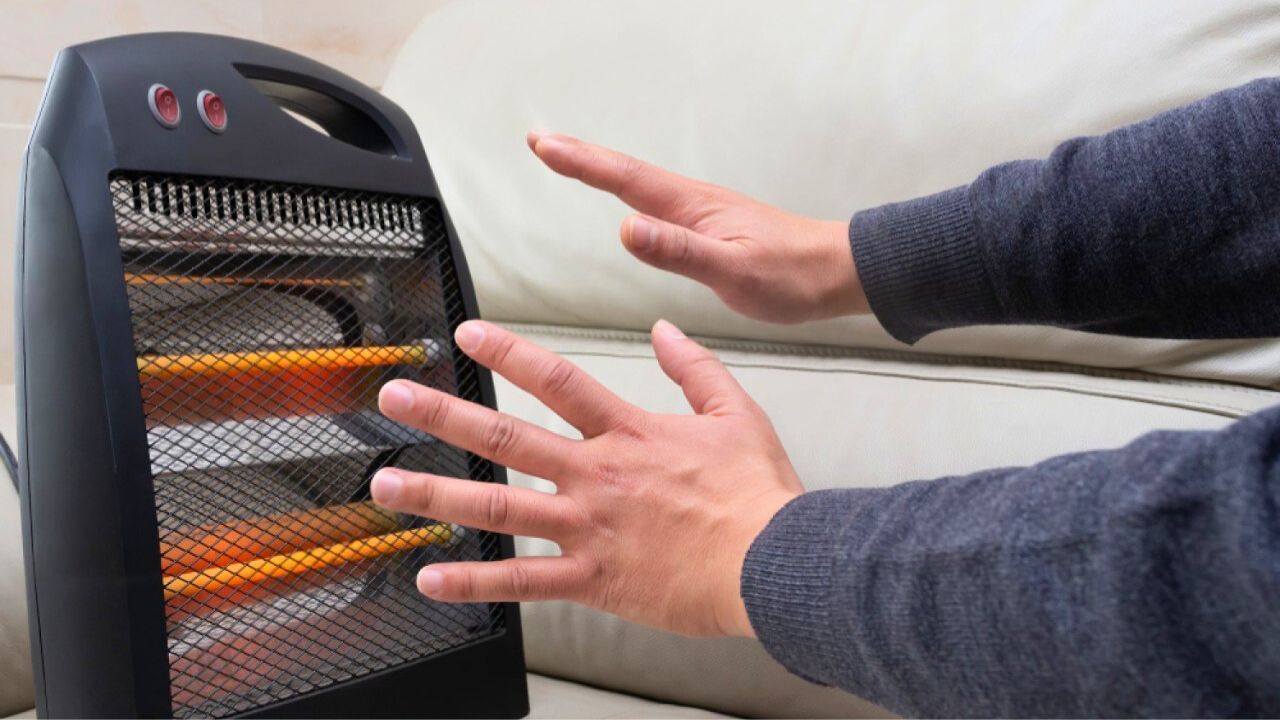
Before you buy anything, you need to know what you are actually bringing into your living room. Electric space heaters convert electricity directly into heat and, when used correctly, avoid combustion fumes, but they can still start fires if they are knocked over or placed too close to bedding and curtains. Combustion heaters burn fuel such as kerosene, propane, or natural gas, and they are split into vented units that send exhaust outside and unvented units that dump byproducts into the room you are sitting in.
Energy experts classify Small space heaters as vented or unvented, and they explicitly state that Unvented combustion models are not recommended for use inside homes because they can adversely affect indoor air quality. That is not a theoretical concern, it is a recognition that burning fuel in a sealed room adds moisture, carbon monoxide, and nitrogen dioxide exactly where you are trying to shelter. If you are shopping in a hurry, the safest default is to stick with a properly certified electric heater or a vented combustion system that is designed for indoor use, and to avoid “vent-free” promises that sound convenient but shift the pollution burden onto your lungs.
The most dangerous “backup heat” setups people reach for first
When you are cold and desperate, you start eyeing anything that glows or burns, which is how people end up turning ovens into heaters, running grills in garages, or stacking candles under flowerpots. Plumbing and safety professionals flag Space Heaters with Extension Cords as a prime example of a seemingly normal choice that quietly overloads cords and outlets. Electric units draw so much current that They can melt cheap power strips or imitation cords, and once insulation fails, a spark in dust or carpet is all it takes to start a fire.
Fuel burning devices create a different class of risk. The CPSC has reported that fuel burning portable heaters were involved in an estimated 33 unintentional, non fire carbon monoxide poisonings in a recent year, a reminder that you cannot see or smell the gas building up. At the same time, fire officials warn that Fireplaces can cause fires if chimneys are cracked, blocked, or coated with creosote, or if embers reach flooring and furniture. In other words, the “backup” you improvise in a panic is often the exact scenario safety bulletins are trying to get you to avoid.
How to spot a safer electric space heater before you click “buy”
If you decide an electric unit is the right backup for you, the safest time to choose it is before the storm, when you can actually read the fine print. You want a heater that is appropriately sized for the room, has modern safety features, and is built to a recognized standard. The US Department of Energy has gone so far as to say, in plain language, that The US Department of Energy warns, “Do not purchase oversized heaters,” because When a heater is too large or too powerful for the space it is used in, the risk of fire increases. Oversized units cycle on and off, overheat nearby surfaces, and tempt you to plug them into marginal wiring.
Certification is your next non negotiable. Safety specialists advise you to Portable space heaters: Look for the safety certification logo and Make sure the heater you purchase has been tested by a recognized lab. Another guide on Choosing a space heater stresses that Safety starts at purchase and urges you to Select a unit certified for safe operation by UL, which is short for Underwriters Labo. Those marks are not marketing fluff, they are your best shorthand for knowing that tip over switches, overheat sensors, and insulation have been tested to fail safely instead of catastrophically.
Fuel burning “backup” heaters: kerosene, propane, and what is actually allowed indoors
Combustion heaters can be effective in a blackout because they do not rely on your home’s electrical system, but they demand more discipline. A Kerosene Heater Kerosene model, for example, uses a fiberglass wick and liquid fuel to produce intense radiant heat, which is why preparedness guides recommend pairing it with a carbon monoxide detector in the space. Local safety officials echo that advice and add that you should Kerosene Heaters only if you Buy only Underwriter Laboratory or UL approved heaters, NEVER fill your heater with gasoline or camp stove fuel, and keep a window ajar or the door open to allow fresh air.
Propane brings its own rules. Fire districts describe a Portable Propane Heater as a device that generates heat from burning propane and note that these portable heaters are ideal for outdoor use or in well ventilated areas, not sealed bedrooms. They also remind you to be mindful of children and pets, who can knock over a hot unit or tamper with controls. If a product’s packaging is vague about ventilation or carbon monoxide, treat that as a red flag, not a loophole, and remember that CPSC’s broader guidance on fuel burning devices is to keep children and pets away and to prioritize detectors that can warn you before symptoms appear.
Extension cords, overloaded outlets, and the hidden electrical risks
Even the best designed heater becomes a hazard if you plug it into the wrong thing. Space heaters draw more power than most household gadgets, which is why electricians and fire investigators keep coming back to extension cords and power strips as a root cause of fires. The warning about Extension Cords is specific: running Electric heaters through long, thin cords or multi outlet strips causes voltage drop and heat buildup, and They are far more likely to have problems than a heater plugged directly into a wall receptacle rated for the load.
Insurers see the same pattern from a different angle. Risk bulletins point out that Fires often occur due to unsafe or incompatible electrical products being used, for example imitation chargers or accessories purchased instead of the manufacturer’s genuine versions. Apply that logic to heaters and you can see why pairing a high wattage unit with a bargain bin cord or adapter is asking for trouble. If your backup plan involves moving a heater between rooms, you are better off buying a model with a long, heavy duty factory cord and planning your furniture around a dedicated outlet than trying to “solve” distance with a tangle of aftermarket wiring.
DIY hacks and viral “heat tricks” that are more dangerous than helpful
Social media is full of clever looking hacks that promise to turn a few candles and a flowerpot into a mini furnace. One popular setup involves a tray of tealights under stacked clay pots, which does produce a warm surface but also concentrates open flames under a heavy, hot object that can be knocked over. Preparedness guides that mention this idea are careful to spell out that Materials Needed include Gather candles and terracotta pots, and that the Setup is to Place a candle in the center and cover it, but they also stress that you must keep flammable materials away. That last clause is doing a lot of work, because in a real living room, “away” can be hard to maintain once kids, pets, and blankets enter the picture.
Other hacks involve running generators in partially enclosed spaces or improvising fuel mixes for heaters that were never designed for them. Safety briefings on generators note that In recent years people increasingly have bought backup generators to provide temporary power during outages, But portable generator misuse has led to carbon monoxide poisoning from exhaust fumes and electrocution. If a hack asks you to defeat a safety feature, move a combustion device indoors, or substitute fuels, it is not a clever workaround, it is a shortcut around the engineering that was supposed to keep you alive.
Using data and labels to avoid sketchy products in a crowded marketplace
When you search for a heater online, you are not just seeing a few big brands, you are seeing a flood of private label imports, copycat listings, and devices that may or may not meet your country’s standards. Large platforms aggregate Product information from brands, stores, and other content providers, which helps you compare features but also means low quality items can ride the same search wave as reputable ones. In a panic, you might sort by price or shipping speed and never scroll far enough to see that the cheapest option lacks any mention of UL, ETL, or CSA certification.
To protect yourself, treat labels and documentation as your first filter. Utility safety guides urge you to Look for the certification mark and to Make sure the heater includes clear instructions about clearance distances, tip over protection, and indoor use. Local emergency managers add that you should Buy only Underwriter Laboratory listed devices, because that Underwriter and Laboratory testing is your best defense against counterfeit or substandard components. If a listing hides behind vague phrases like “tested to high standards” without naming the standard, you should assume the worst and move on.
Build a calm, safe backup heat plan before you ever need it
The most effective way to avoid a dangerous panic buy is to make your decisions while the lights are still on. Walk through your home and decide which single room you would use as a warm zone in an outage, then size your heater to that space instead of trying to heat the entire house. Energy guidance on Unvented heaters, for example, makes clear that some technologies simply do not belong in tight bedrooms or basements, so you can rule them out in advance and focus on safer electric or vented options.
Once you have chosen a model, practice using it under normal conditions. Local coverage from AUSTIN, Texas notes that They are convenient, work quickly and give off a lot of heat, yet portable space heaters are also to blame for a significant share of winter fires, which is why fire departments keep repeating the basics: plug them directly into the wall, keep a three foot buffer from anything that can burn, and pair them with working smoke and carbon monoxide alarm coverage. If you build those habits now, your “backup heat” will be a tool you know how to use, not a mystery box you are unboxing in the dark.
Like Fix It Homestead’s content? Be sure to follow us.
Here’s more from us:
- I made Joanna Gaines’s Friendsgiving casserole and here is what I would keep
- Pump Shotguns That Jam the Moment You Actually Need Them
- The First 5 Things Guests Notice About Your Living Room at Christmas
- What Caliber Works Best for Groundhogs, Armadillos, and Other Digging Pests?
- Rifles worth keeping by the back door on any rural property
*This article was developed with AI-powered tools and has been carefully reviewed by our editors.