The bathroom issue buyers think is minor but inspectors don’t
When you walk through a home, you tend to judge the bathroom on finishes: tile choices, vanity style, maybe the age of the fixtures. Inspectors, however, are far more interested in what you cannot see, especially the subtle signs that water is escaping where it should not. The “small” moisture issues buyers often shrug off can be the very problems that derail a deal, trigger expensive repairs, or spook an insurer once a professional starts probing.
The gap between what feels cosmetic to you and what reads as structural risk to an inspector is widest in the bathroom. A bit of discoloration, a hairline crack in grout, or a toilet that rocks slightly might look like a weekend project, yet those details can signal hidden water damage, failing plumbing, and mold that will show up in a detailed report and give the other side leverage.
The bathroom problem buyers underestimate
From a buyer’s perspective, bathrooms are easy to mentally price out: you see an outdated faucet and imagine a quick swap, or you notice a dingy caulk line and assume a tube of sealant will fix it. The issue inspectors worry about is not the style of the room but the long-term effect of water on the structure around it. They are trained to treat any unexplained stain, warped surface, or musty odor in a wet area as a potential sign of hidden damage rather than a minor annoyance.
Reporting on signs of hidden water damage explains that subtle clues, such as slight discoloration on a ceiling below a bathroom or soft spots in flooring, often mean water has been escaping for far longer than you realize. You might walk past those hints because the tile still looks clean, but an inspector will connect them to possible leaks in supply lines, shower pans, or toilet seals. Once that concern appears in writing, it stops being a “small” bathroom quirk and becomes a negotiating point that can reshape the entire purchase.
Why inspectors see plumbing risk where you see cosmetics
Inspectors are not hired to critique taste, they are hired to identify systems that could fail or cost you money. In bathrooms, that means they look past the vanity and focus on the plumbing network behind it, from the age and material of the pipes to the way drains are vented and connected. Even if everything appears to work during a quick walk-through, they know that slow leaks and marginal installations are what turn into emergencies after you move in.
Industry guidance notes that Inspectors may note minor to major plumbing items, from a dripping hose bib to concerns about pipes that are 50 or 60 years old. A related breakdown of Plumbing Issues Inspectors watch for emphasizes that even small defects are evaluated in the context of the system’s age and type of pipes installed. So while you might focus on whether the bathroom mirror is dated, the inspector is quietly tracing every clue that hints at corrosion, outdated materials, or past leaks that were cosmetically patched but never properly repaired.
The “minor” moisture clues that derail inspections
Moisture is the thread that ties most bathroom red flags together, and it rarely stays confined to the room where it starts. You may notice a faint yellow ring on a ceiling below a tub or a slightly raised seam in vinyl flooring and assume it is old damage. Inspectors, by contrast, treat those marks as active questions: where did the water come from, how far did it travel, and what did it do to the framing, subfloor, or insulation on the way.
Guides to water stains on ceilings and walls point out that discoloration around bathrooms is one of the classic reasons a home fails inspection, because it can indicate ongoing leaks or poor drainage that has never been addressed. Consumer advice on Signs of Water Damage in Your Home stresses that You should not ignore peeling paint, bubbling surfaces, or persistent humidity, since those are often the first visible hints of a much larger moisture problem. When those clues are clustered around a bathroom, an inspector will almost always call for further evaluation, which can slow your deal and invite renegotiation.
Hidden plumbing flaws behind pretty tile
Modern bathrooms often hide their most serious vulnerabilities behind immaculate finishes. A shower can look freshly tiled and still be built on a poorly sloped drain, an undersized trap, or a pan that was never properly waterproofed. You might only see a spa-like space, but inspectors are trained to think about how water moves through and away from that room every time it is used.
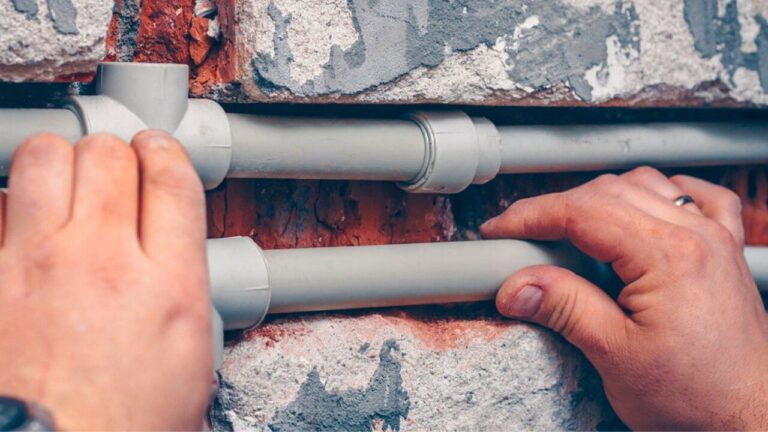
Technical checklists of Improper Slope of Drain Pipes Drain problems explain that if drain lines do not have the right pitch, wastewater can linger, clog, and eventually cause significant damage over time. Inspectors also look for Common Plumbing Issues on a Home Inspection, such as Damaged Pipes, Cracked and corroded sections that compromise water quality and structural integrity. In a bathroom, those flaws are often hidden in walls or under floors, so any surface clue, from a loose tile to a musty cabinet, can prompt a deeper investigation that reveals far more than a simple cosmetic fix.
Trendy bathroom upgrades that worry inspectors
Design trends have pushed bathrooms toward open, seamless spaces, but some of the most popular looks make inspectors nervous. Curbless showers, for example, are marketed as sleek and accessible, yet they demand precise waterproofing and drainage to keep water from migrating into adjacent rooms. If that work was done by a previous owner without permits or professional oversight, you inherit the risk.
Recent warnings note that Curbless showers may look sleek but can cause serious water pooling concerns if the pan is not properly sloped or the floor is not properly sealed before tiling. Inspectors are also increasingly attentive to ventilation and chronic humidity in upgraded bathrooms, a shift reflected in reports on what Dec inspections are flagging more often in 2025, where chronic moisture is now tied directly to insurance, health, and resale concerns. If you are dazzled by a renovation but notice a lack of exhaust fans, pooling water, or swelling trim, you should expect those details to show up in the inspection narrative.
The toilet seal: a cheap part with expensive consequences
Among all the bathroom components buyers tend to ignore, the wax ring or seal under the toilet is the one inspectors treat as a quiet troublemaker. A toilet that rocks slightly, sits unevenly on the floor, or shows staining around the base is not just a comfort issue. Each flush can push a small amount of water and waste past a compromised seal, where it seeps into the subfloor and framing.
One inspection-focused breakdown puts it bluntly: Think of it this way, each flush is a potential new adventure for water and odors if that seal is not tight, and you are urged to Check for soft flooring or staining around the base. Over time, that slow leak can lead to the kind of warped or sagging surfaces described in guides to Common Causes of Hidden Water Damage, where Hidden moisture from Plumbing Leaks in Pipes leads to high indoor humidity and condensation. What looks like a wobbly toilet to you is, to an inspector, a likely source of structural damage that will need to be addressed before you feel good about closing.
How “small” leaks become financial disasters
Water is relentless, and bathrooms concentrate it in a small footprint. A pinhole leak in a supply line inside a vanity, a weeping shower valve, or a slow drip at a tub drain can run for months before anyone notices. By the time you see a stain or smell mildew, the water may already have traveled into adjacent rooms, insulation, and framing, multiplying the cost of remediation.
Specialists in inspection red flags warn that Plumbing Problems That Transform Into Financial Disasters Water damage remains the most destructive force inside residential properties, especially when hidden leaks reduce system pressure and quietly saturate building materials. Advice on Letting subtle warning signs go unchecked notes that even minor warping, bubbling, or staining can indicate a long-running issue that will be expensive to open up and repair. When an inspector connects those dots in a bathroom, you are no longer talking about a $50 fix but potentially thousands of dollars in demolition, drying, and reconstruction.
Why inspectors keep digging when buyers are ready to move on
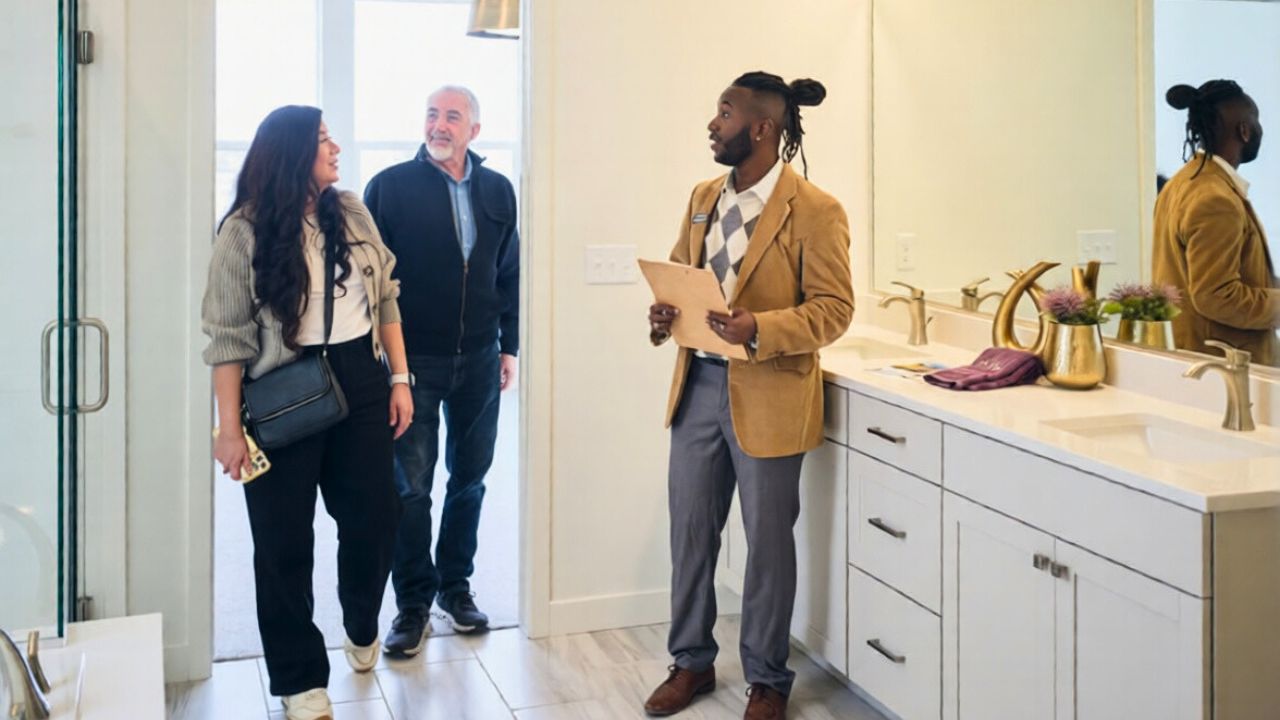
By the time you receive an inspection report, you may already be emotionally invested in the home and inclined to downplay anything that is not catastrophic. Inspectors, however, are paid to be methodical and skeptical, especially in areas like bathrooms where problems are often hidden. They will keep probing until they are satisfied they understand the scope of any moisture or plumbing issue, even if that means recommending further evaluation by a specialist.
One buyer described on Reddit how they were ready to proceed Based on the report and conversation with the inspector, But a closer read of the Based findings around moisture and drainage changed their comfort level. Professional guidance emphasizes that Inspectors look deep into areas you cannot easily see, and They help you find major problems that would be expensive to fix, such as issues with the foundation or a widespread termite problem. In bathrooms, that same mindset leads them to treat every unexplained stain, soft spot, or musty smell as a clue worth chasing, even if you would rather focus on paint colors.
What sellers get wrong about “little” bathroom fixes
If you are selling, it is tempting to focus on quick visual upgrades in the bathroom and ignore anything that looks like a small maintenance task. Many owners assume that if a problem costs less than a few hundred dollars to fix, it is not worth addressing before listing. That logic can backfire when an inspector interprets a series of small issues as evidence of broader neglect or hidden damage.
Seller guidance notes that Anything under $100 that the buyer can reasonably fix on their own is often not worth haggling over, but that advice presumes the issue is truly minor and isolated. When an inspector sees peeling caulk, a stained ceiling, and a wobbly toilet in the same bathroom, they are less likely to treat each as a separate $100 nuisance and more likely to suspect a pattern of water intrusion. Since Inspectors do not focus on cosmetic details unless they suggest deeper issues, such as mold behind peeling wallpaper, leaving those “little” bathroom flaws in place invites exactly the kind of scrutiny you want to avoid.
How to read your inspection report like a pro
When you receive the inspection report, the bathroom section can feel dense and technical, but reading it carefully is one of the best ways to protect your investment. Instead of skimming for bolded “major defects” only, pay attention to patterns: repeated mentions of moisture, staining, or plumbing concerns in and around bathrooms should prompt follow-up questions, even if each item is labeled as minor. You want to understand whether the inspector sees isolated maintenance tasks or symptoms of a larger problem.
Comprehensive guides explain that While the upfront cost of inspections may seem significant, the repairs they help you avoid can far exceed the cost of an inspection. Broader advice on protecting your real estate investment underscores that They are there to uncover issues you cannot see, not to nitpick your décor. If your report ties bathroom moisture to other red flags, such as warped trim or high indoor humidity, you should treat that as a serious signal and consider negotiating repairs, credits, or even walking away if the seller is unwilling to address the underlying cause.
Supporting sources: The Hidden Plumbing Problems Home Inspections Miss (and ….
Like Fix It Homestead’s content? Be sure to follow us.
Here’s more from us:
- I made Joanna Gaines’s Friendsgiving casserole and here is what I would keep
- Pump Shotguns That Jam the Moment You Actually Need Them
- The First 5 Things Guests Notice About Your Living Room at Christmas
- What Caliber Works Best for Groundhogs, Armadillos, and Other Digging Pests?
- Rifles worth keeping by the back door on any rural property
*This article was developed with AI-powered tools and has been carefully reviewed by our editors.