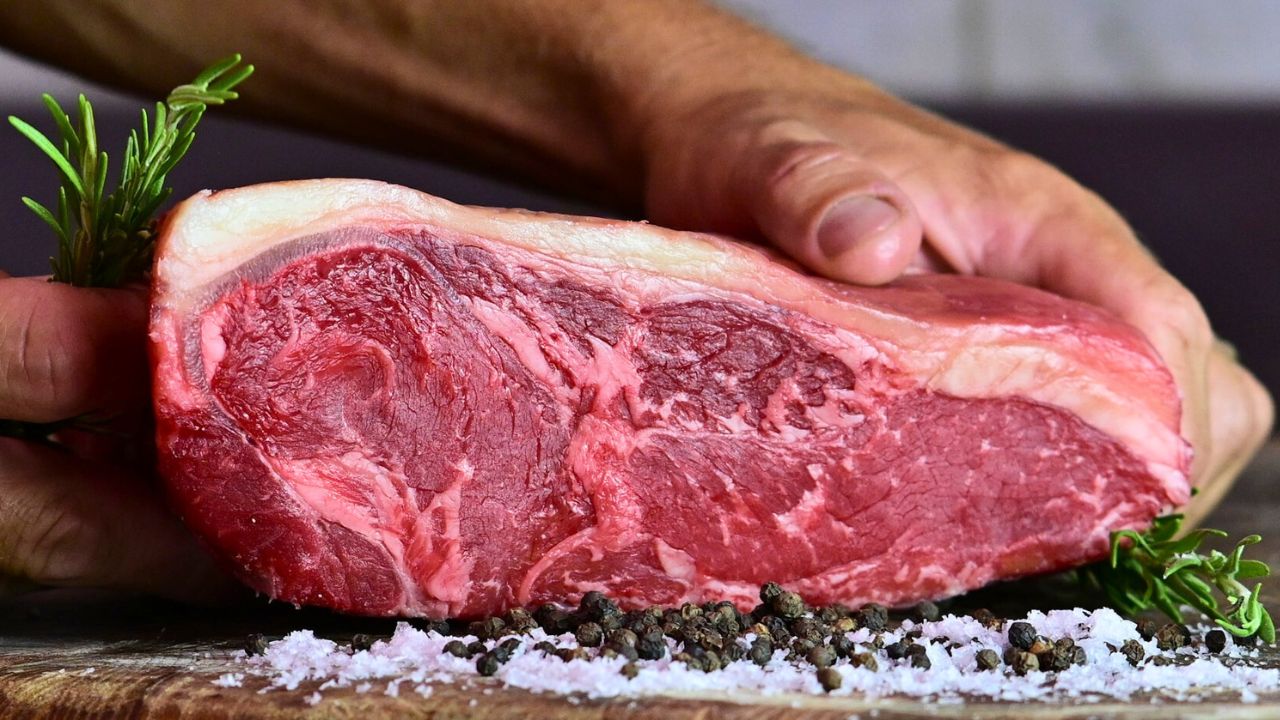
The beef price jump isn’t just steaks and you’ll notice it in the “cheap” cuts too
Beef is quietly becoming a luxury item in your cart, and not just when you splurge on ribeye. The same forces that have pushed steak to record highs are now rippling through ground beef, stew meat, and every “value” cut you once relied on to stretch a family meal. If you are used to treating beef as the default protein, you are running into a structural shift that is reshaping what feels affordable, not a passing sale cycle.
What looks like simple sticker shock is really the result of a smaller cattle herd, tighter supplies of trimmings, and a global market that competes for every pound. That combination is lifting prices across the board, from premium steaks to burger blends, and it is changing how retailers, restaurants, and home cooks think about “cheap” cuts altogether.
Record highs that reach far beyond steak night
When you hear that beef prices are at record highs, it is easy to picture a white-tablecloth steakhouse, not your Tuesday night chili. Yet shoppers reporting on their own grocery bills describe Ground Beef as the item that suddenly feels out of reach, with many saying the price has climbed sharply compared with just a few years ago and that they are buying less or trading down in package size as a result, according to a consumer survey that asked, “What’s the item? Ground beef. How has the price changed since before?” You are not imagining it when the family pack that once felt like a bargain now forces you to recalculate the week’s menu.
Heading into the holidays, analysts note that beef prices are still stuck near those peaks, with retailers displaying Ground Beef in meat cases that cost significantly more per pound than at the same time last year, a trend captured in photos credited to Gene J. Puskar and in reporting that describes prices as “record highs” even as other categories have cooled, according to a holiday pricing snapshot. When you see those numbers on the shelf, you are looking at the downstream effect of a supply squeeze that does not distinguish between a porterhouse and a pound of 80/20.
Why the cattle pipeline is running so lean
The core problem is not at the meat counter, it is out on the range. Agricultural economists point to a severe supply shortage as the primary factor driving record-high beef prices, noting that by some metrics the U.S. cattle herd has shrunk to its smallest size in decades, a contraction that leaves fewer animals moving through feedlots and into packing plants, according to experts quoted in an analysis of herd trends. When drought, high feed costs, and earlier liquidation all collide, ranchers simply do not have the animals to rebuild quickly, and you feel that scarcity in every cut.
Industry forecasts for the year ahead describe reduced beef production as the starting point for everything else, with a smaller U.S. calf crop and tight feeder supplies expected to keep output constrained and to pave the way for only a slow expansion pace, according to a detailed outlook on market trends in beef. When the pipeline from calf to carcass is this lean, there is no quick lever that can be pulled to flood the market with cheaper beef, which is why you are seeing persistent pressure on prices instead of a short-lived spike.
How fewer slaughtered cattle squeeze the “cheap” cuts
You might assume that if steaks get pricey, processors can simply divert more of the animal into ground beef and stew meat to keep those items affordable. In reality, when total slaughter falls, every part of the carcass becomes scarcer, including the lean trimmings that are the backbone of supermarket burger blends. One agricultural economist explains that with slaughter down, packers have fewer lean trimmings available to make ground beef, which means the industry has had to grind more of the higher value middle meats and chucks into burger, a shift that naturally pushes the price of those “value” products higher as well, according to a briefing on slaughter trends. When you pay more for a pound of mince, you are partly paying for the steak that might otherwise have been sold whole.
This dynamic shows up in the data on specific cuts that used to be budget workhorses. Government price series for the South Census Region track the Average Price of Chuck Roast, USDA Choice, Boneless, and show that the cost per Pound, or 453.6 Grams, has climbed steadily, with the latest readings near the top of the historical range, according to a federal price table. When a boneless chuck roast that once anchored an economical pot roast now eats up a big share of your weekly budget, it is a sign that the “cheap” end of the case is being repriced along with everything else.
Ground beef’s climb from staple to splurge
Ground beef has long been the pressure valve that lets you keep beef on the menu even when steaks feel extravagant, but the numbers show that this fallback is losing its discount status. Historical charts of U.S. Ground Beef Prices put the latest figure at $8.23 per pound as of November 2025, with the series labeled in Units of U.S. Dollars, reported at a Frequency described as Monthly, and released as part of an Average Price Data Release that tracks the category over decades, according to long term pricing data. When the benchmark for a basic burger mix sits at $8.23, the old mental math that treated ground beef as the automatic bargain no longer holds.
That shift is exactly what many shoppers have been describing when asked how their bills have changed. In one survey, respondents filling out a form labeled “Fill out this form to share your story with NPR” were prompted with questions like “What’s the item? Ground beef. How has the price changed since before?” and many pointed to Ground Beef as the clearest example of sticker shock in the meat aisle, according to a consumer-focused report. When the product that once anchored tacos, meatloaf, and spaghetti night becomes the most painful line on your receipt, you start to rethink how often beef belongs in the rotation at all.
Inflation data shows beef outpacing the rest of your cart
Even if you do not track commodity charts, you can feel that beef is rising faster than most of the food in your basket, and the official inflation numbers back that up. The latest available CPI data for the beef and veal category shows prices up 14.7%, compared with an increase of just 3.1% for overall food, a gap that highlights how much more aggressively beef has been repriced than the typical grocery item, according to a summary of CPI trends. When one category is running at 14.7% while the rest of your cart sits near 3.1%, it is no wonder that beef is the protein you start cutting back first.
That divergence matters for how you plan meals and manage your budget. If you are used to spreading inflation pain across everything you buy, you might expect modest increases in meat, dairy, and pantry staples alike, but a double digit jump in beef and veal forces sharper tradeoffs, especially for households that rely on beef as a cultural or culinary staple. The CPI figures show that this is not just a feeling at the checkout, it is a measurable shift in relative prices that is reshaping what counts as an everyday protein.
Global demand and imports tighten the screws
Behind the domestic numbers sits a global market that is every bit as hungry for U.S. beef as you are. Trade specialists note that the United States both exports high value cuts and imports significant volumes of lean beef, and that tariffs, currency moves, and foreign demand can all influence how much product is available for your local supermarket. One expert points out that certain partner countries account for a large share of all U.S. beef imports, and that disruptions in those flows can tighten supplies of lean trimmings used in ground beef, according to an assessment of trade and tariffs. When overseas buyers are willing to pay up, packers have every incentive to chase that demand, which leaves less room for domestic discounts.
Industry outlooks stress that reduced beef production at home is colliding with firm demand abroad, a combination that keeps the global balance sheet tight and supports high prices across the carcass, according to forward looking market projections. For you, that means even the cuts that used to be insulated from export competition, like trimmings and lower grade roasts, are now part of a worldwide bidding war that keeps the floor under prices stubbornly high.
Retailers and restaurants rethink “value” beef
As wholesale prices climb, retailers and foodservice operators are quietly rewriting what counts as a value offering. Supermarkets that once leaned on big Ground Beef promotions to drive traffic are now more cautious, knowing that discounting too aggressively can wipe out already thin margins when the underlying cost per pound is elevated. Reports on holiday meat cases describe Ground Beef on display at prices that are higher than the previous year even when labeled as specials, with photos by Gene J. Puskar capturing the new normal of smaller “sale” tags attached to bigger numbers, according to a look at Christmas beef pricing. When the promotional price for burgers looks like yesterday’s everyday price for steak, you can see how far the goalposts have moved.
Restaurants are making similar adjustments, often in ways you notice only when you study the menu. Industry guidance aimed at chefs and operators encourages them to feature smaller portions of premium cuts, to blend beef with other proteins, or to spotlight underused muscles that can be priced more attractively, strategies laid out in foodservice market insights. When your favorite burger joint quietly shrinks the patty or adds a plant-based option, it is responding to the same cost pressures that are reshaping your grocery list.
Lessons from past crunches: the rise of offal and forgotten cuts
There is a precedent for what happens when mainstream cuts become too expensive for comfort. During the last major financial squeeze, one large supermarket group in the United Kingdom leaned into a burgeoning trend for traditional and cheaper cuts, promoting items like Bath chaps, ox cheek, and pigs trotters as thrifty, flavorful alternatives, according to a report on how retailers responded to the credit crunch by tapping into a trend for cheaper cuts. The strategy worked in part because it reframed offal and slow-cooking muscles as culinary discoveries rather than compromises.
You are likely to see echoes of that playbook as beef prices stay elevated. Butchers and retailers can steer you toward shanks, cheeks, and other less familiar parts of the animal that still offer good value relative to ribeye or strip, especially if you are willing to braise or stew. The catch is that as more shoppers make that pivot, the very cuts that once sat in the discount bin can start to climb in price too, which is why understanding the broader supply picture matters more than chasing any single “secret” bargain.
How to adapt your cooking and shopping strategy
In a world where the entire beef complex is repricing, your best defense is to become more deliberate about when and how you buy it. Watching the data on categories like Ground Beef Prices and the Average Price of Chuck Roast, USDA Choice, Boneless can help you recognize when a sale is truly exceptional versus merely less painful, especially when you remember that those figures are reported in precise Units of U.S. Dollars and tracked at a Monthly Frequency as part of an official Release of Average Price Data, according to the ground beef series and the chuck roast table. Stocking up when your local price dips meaningfully below those benchmarks, then freezing portions, can stretch your budget without giving up beef entirely.
On the cooking side, leaning into techniques that maximize flavor from smaller amounts of meat can help you ride out this period of high prices. Dishes that combine beef with beans, grains, or vegetables, like chili, stuffed peppers, or pilafs, let you keep the taste you crave while cutting the per-serving cost, a strategy that becomes more attractive when you know that beef and veal inflation is running at 14.7% compared with 3.1% for overall food, according to the CPI figures. By treating beef as a flavoring rather than the entire center of the plate, you can stay connected to the dishes you love without letting one protein dominate your grocery bill.
Like Fix It Homestead’s content? Be sure to follow us.
Here’s more from us:
- I made Joanna Gaines’s Friendsgiving casserole and here is what I would keep
- Pump Shotguns That Jam the Moment You Actually Need Them
- The First 5 Things Guests Notice About Your Living Room at Christmas
- What Caliber Works Best for Groundhogs, Armadillos, and Other Digging Pests?
- Rifles worth keeping by the back door on any rural property
*This article was developed with AI-powered tools and has been carefully reviewed by our editors.