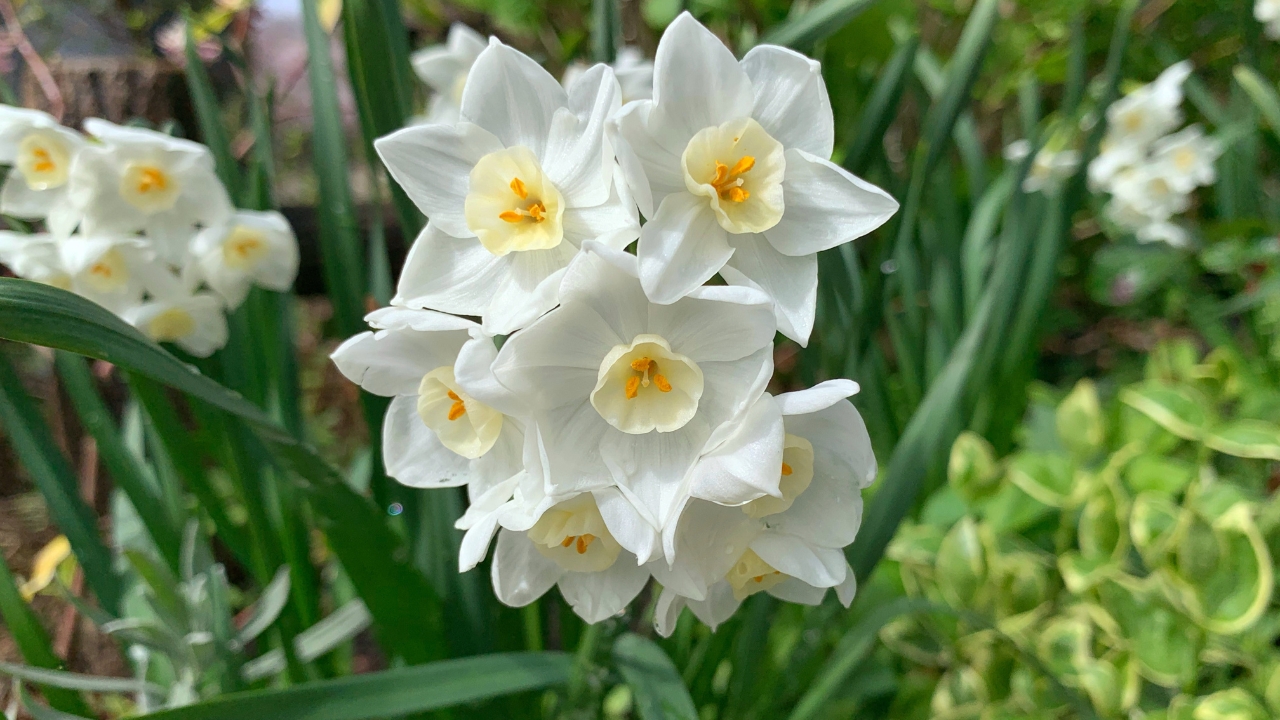
The best date to start paperwhites and have blooms for Christmas
Paperwhites are one of those easy “instant holiday” plants—green shoots, clusters of white flowers, and that strong scent that makes the house feel dressed up even if nothing else is done. The catch is timing. Plant too early, and they’re done blooming before Christmas. Too late, and you’re staring at green leaves on December 25.
The trick is working backward from when you want the flowers.
Work backward 4–6 weeks from Christmas
Most paperwhite bulbs take about 4–6 weeks from planting to blooming, depending on how warm and bright your house is. Warmer rooms push them along faster; cooler rooms slow them down.
If you want flowers right around Christmas, a good general planting window is mid- to late November. In a warmer house, lean closer to Thanksgiving. In a cooler spot, plant a week earlier or give them a slightly warmer home once they sprout.
Choose firm bulbs and the containers you actually like

When you buy paperwhites, look for bulbs that feel firm and heavy, not squishy or moldy. A little outer skin flaking is normal; soft spots are not.
You can plant them in:
- A shallow bowl with pebbles and water
- A deeper container with potting soil
- Narrow vases that hold the bulbs at the top
Pick something that fits where you want to display them—kitchen window, dining table, entry console. They’re both a plant and decor, so choose containers you actually enjoy looking at.
Plant them so the bulbs are snug, not buried
For the classic pebble method, add a layer of small rocks or marbles, nestle the bulbs in so they’re held upright, and then add more pebbles around them to keep them stable. Leave the tops exposed. Add water just until it touches the very bottom of the bulbs, not halfway up the sides.
In soil, plant them shallow—pointy end up, with the top third of the bulb above the surface. Crowding them a little is fine; they help hold each other upright.
Give them bright light and moderate warmth
At first, you can keep them in a cool, bright spot to encourage strong roots. Once you see green shoots a couple of inches tall, move them to brighter light—like a sunny window.
Room temperature is usually fine. If your house runs cold, they’ll be slower and closer to the 6-week mark. If it runs warm, expect them nearer to 4 weeks. You can shuffle them to a cooler room at night if they’re racing ahead.
Water carefully so they don’t rot or dry out
Check water levels every few days. For pebble plantings, keep water just at the base of the bulbs. If it climbs too high, the bulbs can rot. For soil, keep it lightly moist but not soggy—similar to a regular houseplant.
If roots dry out completely, the plant will stall. If they’re waterlogged, you’ll notice a sour smell and yellow, mushy spots. Small adjustments as you go are easier than trying to rescue a bulb that’s already rotting.
Help them stay upright once they take off
Paperwhites grow fast, and the stems can get floppy. You can:
- Turn the container a bit each day so they don’t lean only toward one direction.
- Give them a simple support—like a few twigs or thin stakes with twine around the cluster.
Some people use a weak alcohol solution in the water to stunt height slightly, but if that feels like too much fuss, simple support and rotation usually do the job.
Stagger plantings if you want blooms beyond Christmas
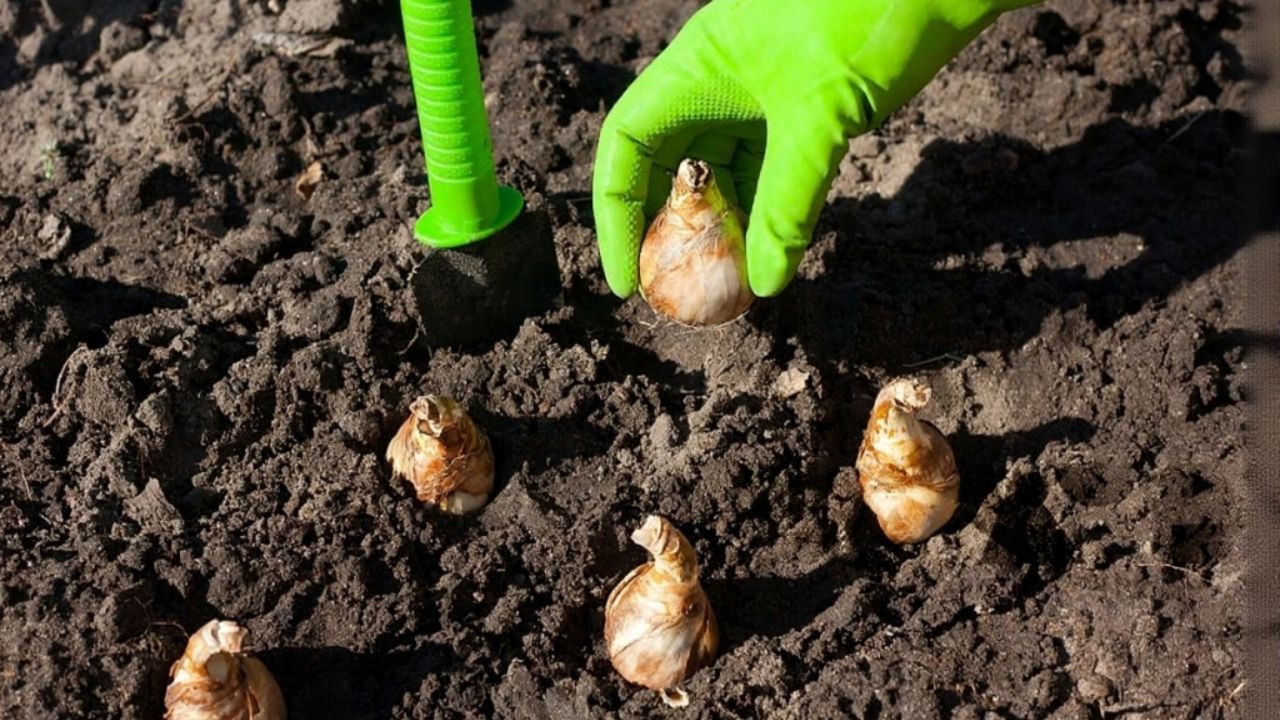
If you love them and want flowers into January, plant in two or three waves a week apart starting mid-November. The first batch will be at their peak around Christmas, and the later ones will carry you into the new year.
Paperwhites don’t rebloom reliably indoors after forcing, so once they’re done, enjoy them fully and then let them go. The point is the burst of cheer when everything outside is brown and quiet. With a little timing, that burst can land right when you want it—on Christmas week instead of two weeks too early or late.
Like Fix It Homestead’s content? Be sure to follow us.
- I made Joanna Gaines’s Friendsgiving casserole and here is what I would keep
- Pump Shotguns That Jam the Moment You Actually Need Them
- The First 5 Things Guests Notice About Your Living Room at Christmas
- What Caliber Works Best for Groundhogs, Armadillos, and Other Digging Pests?
- Rifles worth keeping by the back door on any rural property
*This article was developed with AI-powered tools and has been carefully reviewed by our editors.