The Best Tools to Winterize a Raised Bed Garden
Winterizing raised beds isn’t about making the garden look pretty—it’s about protecting soil, hardware, and any perennials you’ve got tucked in there so everything’s ready to go when spring hits. You don’t need fancy equipment, but a handful of tools make the job quicker and easier.
Here are the tools that actually help when you’re putting raised beds to bed for the cold season.
1. A sturdy hand fork or cultivator for cleanup
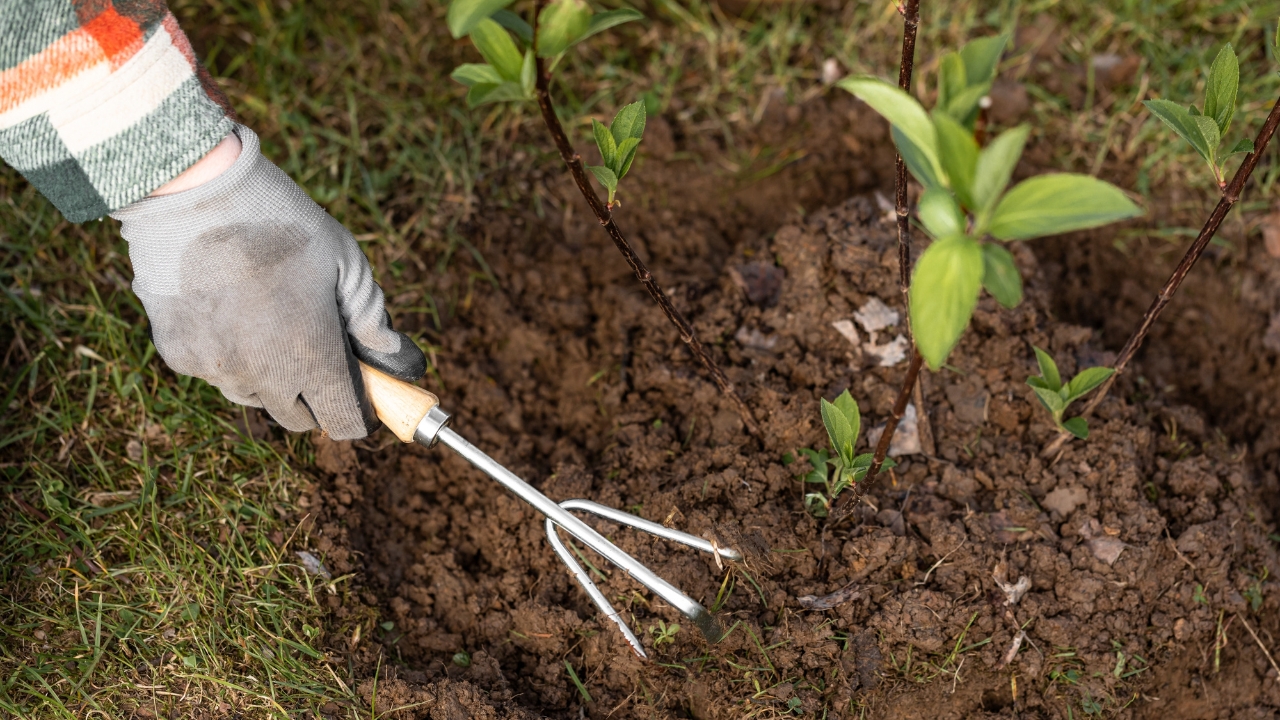
Before you cover or insulate anything, you need to clear out spent plants and loosen the top layer of soil. A hand fork or small cultivator is perfect for this.
It lets you tease out roots, pull small weeds, and break up crusty soil without turning the whole bed upside down. You’re aiming to remove disease-prone plant material and give the top few inches of soil a little breath of air. This helps compost, mulch, or leaves settle in better and improves drainage heading into winter.
2. Sharp pruners for cutting back spent plants

Instead of yanking plants out and disturbing the soil structure, good bypass pruners let you cut stems cleanly at the base. That’s important for tomatoes, peppers, and other annuals, and also for perennials you want to cut down or tidy up.
Sharp pruners reduce tearing, which matters for plant health on anything that’s sticking around. They also make the job faster and kinder on your wrists. Keep a small bucket or tub nearby to toss trimmings into as you go and decide later what’s headed to compost versus the trash (anything diseased goes out, not into compost).
3. A leaf shredder or mulching mower for DIY mulch
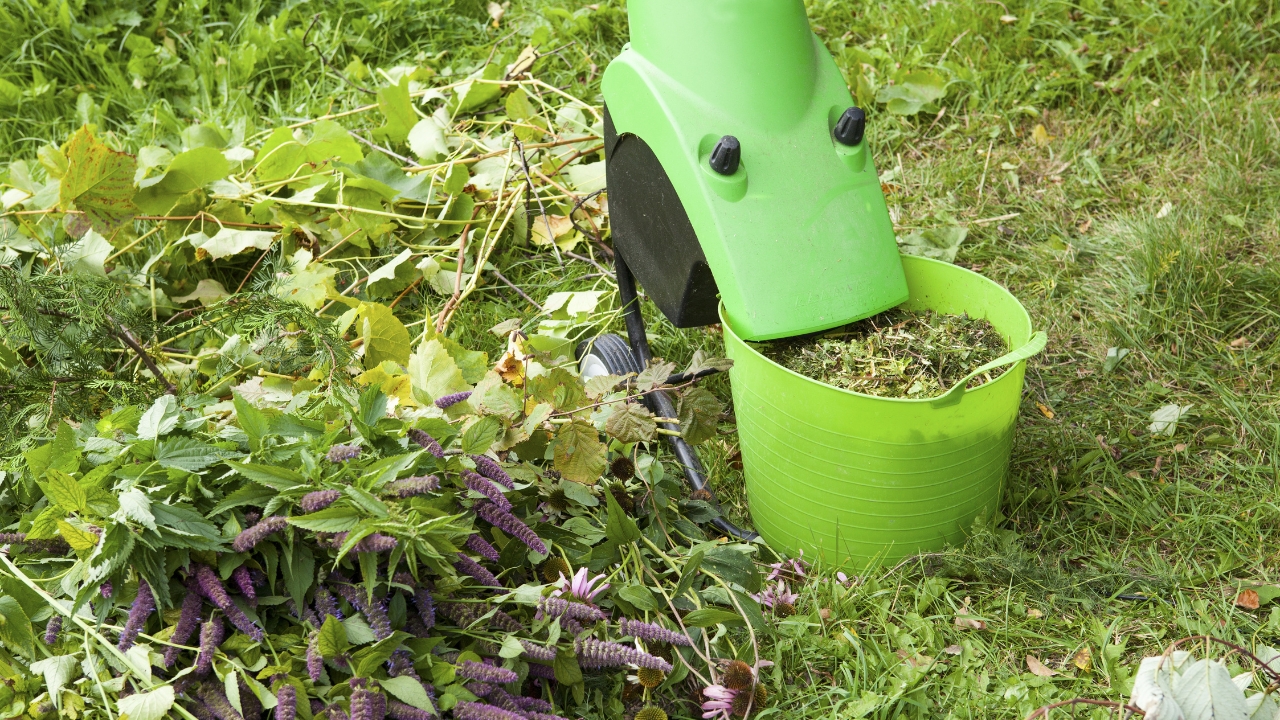
A leaf shredder is handy, but if you don’t have one, a mulching mower can do the same job. You want to chop leaves into smaller pieces before they go on top of your beds.
Shredded leaves pack more neatly, break down faster, and are less likely to mat into a soggy layer that repels water. Once chopped, you can use a rake or your hands to spread them over raised beds as a fall blanket. This acts as insulation and future organic matter.
4. A good-quality rake for smoothing and spreading
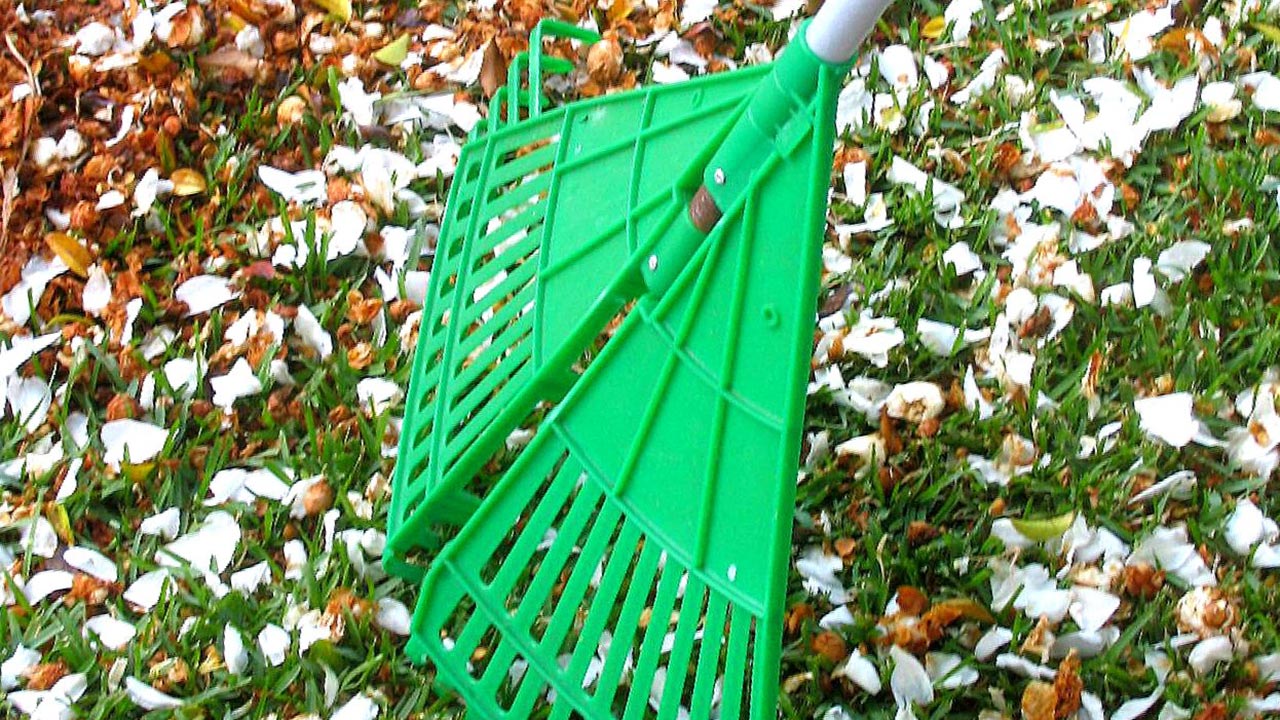
After you’ve added compost and shredded leaves, a rake helps level the surface and make sure everything is evenly covered. A lightweight leaf rake is great for the top layer; a metal garden rake works well if you’re smoothing compost.
Use it to pull mulch into corners, even out thick spots, and pull excess off pathways. A few quick passes keep the bed looking tidy and ensures you don’t have bare patches where soil is exposed all winter.
5. A wheelbarrow or garden cart for moving compost and mulch

Winterizing beds means moving bulk materials—compost, leaves, straw. A wheelbarrow or sturdy garden cart saves you multiple trips back and forth with armfuls of stuff.
You can load it with everything you need for one bed: a layer of compost, a heap of leaves or straw, and any tools you’re using. Roll it down the row, work one bed at a time, and you’re not constantly trekking across the yard. It’s a small thing that makes the whole job feel less exhausting.
6. A soil thermometer to know when it’s time to cover
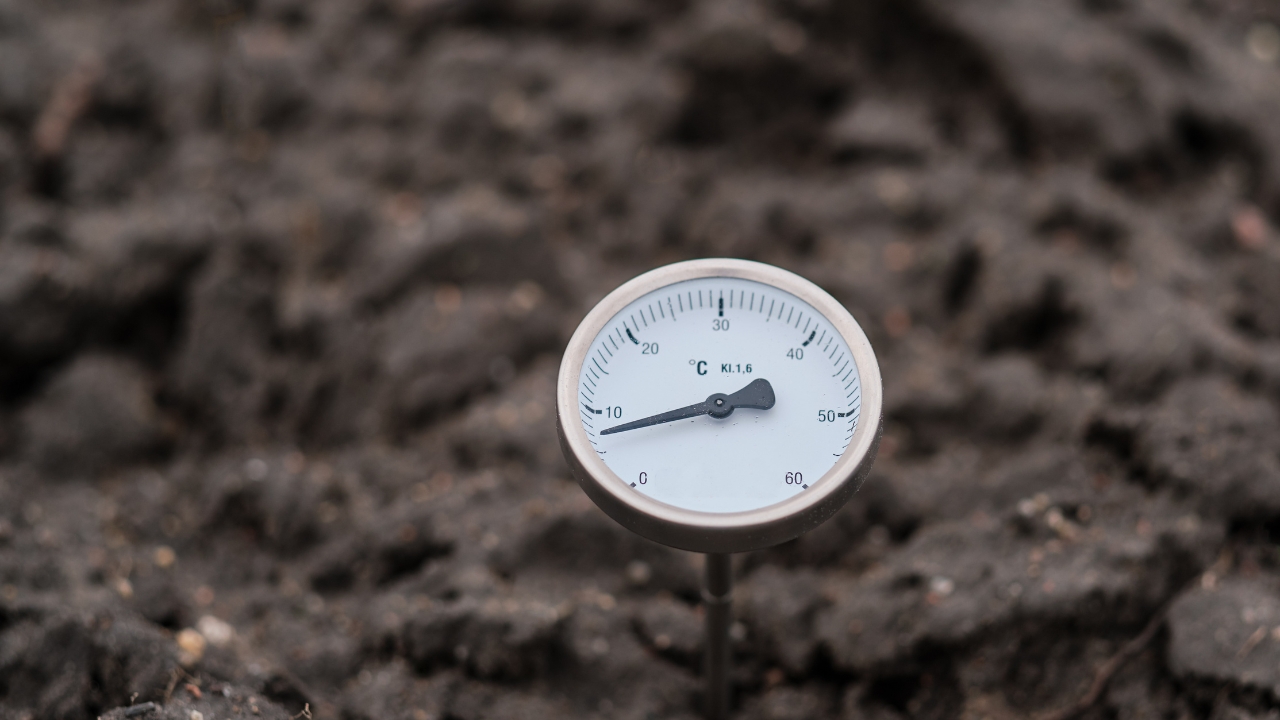
This one sounds a little extra, but it’s surprisingly useful. A basic soil thermometer tells you how cold the bed is getting and when it’s time to add or adjust protection.
You can check if the soil is still warm enough for late-season crops, or if it’s finally cooled down and ready for a full winter blanket. It also helps you judge in early spring when the soil is warming up enough to start working beds again instead of guessing based on the air temperature.
7. Garden staples and row cover for extra protection
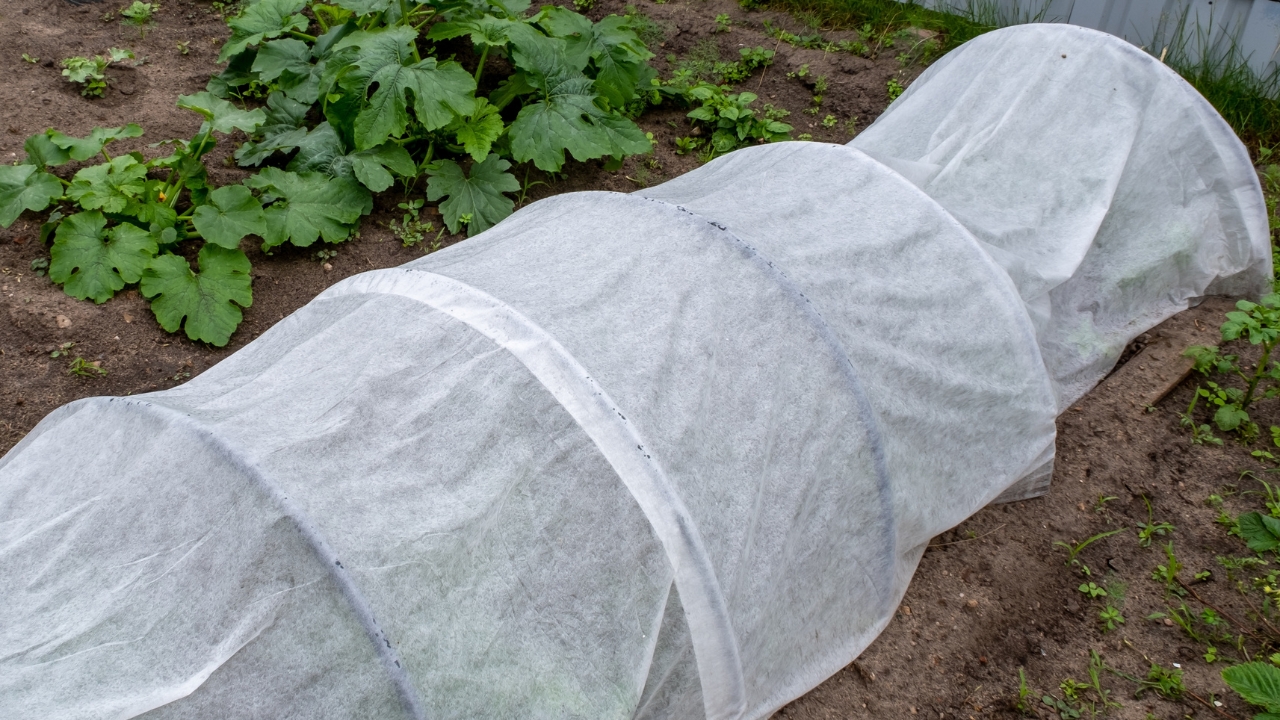
If you want to extend your season or protect overwintering crops like garlic or hardy greens, lightweight row cover and garden staples are your friends.
Row cover lets light and water through but softens harsh wind and temperature swings. Garden staples (those U-shaped metal pins) keep fabric, burlap, or even cardboard in place over soil or mulch so it doesn’t blow away. Together, they make a simple, low-profile system to shield the beds without building a full hoop structure—though you can use them with hoops too.
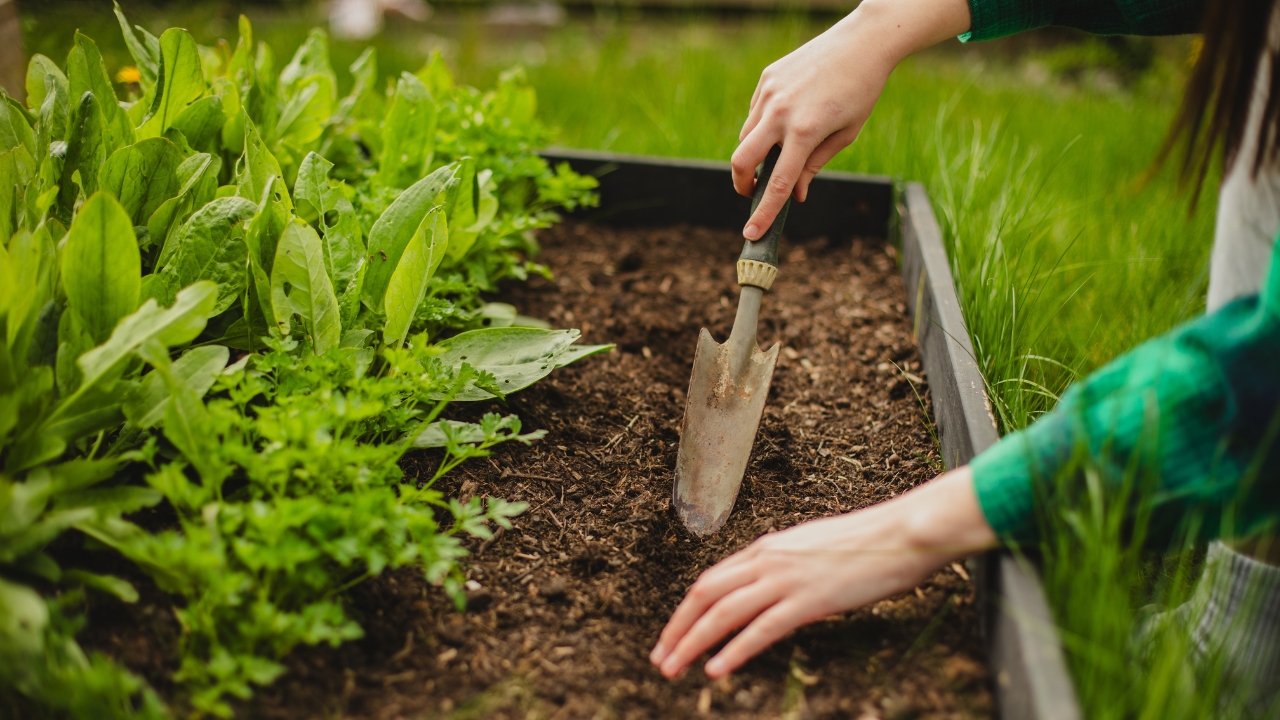
8. A hand trowel or hori-hori knife for planting fall crops and garlic
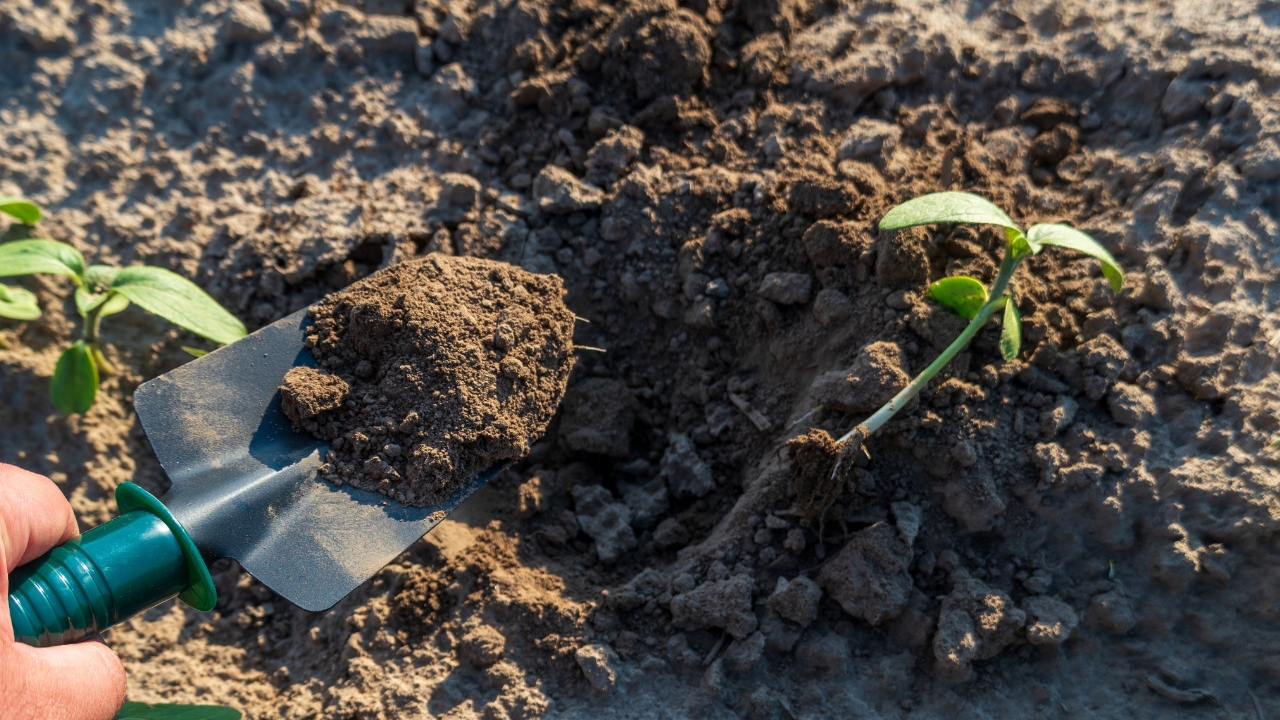
If you’re tucking garlic, bulbs, or other late plantings into raised beds before winter, a solid hand trowel or hori-hori knife is worth having.
These tools let you dig small holes or narrow trenches quickly without tearing up half the bed. A hori-hori, in particular, can slice through roots, cut twine, and measure depth thanks to marks on the blade. It becomes the one tool you keep in your hand the entire time you’re working in a raised bed.
9. A simple moisture meter or your own hand for checking water
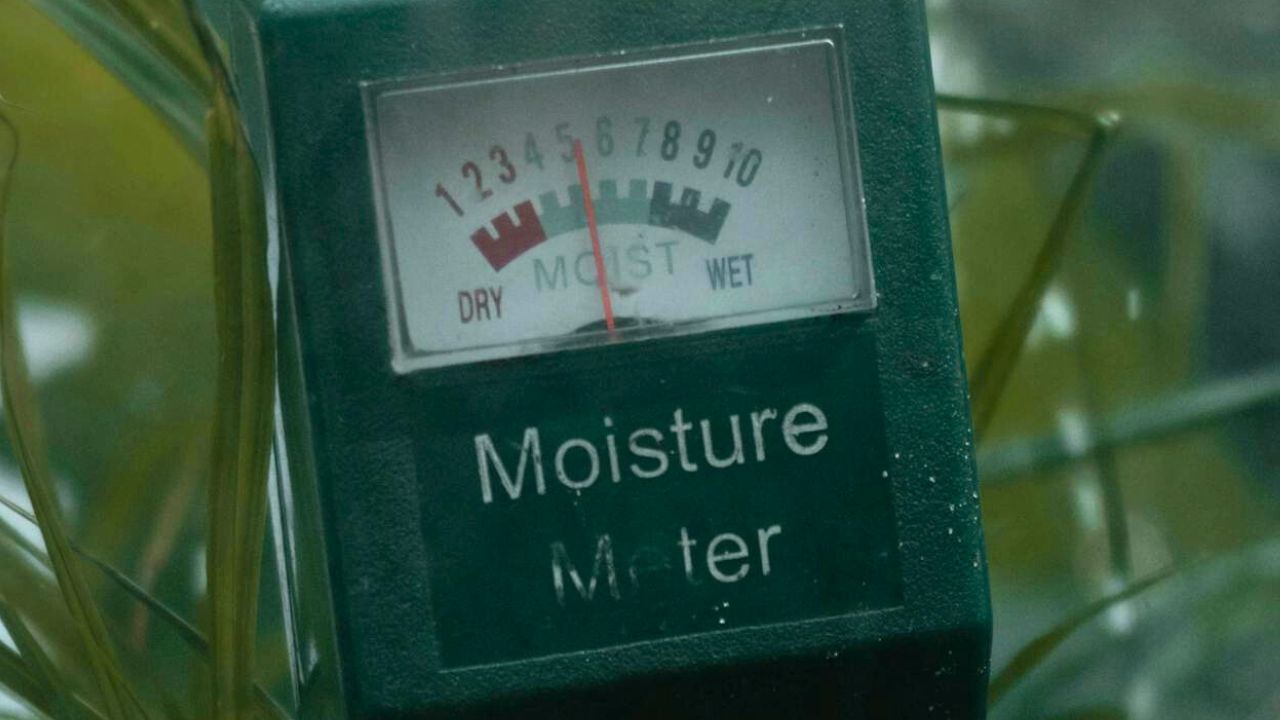
Raised beds dry out faster than in-ground beds, even in cold weather. Before you cover everything up, it helps to know how dry the soil really is. A basic moisture meter can give you a quick read.
If you don’t have one, your hand works too—dig down a few inches and feel. You want the soil slightly moist before you top it with leaves or straw, not bone dry. Moist (but not soggy) soil going into winter supports soil life and helps protect roots and microbes.
10. A tarp or heavy-duty bags for hauling out diseased plants

Finally, having a tarp or heavy-duty contractor bag on hand makes it easier to remove plant material that shouldn’t go into compost—things with blight, powdery mildew, or bug infestations.
You can pile problem plants directly onto the tarp as you work, then drag or carry everything to your trash collection point. That way you’re not accidentally mixing diseased material into your good compost or leaving it lying next to the beds all winter.
With a few solid tools—a fork, pruners, a way to shred and move leaves, and simple covers—you can winterize raised beds without feeling like you need a whole shed of gear. The goal is to protect the soil you’ve already built so next year’s garden starts on the right foot.
Like Fix It Homestead’s content? Be sure to follow us.
- I made Joanna Gaines’s Friendsgiving casserole and here is what I would keep
- Pump Shotguns That Jam the Moment You Actually Need Them
- The First 5 Things Guests Notice About Your Living Room at Christmas
- What Caliber Works Best for Groundhogs, Armadillos, and Other Digging Pests?
- Rifles worth keeping by the back door on any rural property
*This article was developed with AI-powered tools and has been carefully reviewed by our editors.