The biggest reason older homes react differently to stress
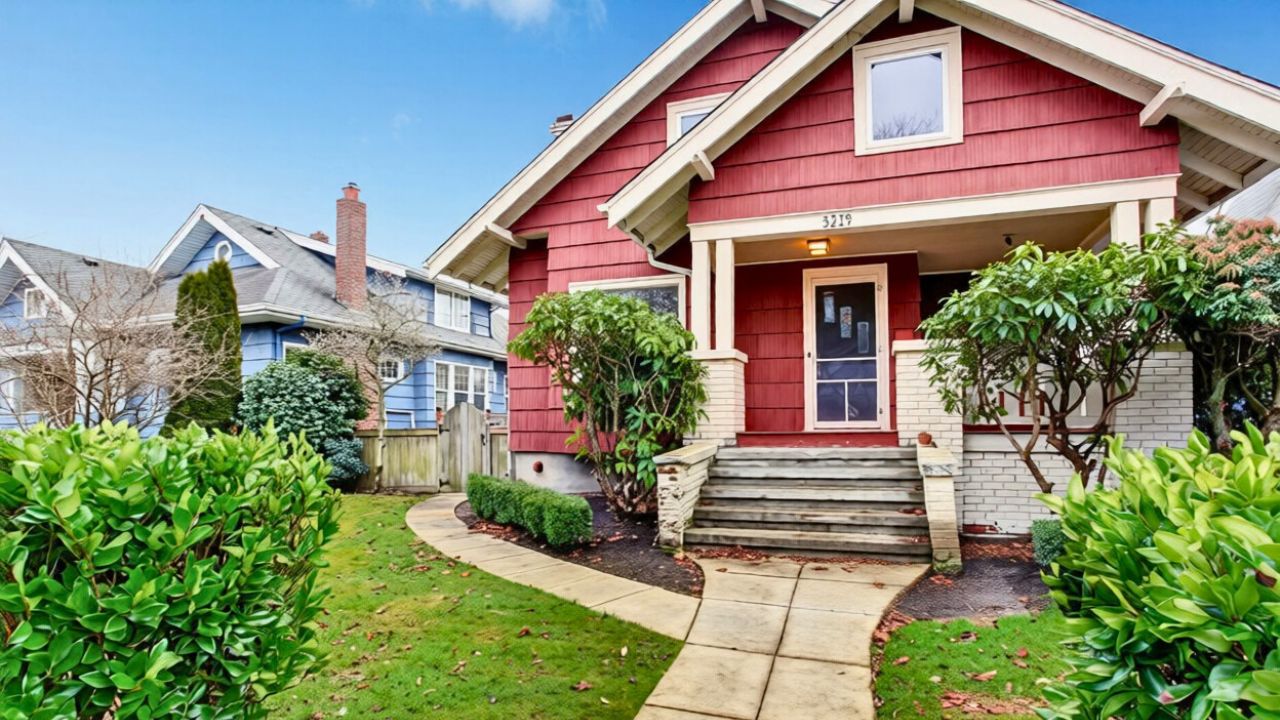
Older houses do not just creak more when life gets hectic, they absorb stress differently at a structural level. Age changes how wood, masonry, and metal respond to load, moisture, and temperature, and those shifts mirror what happens in an aging body under chronic pressure. If you understand why an older home reacts the way it does, you can anticipate problems, plan smarter upgrades, and protect both the building and the people who want to age in place inside it.
The hidden “physiology” of an aging house
You tend to think of a house as static, but its structure behaves more like a living system that adapts, compensates, and eventually wears down. Over decades, foundations settle, framing dries and shrinks, and connections loosen, which changes how the building distributes everyday loads from wind, snow, and occupancy. That is why a minor roof leak or a small crack in a 90‑year‑old wall can signal a deeper shift in load paths that would barely register in a newer build.
Researchers who study how your body responds to pressure describe aging as a gradual change in physiological stress systems, with reduced flexibility and slower recovery after each hit. An older home shows a similar pattern. Timber that has cycled through decades of humidity and temperature swings becomes more brittle, so it no longer rebounds the way fresh lumber does. Masonry joints dry out and lose their ability to flex, which makes brick walls more likely to crack instead of quietly absorbing movement. The structure still responds to stress, but it does so with less margin for error and less capacity to bounce back.
Why older structures “feel” every new stress more intensely
As a building ages, the baseline level of strain it carries tends to rise, so each new stressor lands on a system that is already working harder. Long‑term roof loads, minor water intrusion, and small DIY alterations all accumulate, leaving less reserve strength for the next storm or renovation. That is why a heavy snowfall that a 5‑year‑old roof shrugs off can trigger sagging or leaks in a roof that has been quietly compromised for decades.
In human terms, researchers have found that chronic pressure and health problems stack up in later life, so older adults face more frequent and more intense stressful events, including health shocks documented by teams such as Dumitrache and Ong. The body’s stress response becomes less efficient, which means each new challenge can have a bigger impact. An older home behaves in a parallel way. Once framing has deflected slightly, or a foundation has settled unevenly, every additional load, from a new tile roof to a filled attic, is acting on a system that has already used up part of its safety buffer. You are not just dealing with the latest stress, you are dealing with the sum of all the previous ones.
The roof: where age, weight, and design collide
The roof is often where you see age‑related vulnerability most clearly. In older houses, rafters and beams may have weakened over time, so the roof plane can start to sag even under ordinary loads. When you add modern materials, such as heavier architectural shingles or solar panels, you are increasing the weight on a framework that might never have been designed for it. That mismatch between original design and current expectations is a major reason older roofs react so dramatically to storms, ice dams, or even routine maintenance.
Roofing specialists who work on historic properties warn that older homes often hide structural issues, from undersized rafters to compromised ridge beams, that only become obvious when you try to replace the covering. If you simply swap in heavier products without reinforcing the underlying structure, you can accelerate sagging and cracking, much like asking an aging knee to carry more weight without strengthening the surrounding muscles. A careful assessment of load paths, connection points, and wood condition is not a luxury in this context, it is the only way to keep the roof from failing under stress it was never meant to bear.
Adaptive reuse and performance upgrades: giving old buildings new resilience
When you adapt an older building for new uses, you are effectively rewriting its stress story. Converting a warehouse into apartments, or a large single‑family home into multiple units, changes how loads move through floors, walls, and services. Done well, that process can actually make the structure more resilient, because you are not just adding new finishes, you are upgrading how the building performs under fire, seismic, and everyday service conditions.
Researchers who evaluate historic properties for new life have found that other performance upgrades, such as strengthening lateral systems or improving thermal envelopes, can deliver significant benefits when you prioritize the right interventions. The key is to treat the building like an aging organism that needs targeted support, not a blank slate. Reinforcing key structural elements, improving fire resistance, and modernizing mechanical systems can reduce the day‑to‑day strain on the fabric of the building. That way, when a major stressor arrives, from an earthquake to a heat wave, the older structure has more capacity to cope instead of failing at its weakest point.
When the house itself becomes a source of stress
The way an older home responds to physical stress does not just affect the building, it affects you. Drafty rooms, steep stairs, and cramped bathrooms can turn routine tasks into daily hazards as you age, especially if the structure cannot easily accommodate basic safety upgrades. Over time, that mismatch between your needs and your environment can become its own chronic stressor, raising the stakes for every loose handrail or dim hallway.
Researchers studying mental health in later life have found that the physical environment plays a measurable role in mood and well‑being. One study on the association between home modifications and depression reported that, as individuals age, their living environments often become inadequate to meet evolving demands, a point highlighted in the study’s Abstract and Background. When an older house cannot be easily adapted, you may feel trapped by stairs you fear falling down or bathrooms you cannot safely use. In that sense, the building’s limited ability to absorb change feeds directly into your own stress load, creating a feedback loop between structural strain and emotional pressure.
Like Fix It Homestead’s content? Be sure to follow us.
Here’s more from us:
- I made Joanna Gaines’s Friendsgiving casserole and here is what I would keep
- Pump Shotguns That Jam the Moment You Actually Need Them
- The First 5 Things Guests Notice About Your Living Room at Christmas
- What Caliber Works Best for Groundhogs, Armadillos, and Other Digging Pests?
- Rifles worth keeping by the back door on any rural property
*This article was developed with AI-powered tools and has been carefully reviewed by our editors.