The breaker panel issue buyers notice before anything else
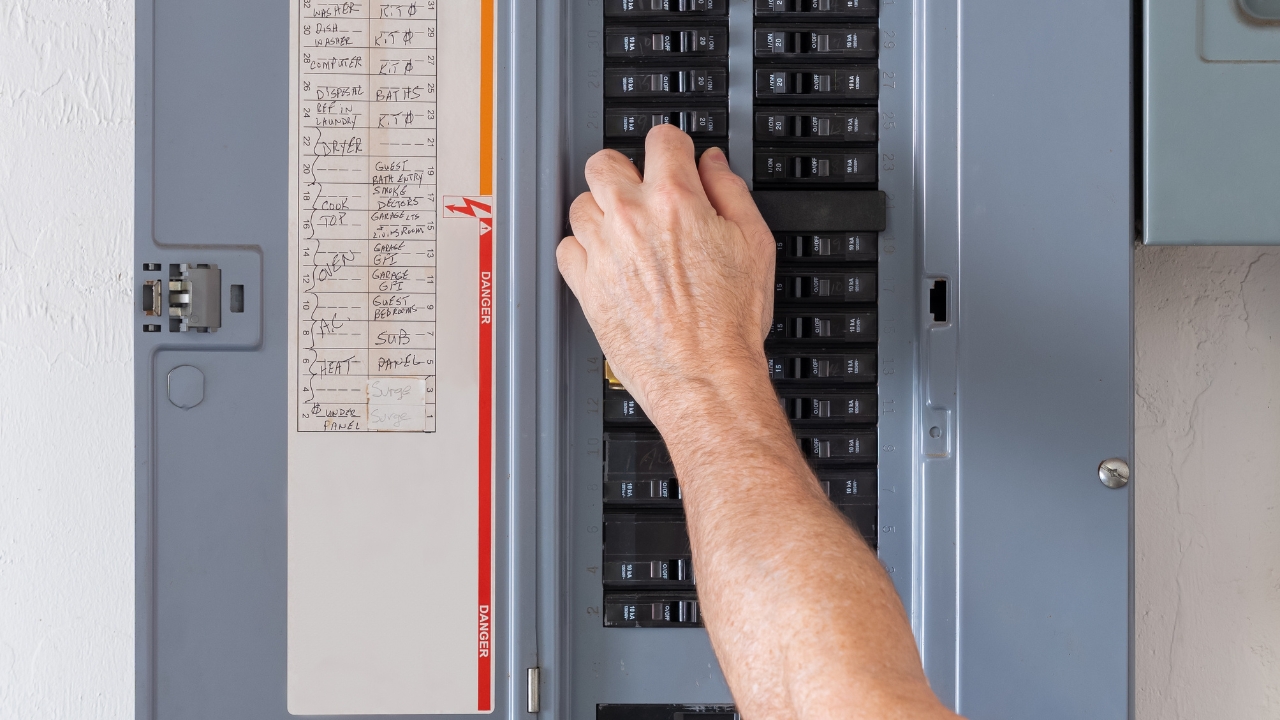
When you walk through a house as a buyer, you might be admiring the kitchen or checking closet space, but the first hard stop for many inspectors and underwriters is the breaker panel. That gray metal box quietly decides whether the home is safe to insure, finance, and live in. If it raises questions, everything from your offer price to your closing date can suddenly be at risk.
Because of that, the panel becomes the issue you notice before anything else, even if you do not realize it yet. The brands stamped on the door, the size of the service, and the condition of the breakers all send signals about fire risk, upgrade costs, and how modern the home really is behind the walls.
Why the panel jumps to the top of your worry list
You may assume that if the lights turn on, the electrical system is fine, but buyers and lenders look at the panel as the home’s risk dashboard. Certain brands have a documented history of breakers that fail to trip, which can allow wiring to overheat and start fires. Panels from Challenger, including units that were rebranded under Eaton and Cutler, fall into that category, which is why you see them flagged in inspection reports and questioned by insurers.
Beyond brand names, you also face scrutiny over whether the service is big enough for modern loads. Guidance for buyers singles out an undersized 60-amp service as a major red flag, since it does not match the way you run air conditioning, electric vehicles, or even a house full of electronics. In one first-time buyer discussion, a home that only supported up to 60 amps immediately triggered questions about what you should ask the seller to do, because upgrading that infrastructure is not a cosmetic tweak, it is a major project.
The specific brands and labels buyers quietly fear
Once you open the panel door, you are not just looking at wires, you are scanning for names that have become shorthand for trouble. Breaker panels from brands such as Federal Pacific Electric, have a well documented history of failure and a significantly higher risk of fire, which is why electricians often advise replacement rather than repair. In one seller’s story, buyers pushed for a full panel swap because the equipment involved Federal Pacific and the related Stab Lok design, which had even been accused of falsely applying UL labels as certification that it met the applicable standard, according to a discussion of Federal Pacific and.
Buyers and inspectors also pay close attention to whether the breakers and panel carry a legitimate safety mark. The UL symbol matters because it signals that the equipment was evaluated against defined limits, and resources explaining what UL listed means help you understand why that tiny logo influences big lending decisions. At the same time, you learn from the Consumer Product Safety Commission that even listed equipment can run into trouble later, as shown when a recall of 1.4 was issued because of thermal burn and fire hazards, and when the agency closed its investigation into FPE breakers while still providing safety information for. You end up treating the name on the panel and the presence of a trustworthy listing mark as early filters before you even think about making an offer.
Warning signs you cannot ignore once you open the door
Even if the brand checks out, the condition of the panel gives you immediate clues about how the system has been treated. Electricians spell out Warning Signs Your is Failing, and they start with behavior you probably already see. Frequent Breaker Trips are described bluntly, with the reminder that, Honestly, this is not just an annoyance, it is a cry for help from an overloaded or deteriorating system. When you see that pattern during a showing, you are not just thinking about resetting a switch, you are mentally adding the cost of a new main breaker panel replacement.
Sensory clues matter as well. Any Burning smell near the panel is a serious warning, especially if you see Scorch marks, melted plastic, or discolored metal, because those signs point to heat that can quickly escalate into electrical fires. Homeowner guides to early warning issues tell you not to treat those clues as cosmetic blemishes. Instead, you should see them as non negotiable reasons to bring in a licensed contractor, such as the teams behind the detailed Electrical Panel Problems guidance, before you move forward.
How lenders and insurers turn panel issues into deal breakers
Even if you are comfortable taking on a risky panel, your lender and insurer may not be. Stories from buyers show underwriters stalling approvals based on requests for electrical inspections, with one buyer venting that require the buyer to pay for their own and the lender’s title insurance while the bank focuses on protecting its interests. In practice, that means if the inspector calls out a Federal Pacific Electric panel or a 60-amp service, your financing can be conditioned on replacement, no matter how much you like the house.
You see the same dynamic when buyers push sellers to replace older or suspect panels as part of the negotiation. One seller facing a request to swap out a panel with Federal Pacific and Stab Lok components learned that the buyer’s concern was not just personal preference, it was tied to the perception that these breakers might not trip regardless of how high the current loading was, which raised questions about fire risk and resale value. When you understand how Top safety standards and Government Safety Warnings influence underwriting, you start to see why your agent and inspector tell you to get the panel situation clarified before you worry about paint colors.
What you should ask, test, and plan before you commit
Once you realize how much weight the panel carries, you can approach it with a checklist instead of vague anxiety. Start by asking your inspector to identify the brand, the service size, and any obvious red flags like double tapped breakers or missing covers, which are among the 10 common mistakes DIYers make in breaker boxes. If the panel is from Challenger, Eaton, Cutler Hammer, Federal Pacific Electric, FPE, Zinsco, or another brand with documented issues, you can get quotes for replacement and bake that into your offer strategy.
You also want to connect what you see at the panel to how the home behaves day to day. Resources listing 7 WARNING SIGNS REPLACE your electrical service panel highlight patterns like breakers tripping when you run Air conditioning, lights dimming when large appliances start, or high utility bills that hint at inefficiency. If those issues line up with a small or outdated panel, you can assume you will be paying for an upgrade sooner rather than later. When you combine that with the guidance that Electrical Panel Problems often require professional evaluation, and you see companies like Black Rhino Electric promoting Don Get Shocked level education across channels such as Discovered Don, Discovered Don, and Discovered Don, you appreciate that this is not a niche concern. The more you front load that homework, the more confidently you can decide whether a home’s breaker panel is a manageable project or the first sign you should keep looking.
Like Fix It Homestead’s content? Be sure to follow us.
Here’s more from us:
- I made Joanna Gaines’s Friendsgiving casserole and here is what I would keep
- Pump Shotguns That Jam the Moment You Actually Need Them
- The First 5 Things Guests Notice About Your Living Room at Christmas
- What Caliber Works Best for Groundhogs, Armadillos, and Other Digging Pests?
- Rifles worth keeping by the back door on any rural property
*This article was developed with AI-powered tools and has been carefully reviewed by our editors.