The breaker panel rule that applies the moment you add a new outlet
Adding a single outlet can feel like a tiny upgrade, but the moment you touch that receptacle, a major breaker panel rule can kick in. Modern electrical codes treat any extension of a circuit as new work, which means you may have to bring the entire run up to current protection standards instead of simply tying into whatever is already there.
Understanding when that trigger applies, and what it demands at the panel, is now as important as knowing how to strip a wire or size a box. If you ignore it, you risk failing inspection, voiding insurance coverage, or leaving your home without the arc fault and ground fault protection that current safety research expects.
The code trigger: why one new outlet can change the whole circuit
The key rule that comes into play when you add a receptacle is that you are no longer dealing with a purely “existing” circuit. Once you extend a branch circuit, current editions of the National Electrical Code treat that work as new, and that can require updated protection at the breaker panel. Guidance based on the 2014 and later code cycles points to section 210.12, which specifies where arc fault protection must be provided, and it does not carve out an exception just because the original wiring is older.
In practice, that means if you tap an older bedroom or living room circuit to feed a new receptacle, you may be required to add an Arc Fault Circuit Interrupter, or AFCI, at the panel even if the existing breaker is a standard thermal magnetic type. Code interpretations discussed in professional forums make it clear that once you add a receptacle on a circuit covered by 210.12, the circuit is expected to have AFCI protection, often through a new breaker or a listed device at the first outlet. The rule is not about how many outlets you have, it is about whether the circuit now counts as work under the current code.
What 210.12 actually demands at your breaker panel
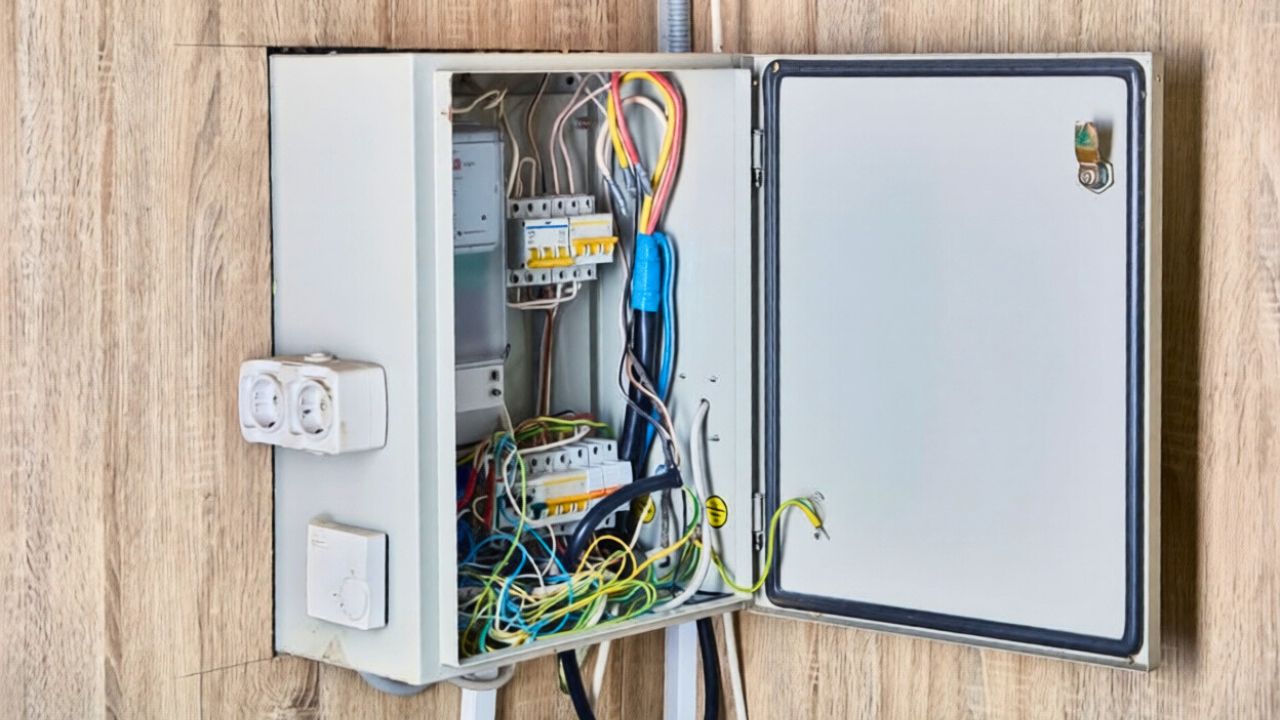
Section 210.12 is the backbone of the modern arc fault requirement, and it is written to push protection back to the origin of the branch circuit, which is usually your breaker panel. Under recent code language, many habitable rooms must be supplied by circuits with AFCI protection, and that protection is typically provided by an AFCI breaker or a listed outlet branch circuit device. Updates previewed for the 2026 code cycle note that 210.12(E) will explicitly allow outlet branch circuit AFCIs to be installed at the first outlet or switch, rather than only at the panel, but the underlying requirement for arc fault protection on those circuits remains in place.
For a homeowner, the practical effect is straightforward. If you extend a qualifying circuit, you either install an AFCI breaker in the panel or, where permitted, use an outlet type device at the first receptacle on that run so the entire downstream wiring is protected. Industry overviews of the upcoming NEC changes emphasize that the code is not relaxing arc fault coverage, it is simply giving more flexibility in where you locate the protective device. The breaker panel is still the default control point, and inspectors will look there first to confirm that any circuit you have just extended now complies with 210.12.
How AFCI and GFCI rules stack when you extend a circuit
Once you accept that adding an outlet can trigger 210.12, the next question is how that interacts with ground fault requirements. The National Electrical Code now expects both AFCI and GFCI protection in certain locations, particularly where shock and fire risks overlap. Manufacturer guidance summarizing the latest code language notes that the National Electrical Code requires both AFCI and GFCI protection in kitchens and laundry rooms, and that requirement applies not only to the original circuit but also to extensions attached to the load side.
That layered approach shows up across the dwelling. Detailed breakdowns of the 2023 code list locations that must have GFCI protection, including Bathrooms, Garages and accessory buildings, Outdoors, Crawl spaces at or below grade, Basements, and the Kitchen. Separate municipal summaries of residential updates add specific appliances to that list, identifying Specific devices such as GFCI protected Sump pumps, dishwashers, electric ranges, wall mounted ovens, and counter mounted cooking units. When you add an outlet that serves any of these areas or appliances, you are expected to meet both the arc fault and ground fault rules that now apply to that space.
Panel upgrades, AFCI costs, and what inspectors really look for
Because the breaker panel is where you implement most of these protections, homeowners often assume that any panel work automatically forces a full AFCI retrofit. Trade discussions clarify that this is not always the case. One widely cited explanation notes that AFCI and GFCI breakers are not automatically required for a plain panel swap, and that the need for upgrades depends on the scope of other work. However, the same guidance stresses that the Authority Having Jurisdiction, often shortened to AHJ, can require additional protection if you are also extending circuits or adding outlets as part of the project.
Professional organizations that field questions from electricians echo that nuance. One frequently discussed scenario asks, Are AFCI breakers required when replacing a panel in a residential home, and the answer points back to whether the work includes new or extended branch circuits in areas now covered by 210.12. If you are simply moving existing conductors to a new enclosure, some jurisdictions allow you to leave older non AFCI breakers in place. The moment you add a new outlet on a bedroom or similar circuit, however, inspectors can insist that you install AFCI protection as part of that same permit, because the circuit is no longer grandfathered.
Load limits, breaker ratings, and why “one more outlet” is not just about code
Even if you satisfy the arc fault and ground fault rules, you still have to respect the capacity of the breaker and the circuit you are extending. Consumer facing guidance on residential wiring notes that the electrical code does not set a hard cap on the number of outlets per circuit, and that One 15 amp circuit can supply up to 600 square feet in a typical layout. That flexibility does not mean you can ignore load calculations. Practical advice shared in homeowner groups stresses that you should determine the total amp hours for all devices on the circuit, applying the standard demand factors, before you decide that the existing breaker can safely handle another receptacle, a point illustrated in a discussion where Will Zeober walks through sizing a breaker based on connected loads.
On top of that, you have to remember how breakers are actually rated. Technical guidance from equipment manufacturers explains that a typical breaker is designed as an 80% standard rated device, which means it can only be applied continuously, defined by the NEC as three hours or more, at 80 percent of its continuous current rating. In practical terms, a 20 amp breaker should not be loaded beyond 16 amps for continuous use. When you add a new outlet that will serve something like a space heater or a bank of computer equipment, you are not just adding a box and a faceplate, you are potentially pushing that breaker closer to its continuous limit. The safest approach is to treat the code trigger for AFCI and GFCI as the starting point, then confirm that the underlying circuit and breaker can actually support the new demand without nuisance trips or overheating.
Like Fix It Homestead’s content? Be sure to follow us.
Here’s more from us:
- I made Joanna Gaines’s Friendsgiving casserole and here is what I would keep
- Pump Shotguns That Jam the Moment You Actually Need Them
- The First 5 Things Guests Notice About Your Living Room at Christmas
- What Caliber Works Best for Groundhogs, Armadillos, and Other Digging Pests?
- Rifles worth keeping by the back door on any rural property
*This article was developed with AI-powered tools and has been carefully reviewed by our editors.