The caliber choice that works on paper but makes real-world pest control frustrating
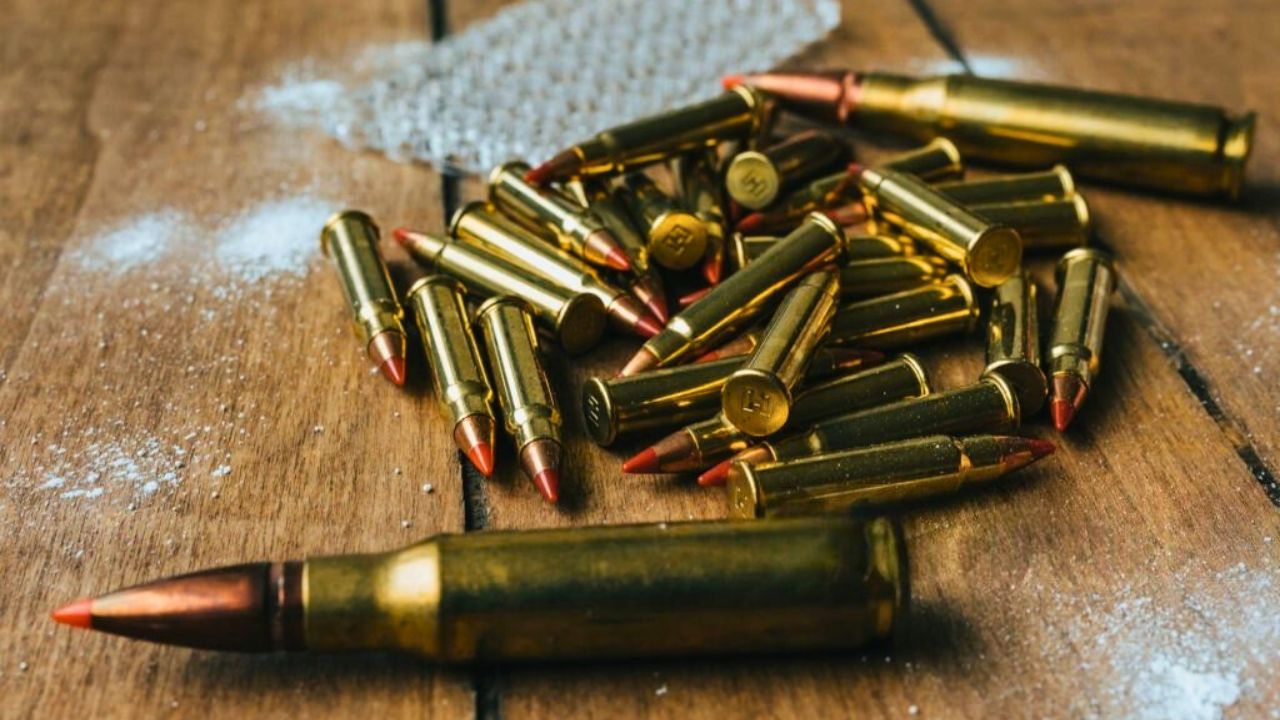
You can pick a rimfire that looks perfect on a ballistics chart and still end up cursing it when a raccoon refuses to leave your attic or a coyote limps off into the brush. The .17 HMR is the classic example of a caliber that shines on paper, with flat trajectory and tiny groups, yet often leaves you frustrated when the job is real-world pest control instead of leisurely target shooting. To understand why, you have to look past the numbers and focus on how this cartridge behaves when you are dealing with live, tough animals in messy conditions.
The seductive logic of the .17 HMR on paper
On a spec sheet, the .17 HMR looks like the clever choice for anyone who wants precision and minimal recoil. You see a small, high velocity bullet that promises a flat arc, light report, and almost no kick, which makes it easy to shoot accurately and quickly. When you are comparing calibers at the gun counter, that combination can feel like the smart, modern answer to every small game and pest problem you face around the property.
Advocates point out that these .17 caliber cartridges share a common design philosophy, using light bullets at high speed to deliver clean hits on small targets, a pattern that is highlighted in detailed breakdowns of predator-hunting 17 caliber rifle pros and cons. On paper, that means tight groups, impressive energy figures at modest ranges, and a trajectory that lets you hold dead-on without much mental math. The problem is that paper targets do not move, do not soak up marginal hits, and do not climb back into your soffits after dark.
Why tiny groups do not guarantee clean kills
When you are shooting pests, the goal is not just accuracy, it is reliable terminal performance on a living animal that may be quartering away, moving, or partially obscured. The .17 HMR can drill tiny clusters on cardboard, but its light bullets are unforgiving of imperfect shot placement and marginal angles. If you are trying to anchor a raccoon on a roofline or a coyote slipping through tall grass, the difference between a perfect broadside and a hurried shot is the difference between a quick recovery and a wounded animal you may never find.
Even fans of the cartridge acknowledge that its strengths are most obvious when you are simply punching paper or engaging small, unobstructed targets, a point echoed in forum debates where shooters admit that a .17 is “fun” when you just want something to make tiny holes at the range, but less compelling when the use case shifts to messy field work. One detailed discussion of whether to choose .22 WMR or .17 HMR notes that if you only care about punching paper with tiny holes, the smaller caliber is a blast, yet that same thread concedes that real animals introduce angles, bone, and fur that complicate the picture.
Wind, distance, and the unforgiving nature of light bullets
Once you step out of the calm, controlled environment of a benchrest session, the .17 HMR’s biggest liability shows up quickly: wind. Those featherweight projectiles are easily pushed off course, so a breeze that barely nudges a heavier .22 bullet can shove a .17 into the shoulder instead of the vitals. If you are trying to solve a coyote problem across a pasture or hit a nest predator on the edge of a field, that sensitivity turns a seemingly easy shot into a gamble.
Experienced shooters who like the cartridge still warn that wind is its “enemy” at extended ranges, even if it behaves acceptably inside the first 100 yards when conditions are mild. Broader overviews of coyote calibers underline the same point, noting that the biggest downside of lightweight projectiles is their vulnerability to drift and that, since .17 HMR bullets do not weigh much, they are more easily blown off target. On a chart, the trajectory looks beautifully flat, but in a gusty pasture you are suddenly holding off fur and hoping the wind does not change in the half second before the shot breaks.
Raccoons, coyotes, and the reality of tough pests
Real-world pest control is not about theoretical energy numbers, it is about how a cartridge performs on animals that are tougher than they look. A raccoon raiding your attic or chicken coop is not a delicate target, it is a compact, muscular animal that can soak up punishment and still climb, bite, and run. Wildlife control professionals stress that a raccoon is a “totally different story” from insects, which are handled with sprays or poison, and that these animals are not only destructive but also carriers of a lot of disease, which raises the stakes for clean, decisive kills.
That is why some seasoned hunters gravitate toward slightly heavier rimfires or even centerfire options when they are dealing with nest predators and mid-sized varmints. In one widely watched video, a landowner named Sep talks about having an overabundance of Nest Predators and jokes that some would say there is an overabundance of Magnum Rimfire rifles in his safe, as he weighs whether a Henry in .22 Mag or .17 HMR is best for raccoons. His on-camera testing of a Henry 22 Mag or 17 HMR on raccoon-sized targets underscores the tension between wanting a flat-shooting, accurate round and needing enough bullet weight and construction to punch through bone and muscle when the shot is less than perfect.
Forum wisdom: when the .22 LR quietly outperforms
If you read through enough shooter forums, a pattern emerges: people who have spent years controlling pests around barns and backyards often end up back with a good .22 LR. The logic is simple. A quality .22 rifle is accurate, affordable to feed, and offers a wide range of bullet designs that can be matched to the job, from subsonic hollow points for discreet backyard work to high velocity loads for slightly longer shots. For many practical pest tasks, that versatility matters more than the glamorous ballistics of the .17 HMR.
One experienced contributor identified as a Master Loader summed it up bluntly in a discussion comparing .17 HMR and .22 LR, arguing that a quality .22 rifle will do better for many purposes and that the .22 is very accurate from a good rifle. That kind of comment does not come from a spec sheet, it comes from nights spent spotlighting pests, tracking blood trails that peter out, and learning that a slightly slower, heavier bullet that penetrates consistently can be more valuable than a hyper-fast, fragile one that looks impressive in a catalog.
Overrated cartridges and the hype cycle
The .17 HMR has also become a case study in how certain cartridges ride a wave of hype that outpaces their practical utility. In online threads dissecting the most overrated rounds, you see shooters comparing notes on calibers that looked brilliant when they were launched but turned out to be niche tools rather than universal solutions. The .17 HMR often appears in those conversations as a round that is fun, accurate, and impressive in the right context, yet oversold as a do-everything rimfire.
One such discussion, framed around the “10 most overrated cartridges,” features a user profile that lists Messages 14,572 and Likes 29,966, a reminder that the people weighing in have logged thousands of posts and years of range time. When those voices caution that certain calibers look better on paper than they perform in the field, they are not dismissing the engineering, they are pointing out that marketing and early enthusiasm can obscure the limits you only discover after missing or losing animals in real conditions.
Trajectory, theory, and the limits of “flat shooting”
Part of the .17 HMR’s appeal is its trajectory, which is undeniably flatter than many traditional rimfires at typical varmint distances. A flat path simplifies your holdover and can make you feel more confident stretching shots across a pasture or orchard. In theory, that means fewer mental calculations and a higher chance of connecting with a small target, especially if you are used to the looping arc of standard .22 LR loads.
Yet experts who study ballistics for big game remind you that trajectory is only one piece of the puzzle. As one detailed analysis of caliber choice explains, Trajectory matters, but so does wind drift and the bullet’s ability to carry enough energy and penetrate effectively. That logic scales down to pest control. A cartridge that flies flat but gets shoved by the wind or fragments too quickly on bone can leave you with wounded animals and long nights, which is why a slightly more arcing round that resists drift and holds together on impact can be the more humane and less frustrating choice.
When the .17 HMR shines, and when it does not
None of this means you should write off the .17 HMR entirely. It can be a superb tool when you are targeting small varmints like ground squirrels or prairie dogs in relatively calm conditions, where its accuracy and explosive terminal effect on tiny bodies are genuine assets. In those roles, the cartridge’s strengths line up neatly with the demands of the job, and the gap between paper performance and field reality narrows considerably.
Problems arise when you stretch that role into heavier, tougher pests or more chaotic environments. Even hunters who enjoy the cartridge acknowledge that its sweet spot is limited, and that once you start asking it to handle larger predators or windy, longer shots, its weaknesses become hard to ignore. Some of the same voices who praise its precision also concede in threads about deciding between 22 WMR and 17 HMR that the smaller caliber can make an unnecessary mess on tiny animals yet still feel marginal on bigger ones, a frustrating combination when you are trying to standardize on one rimfire for all your pest work.
Choosing a caliber that matches your actual pest problems
If you want to avoid the trap of a caliber that looks perfect in theory but disappoints in practice, you have to start with your real pest problems instead of the ballistics chart. List the animals you actually deal with, from rats and squirrels to raccoons and coyotes, and be honest about the distances, backstops, and wind conditions you face. Then match bullet weight, construction, and velocity to those realities, rather than chasing the flattest trajectory or the smallest group size you have ever shot on a calm day at the range.
That might mean accepting that a humble .22 LR or a more traditional magnum rimfire is a better fit than the flashy .17 HMR, especially if you are working around buildings, livestock, or neighbors where overpenetration and ricochet risk also matter. It might also mean keeping the .17 as a specialized tool for specific varmint tasks while relying on other calibers for raccoons, coyotes, and similar hardier pests. The key is to recognize that the round that dazzles you on paper targets is not always the one that will quietly, consistently solve the problems that keep you up at night.
Like Fix It Homestead’s content? Be sure to follow us.
Here’s more from us:
- I made Joanna Gaines’s Friendsgiving casserole and here is what I would keep
- Pump Shotguns That Jam the Moment You Actually Need Them
- The First 5 Things Guests Notice About Your Living Room at Christmas
- What Caliber Works Best for Groundhogs, Armadillos, and Other Digging Pests?
- Rifles worth keeping by the back door on any rural property
*This article was developed with AI-powered tools and has been carefully reviewed by our editors.