The charging habit that overheats batteries at night and what to do instead
Smartphones are built to survive long days, but the way you charge them at night can quietly shorten their lifespan. The most damaging habit is not simply leaving the cable plugged in, it is letting the battery sit at a hot, packed 100 percent for hours while you sleep. If you change how and where you charge overnight, you can wake up to a full battery without cooking it in the process.
The nighttime habit that quietly cooks your battery
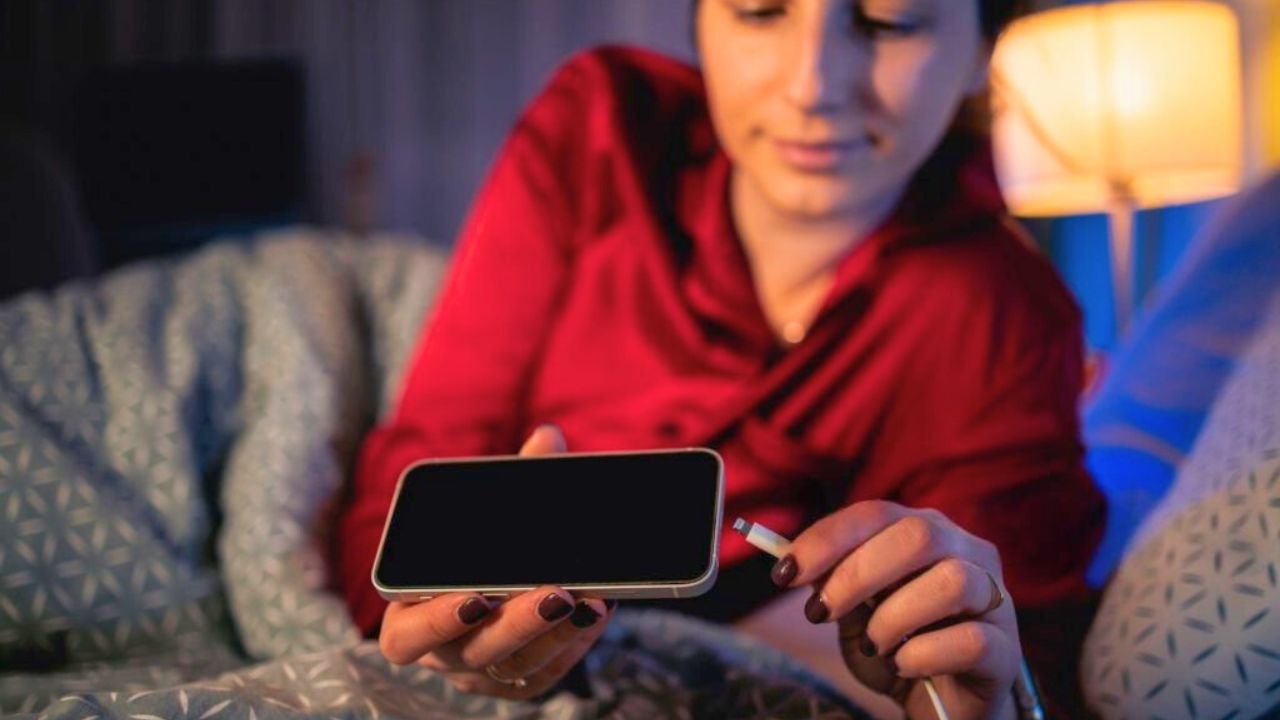
The real problem with overnight charging is not the clock, it is the combination of a full battery, trapped heat, and zero supervision. When you plug in at bedtime and do not touch the phone again until morning, the battery often reaches 100 percent quickly, then spends the rest of the night hovering near full while the charger and internal electronics keep cycling. That long plateau at the top of the gauge is when lithium cells are under the most stress, and if the phone warms up on top of that, you are stacking two major wear factors at once.
Modern phones are designed to avoid catastrophic overcharging, but they cannot defy chemistry. Guidance on battery wear explains that keeping a device pinned at 100 percent, instead of letting it move through shallower charge cycles, accelerates degradation over time. Other experts on the impact of overnight charging warn that the constant trickle of energy and heat while you sleep can slowly fracture battery materials, especially if the phone is covered by bedding or wedged under a pillow.
Why heat is the real enemy of battery health
Every lithium battery has a comfort zone, and your phone’s is cooler than most bedrooms get when the device is buried in blankets. Heat speeds up the chemical reactions inside the cell, which might feel like faster charging in the moment but translates into permanent capacity loss over months and years. When you charge overnight on a soft mattress or couch, the phone’s body cannot shed warmth efficiently, so the temperature rises even if you are using a modest charger.
Guidance on poor phone ventilation notes that soft materials block airflow and trap heat, which is why charging on a bed or under a pillow is particularly risky. A separate breakdown of the reasons behind phone overheating while charging highlights fast charging and poor ventilation as key drivers of temperature spikes. When you combine those factors with a long, unattended session at night, you create the perfect conditions for the battery to run hotter than it should for far longer than it should.
How overnight charging strains modern lithium cells
Even if your phone never gets uncomfortably hot to the touch, the way you charge it still shapes how long the battery feels fresh. Lithium cells prefer partial charges, not the deep 0 to 100 percent swings that come with plugging in at 2 percent and leaving the device on the charger until morning. When you repeat that pattern every night, the battery spends a lot of time at both extremes, which gradually erodes its ability to hold energy.
Technical explainers on battery behavior emphasize that shallow top ups are kinder to the chemistry than full cycles from nearly empty to completely full. Advice on phone charging tips goes further, recommending that you keep your battery between 20 percent and 80 percent whenever possible, because that middle band reduces stress on the electrodes. When you leave the phone plugged in all night, you are effectively choosing the opposite pattern, holding the charge at the upper limit for hours and forcing the system to keep managing that high state of charge.
The role of fast chargers, cables, and accessories
Not all charging gear treats your phone equally, especially when you leave it unattended for long stretches. High wattage bricks and cheap third party cables can push more current than your battery comfortably needs, which translates into extra heat inside the phone and at the connector. If you combine that with a case that insulates the back of the device, the temperature can climb quickly before any safety system has a chance to intervene.
Guides to the role of charging accessories warn that low quality adapters and cables may lack proper regulation, which increases the risk of damage to your phone’s battery during long sessions. A separate list of reasons behind phone overheating while charging singles out fast charging as a major contributor to heat buildup, especially when the phone is resting on a surface that blocks its ventilation areas and ports. If you are going to charge overnight at all, using a slower, reputable charger and a certified cable is one of the simplest ways to reduce the thermal load.
What your phone is already doing to protect itself
Phone makers know you are likely to plug in before bed, so they have quietly built in features to soften the blow. Many devices now monitor your daily routine and delay the final stretch of charging so the battery does not sit at 100 percent for hours. Instead, the system pauses around a lower level, then tops up closer to the time it expects you to wake, which cuts down on the high voltage exposure that wears cells out faster.
On iPhone, Apple describes optimized battery charging that learns your schedule and holds the charge around 80 percent until you need it, specifically to reduce aging. Guidance on protecting your iPhone’s battery while you sleep explains that you can use Sleep Focus settings to control when the phone charges and to avoid placing it under blankets where airflow is minimal. Android manufacturers offer similar adaptive charging modes, but they still rely on you to give the phone a safe, cool place to rest and to avoid accessories that generate unnecessary heat.
The 20 to 80 percent rule and why it matters at night
If you want a simple rule that aligns with how lithium batteries age, aim to keep your nightly charge within the middle of the gauge. Battery specialists often point to the 20 to 80 percent window as a sweet spot where the cell is neither deeply discharged nor pushed to its voltage ceiling. That range is especially useful overnight, because it lets you plug in without forcing the battery to sit at its most stressful state for half the night.
One detailed guide to phone charging tips calls the most important habit keeping your phone’s battery between 20 percent and 80 percent charged, noting that this simple practice can significantly extend longevity. A discussion of the most optimal charging practice goes even further, suggesting you never go below 20 percent and never go over 80%, while acknowledging that this is not awfully practical for everyone. You do not need to obsess over every percentage point, but if you can time your evening top up so the phone hits the mid or high 90s right before you wake, rather than at midnight, your battery will thank you.
Where you charge: surfaces, rooms, and airflow
Even if you keep the charge level reasonable, the surface you choose at night can make or break your battery’s long term health. Charging on a hard, open table lets heat escape, while charging on a pillow, sofa arm, or under a comforter traps warmth around the phone’s body. That trapped heat does not just make the device uncomfortable to touch, it also raises the internal battery temperature, which accelerates wear and can, in extreme cases, trigger thermal throttling or shutdowns.
Advice on placing your phone on insulating surfaces stresses that the location where you charge matters immensely, because soft materials act as insulators rather than heat sinks. A separate analysis of why phones overheat when charging overnight notes that leaving your device plugged in on such surfaces is a common cause of temperature spikes and long term damage. The fix is straightforward: move your charger to a bedside table or desk, keep the phone uncovered, and avoid stacking books or other objects around it that could block airflow.
Smarter routines that still give you a full battery
You do not have to give up the convenience of waking up to a charged phone to protect your battery, you just need to be more deliberate about timing and settings. One option is to plug in earlier in the evening, let the phone reach a comfortable level, then unplug before bed so it is not tethered for eight straight hours. Another is to use built in scheduling tools or smart plugs to control when power flows to the charger, so the device only tops off in the last stretch of the night.
Experts who explain how to delay battery degradation when charging overnight suggest you plan your nighttime charging so it will be full before you sleep, rather than hours before you wake. Other guidance on why you should not leave your phone charging all night argues that even a small alteration in your routine, such as shifting the plug in time or enabling adaptive charging, can have a significant impact on long term health, a point underscored in advice on overnight charging dangers. If you combine those tweaks with a cooler charging spot and a slower brick, you can keep your morning battery anxiety in check without sacrificing years of usable capacity.
Red flags that your phone is overheating at night
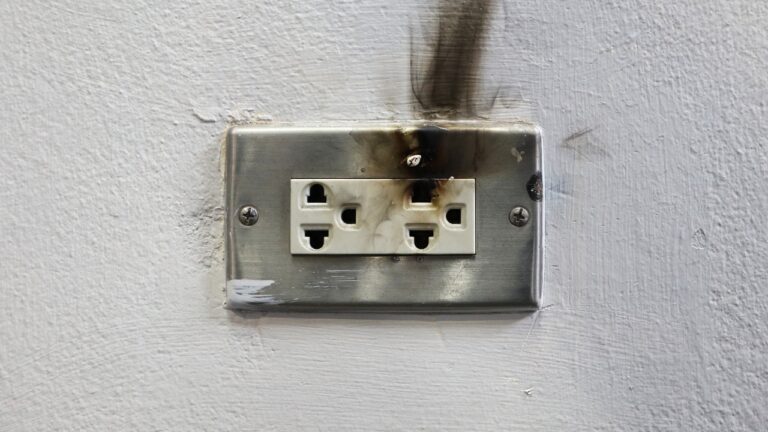
Even with better habits, you should pay attention to what your phone is telling you while it charges. If you pick it up in the morning and it feels hot instead of just warm, that is a sign the overnight setup is not working. Frequent battery warnings, sudden drops in percentage, or the device throttling performance after long charges are all clues that heat is taking a toll behind the scenes.
Guides that lay out key takeaways on overheating note that temperature spikes during charging are common but manageable if you address the underlying causes, such as heavy background apps, blocked vents, or faulty cables. A detailed look at why your phone overheats when charging overnight points out that leaving it plugged in for hours is a major contributor, especially when combined with insulating surfaces and fast chargers. If you notice these warning signs, treat them as a prompt to rethink your nighttime routine rather than something to ignore until the battery swells or the phone shuts down unexpectedly.
Like Fix It Homestead’s content? Be sure to follow us.
Here’s more from us:
- I made Joanna Gaines’s Friendsgiving casserole and here is what I would keep
- Pump Shotguns That Jam the Moment You Actually Need Them
- The First 5 Things Guests Notice About Your Living Room at Christmas
- What Caliber Works Best for Groundhogs, Armadillos, and Other Digging Pests?
- Rifles worth keeping by the back door on any rural property
*This article was developed with AI-powered tools and has been carefully reviewed by our editors.