The “cheap cuts” that are rising fastest and why stew meat is suddenly pricey
Beef used to be the splurge you could still justify if you stuck to stew meat, ground chuck, or a family pack of round steaks. Now even those “budget” options are creeping into luxury territory, and the sticker shock is reshaping how you plan dinner. To understand why the cheapest cuts are climbing fastest, you have to follow the animal from pasture to meat case and watch how every constraint, from drought to demand, gets priced into that tray of cubes.
What looks like a simple jump in stew meat prices is really the end point of a long squeeze on cattle numbers, feed, processing, and retail strategy. Once you see how the economics of each primal cut work, you can start to predict which bargains are about to disappear, which lesser known steaks still offer value, and how to shop smarter without giving up the comfort of a slow-simmered pot of beef.
The supply squeeze that set beef prices on a new plateau
You are paying more for every part of the cow because there are fewer cattle behind the counter and each one costs more to raise. Analysts describe it as a textbook case of supply and demand, with a smaller herd colliding with steady appetite for burgers, roasts, and steaks. Industry data on beef and veal shows that prices have climbed together in recent years, reflecting a broad shift rather than a blip in one product line, and that shift is tied to a variety of structural pressures on the sector that are not fading quickly.
Those pressures start with the basic cost of turning calves into finished animals. Feed, fuel, and labor have all become more expensive, and collectively, beef and veal prices have responded to that reality. When ranchers face higher input costs and a tougher climate, they send fewer animals to market, which tightens supply further. By the time that scarcity reaches your grocery aisle, it shows up as a higher price per pound on everything from ribeye to stew cubes, even if the cheaper cuts still look relatively modest next to a premium steak.
Record-low cattle numbers and why they are hard to rebuild
The herd itself is historically small, and that scarcity is one reason you feel the pinch most sharply in the meat case. America is dealing with record-low cattle numbers, the result of years of drought and high feed costs that pushed ranchers to cull animals instead of expanding. When you shrink the base that far, every cut carved from each carcass becomes more valuable, because there are simply fewer carcasses to go around.
Rebuilding that supply is not as simple as flipping a switch. Industry experts point out that a major driver of the current tightness is the long biological cycle of cattle, where the industry tends to move through expansion and contraction roughly every eight to twelve years. That means the reduced herd that has pushed Beef prices higher will not be rebuilt overnight, especially when ranchers are still contending with expensive feed and lingering drought in key regions of America. As long as that cycle is working against you, even the trimmings that become stew meat command a premium.
How drought, feed costs, and production cuts ripple into “cheap” cuts
Behind the price tag on stew meat is a production system that has been forced to cut back. Reduced beef production is already shaping expectations for the year ahead, with forecasts that the U.S. calf crop is down and that packers will have fewer animals to process. When you have less total beef coming out of the system, retailers and processors look for every opportunity to capture value, including from cuts that used to be treated as an afterthought.
Industry briefings describe how, in short, reduced beef production is expected to keep pressure on U.S. beef markets in 2025, which means you should not expect a quick return to the old pricing on stew cubes or ground chuck. The same dynamics that make a ribeye more expensive also affect the chuck and round that feed your slow cooker. With fewer animals and higher costs, every pound of meat, from premium loin to humble trimmings, is priced more aggressively, a trend highlighted in market trends in beef that warn of a slow and limited expansion in supply.
Why demand stayed strong even as prices climbed
On the demand side, you and other shoppers have not walked away from beef as quickly as economists might expect, even as prices hit new highs. Spending on beef appears to be slowing only after several years in which households kept buying despite the rising cost, a pattern that gave retailers confidence to keep nudging prices upward. That resilience reflects how central beef remains to American eating habits, from weeknight tacos to holiday roasts.
Consumer research from Circana shows that spending on beef appears to be slowing now, but only after a long stretch of higher demand that coincided with higher prices. During that period, shoppers absorbed increases on items like Ground beef, even as drought in Texas and New Mexico constrained supply. When demand holds up in the face of scarcity, retailers have little incentive to discount the so-called cheap cuts, and the gap between stew meat and steak narrows.
From trim bin to premium: how stew meat is actually made
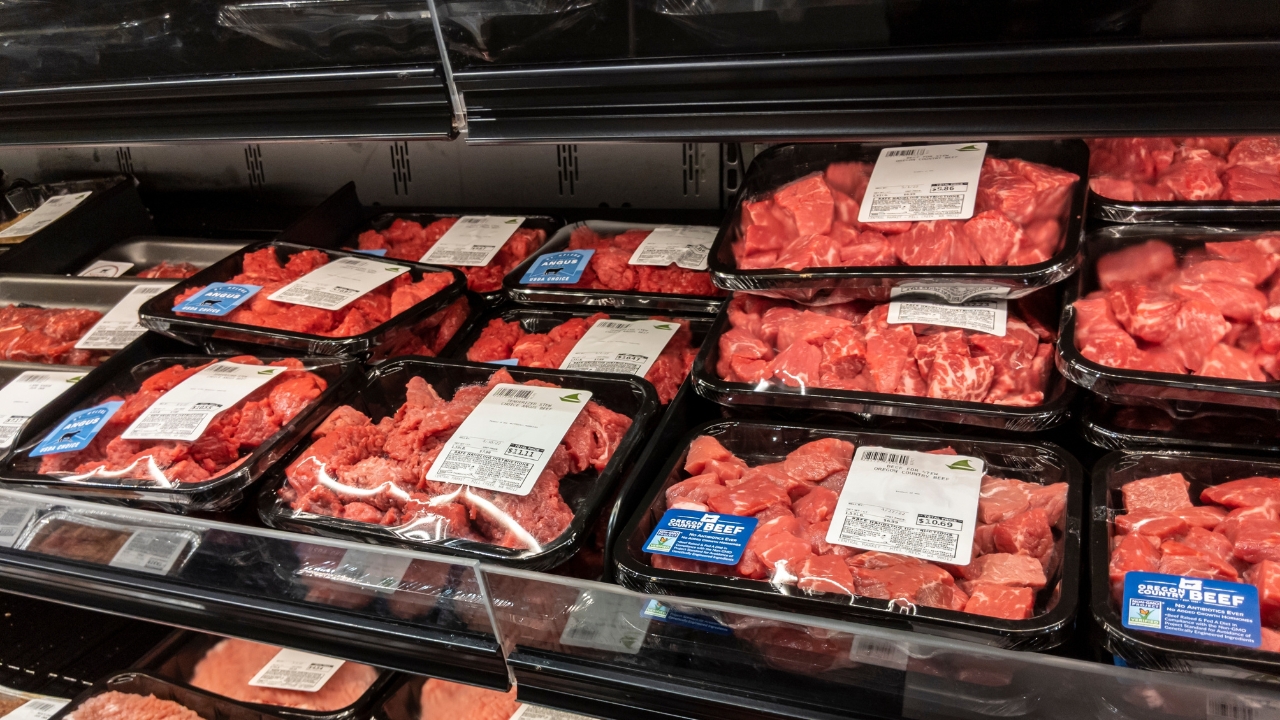
To understand why stew meat is no longer a bargain, you need to look at how it is assembled. Stew meat is not a single muscle but typically a mixture of various cuts of beef, such as chuck, round, or even brisket, all trimmed and cut into cubes. Those pieces used to be treated as a way to monetize leftovers from more glamorous cuts, but as the value of every primal has risen, the offcuts have become more precious too.
Some butchers still rely heavily on trim, shaving off pieces when carving steaks to create correctly shaped portions and then cubing those trimmings for the stew tray. Others now cut dedicated chunks from muscles that could have been sold as roasts or smaller steaks, especially when demand for slow-cooking meat is strong. Descriptions of Stew meat emphasize that it can include a range of textures from chuck, round, and brisket, while guidance on organic grass fed stew beef notes that when a butcher is carving a steak, the trimmings and additional trim are usually turned into stew as well. As those source muscles rise in value, the price of the cubes follows.
Chuck, round, and the shifting “relative value” of each primal
Not all parts of the carcass contribute equally to the final bill, and that hierarchy is changing in ways that affect your stew pot. The primal cut that creates the most overall value from the carcass is typically the loin, followed by the chuck, with both generating more high valued cuts than the round. That ranking matters because when loin steaks become too expensive for many shoppers, attention shifts to chuck-based options, which pushes up the price of everything that comes from that section, including stew cubes.
Industry analysis of the relative value of beef cuts explains that both the loin and the chuck are key profit centers, while the round lags behind. When retailers and processors see stronger demand for chuck roasts, flat irons, and other shoulder cuts, they have less incentive to discount the trimmings that would otherwise become stew meat. At the same time, advice on what to use for stew often points you toward chuck steak, also known as gravy beef or braising steak, because beef chuck comes from the forequarter and has a good balance of connective tissue and marbling that breaks down beautifully in a long simmer. That guidance, captured in recommendations to Go for the chuck, reinforces demand for a primal that is already climbing in value.
Ground beef as the bellwether for “cheap” beef inflation
If you want a clear picture of how far the floor has risen, look at ground beef. Grocery data shows that the average price of ground beef has climbed from roughly $2.29 per pound in 2000 to about $5.55 per pound in January 2025, more than doubling over a generation. That jump reflects not only general inflation but also the same supply constraints and demand resilience that are now pushing stew meat higher.
Ground beef is often made from the same chuck and round muscles that feed the stew bin, so when the value of those primals rises, both products move in tandem. Historical comparisons that track how much grocery store ground beef cost in 2000 versus 2025, framed alongside broader changes from the rise of smartphones and social media to the popularization of newer appliances like air fryers and Instant Po cookers, show how deeply this staple has been repriced. By the time you see that $5.55 figure in the meat case, as reported in analyses that note From the early 2000s to today, it is clear that there is no longer a cheap, bottom rung of beef that escapes the broader inflation story.
The “value steak” boom and how it cannibalizes stew meat
As classic steaks like ribeye and tenderloin have become splurges, you and other shoppers have gone hunting for alternatives that still feel special but cost less per pound. That search has elevated a roster of so-called value steaks, from skirt steak to flat iron, that used to be niche or even overlooked. When you choose one of these for a weeknight dinner, you are often buying meat that once would have been more likely to end up in the grinder or stew tray.
Guides to the best value steak cuts highlight options like Skirt Steak, often paired with recipes such as Skirt Steak with Anchovy Caper Sauce or Skirt Steak Saltimbocca, as ways to enjoy beef flavor without paying ribeye prices. Each time a cut like that is rebranded as a steak night centerpiece, it pulls supply away from the pool of meat available for slow cooking. Over time, the popularity of these Related Articles favorites tightens the market for trimmings and secondary muscles, which helps explain why the cubes in your stew pack now compete directly with fajitas and bistro-style plates.
How to shop smarter when stew meat is no longer cheap
Even if stew meat no longer feels like a bargain, you still have room to maneuver if you are willing to be strategic. One approach is to buy whole cuts that are less fashionable, such as a chuck roast or bottom round, and cube them yourself, taking advantage of any sale pricing that applies to larger roasts. Another is to shift your expectations for steak night, trading a thick ribeye for a thinner, more affordable cut that still satisfies the craving for a seared piece of beef.
Cooperative buying clubs and warehouse-style programs can also soften the blow. Some food co-ops encourage you to rethink steak night with what they call Swap #3, Steak Night, Smarter Ribeye, suggesting that while ribeye steaks are incredible, they are also among the most expensive, and that you can save significantly by choosing alternative cuts and buying through a co-op that negotiates better prices than typical grocery stores. When you follow that kind of Swap advice, you free up budget to keep stew in your rotation, even if the cubes themselves are no longer the cheapest protein in the cart.
What to watch next as beef prices keep evolving
Looking ahead, the key variables that will determine whether stew meat gets cheaper or more expensive are herd size, feed costs, and your own willingness to keep paying. Analysts who track the beef and veal category in the CPI note that the latest available data shows sustained price pressure, and that the law of supply and demand is still in control. As long as cattle numbers remain low and production growth is slow, the market will keep testing how much you are prepared to spend on every cut.
At the same time, there are signs that shoppers are starting to push back, with surveys indicating that spending on beef is finally easing after years of resilience. Reports that it is the law of supply and demand, with drought and high feed costs having driven prices to historic highs, suggest that if demand softens enough, retailers may eventually have to sharpen their pencils on items like stew meat to keep you buying. Until then, the combination of record-low herds, elevated input costs, and a new appreciation for once-overlooked cuts means the “cheap cuts” that used to anchor your budget, from chuck cubes to ground beef, are likely to stay in the spotlight and on the higher end of your receipt, a trend underscored by analyses that explain why It’s the law of supply and demand that has driven prices to historic highs.
Supporting sources: Why beef prices are higher than ever (and shoppers are finally …, Why beef prices are higher than ever (and shoppers are finally …, Beef prices are soaring. Here’s why that’s hard to fix, Why Is Beef So Expensive? – NerdWallet, Beef prices are soaring. Here’s why that’s hard to fix – CNBC, Market Trends in Beef: Preparing for 2025, The 6 Best-Value Steak Cuts You Can Buy Right Now …, How to Beat Rising Beef Prices: Smart Swaps and Co-op Savings, Here’s How Much Grocery Store Ground Beef Cost In 2000 (Vs 2025), What Are The Best Cuts Of Beef For Stew? – Steak School by Stanbroke, Relative Value of Beef Cuts, Premium Angus Stew Meat (2 lb.), All About Organic Grass Fed Stew Beef.
Like Fix It Homestead’s content? Be sure to follow us.
Here’s more from us:
- I made Joanna Gaines’s Friendsgiving casserole and here is what I would keep
- Pump Shotguns That Jam the Moment You Actually Need Them
- The First 5 Things Guests Notice About Your Living Room at Christmas
- What Caliber Works Best for Groundhogs, Armadillos, and Other Digging Pests?
- Rifles worth keeping by the back door on any rural property
*This article was developed with AI-powered tools and has been carefully reviewed by our editors.