The cheapest fixes that make your heater feel stronger without upgrading it
When your home feels chilly, it is tempting to blame the heater and start pricing new equipment. In reality, the fastest way to feel warmer is usually to help the system you already own move air better, waste less heat, and work closer to how it was designed. With a few low‑cost tweaks, you can make the same furnace or boiler feel noticeably stronger without touching the hardware.
The most effective upgrades are not glamorous: cleaning, sealing, redirecting air, and tightening up the shell of your home. By focusing on airflow, basic maintenance, and simple insulation tricks, you can stretch every bit of warmth your heater produces and often cut your energy bill at the same time.
Start with airflow and basic maintenance
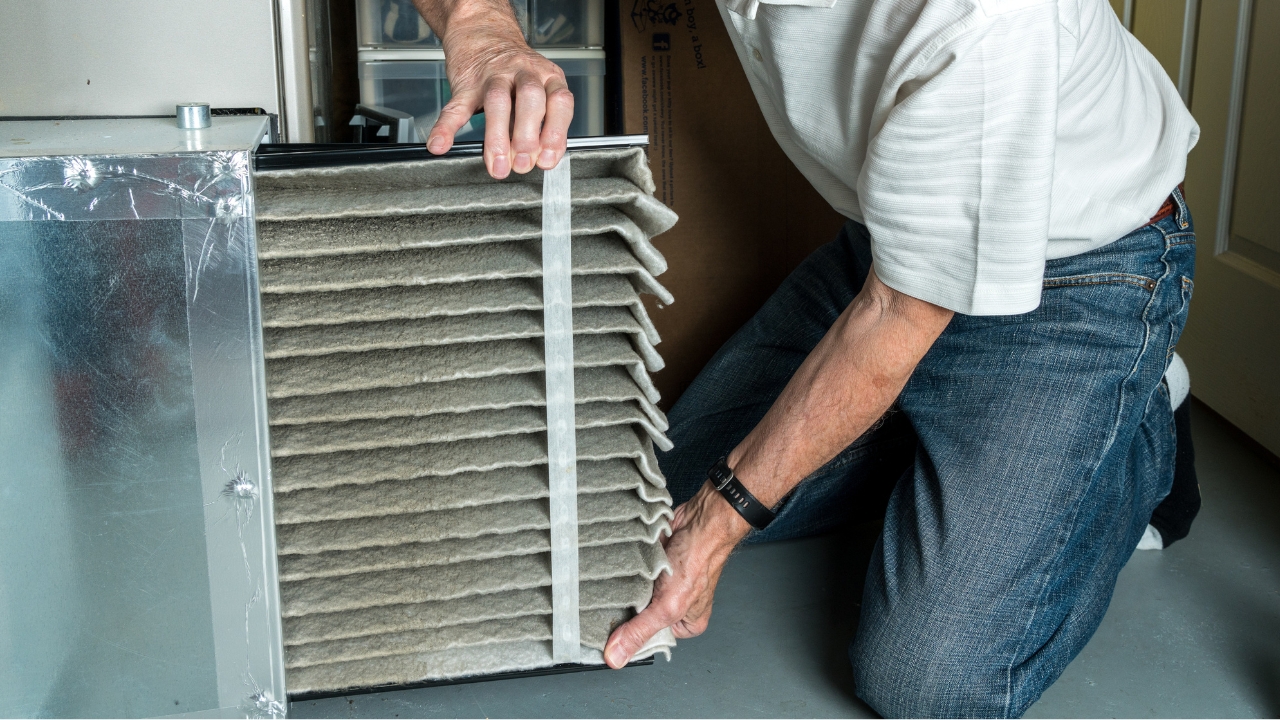
Your heater cannot feel powerful if warm air is trapped in the system or blocked once it reaches the room. One of the simplest wins is to Change dirty filters that choke off circulation and force the blower to work harder for less comfort. Guidance on heating and cooling efficiency stresses that when you Change Your Air Filter Regularly and keep the area around your equipment clear, you reduce strain on the system and help warm air move freely into your living spaces.
Room by room, you also want to make sure heat can actually leave the vents or radiators. Practical checklists for cold rooms highlight how often closed supply registers, blocked returns, or furniture pushed up against baseboards quietly sabotage comfort, and they urge you to Keep Radiators Clear so convection can do its job. The same logic applies to ducted systems, where the more efficiently air flows through the system, the better the heating performance, a point underscored by advice that The more efficiently air flows through the system, the more effective the heating solution will feel from the start.
Seal the leaks that steal your heat
Even a strong heater will feel weak if warm air is leaking out faster than it can be replaced. Official No Cost Ways to Save on heating emphasize that when you Turn your thermostat down to 68 degrees and stop drafts, you can stay comfortable while using less energy in the 60-degree to 70-degree range. That comfort depends on sealing the gaps around windows, doors, and floorboards that let cold air pour in and dilute the warmth you are paying for.
Stopping those leaks is often a matter of tape, caulk, and fabric, not major construction. Practical draught guides suggest you Add a rug or carpet to trap warmth and, Once you have filled any floorboard gaps, seal what remains so cold air cannot sneak up from below. For homes with thin walls or older windows, targeted advice on how to Keep Poorly Insulated Home Warm recommends that you Cover windows with plastic film and use heavy curtains, which act as a low‑tech but effective extra layer of insulation.
Use your equipment and controls more strategically
Sometimes the cheapest way to feel warmer is to let your existing controls work smarter. Guidance on heating and cooling efficiency urges you to Check that your thermostat is set to a consistent schedule and that ducts in unconditioned spaces are sealed and insulated so the heat you paid to create does not vanish into an attic, crawlspace, or unheated basement or garage. Broader advice on how to improve HVAC efficiency without upgrading your system stresses that when you Keep Up With Routine maintenance and use programmable or smart thermostats, you can improve comfort and cut costs without touching the furnace itself.
Small behavioral tweaks also change how powerful your heater feels. Practical winter checklists point out that you can help your system by using ceiling fans in reverse so that Reverse Ceiling Fans This winter will push warm air down from the ceiling into the living area, and that You can do it in seconds with a switch on the fan housing. Broader energy advice notes that Energy efficiency in home heating is not just about the furnace, it is also about how you operate the system and the steps you take to reduce heat loss in your home.
Tighten up rooms and surfaces that fight your heater
Cold rooms often have specific weak spots that make the whole house feel underheated. Practical guidance on how to Set a Schedule for Your heating system also stresses the value of insulating and sealing with caulk and weather stripping so walls and openings stop bleeding warmth. For homes that lack central systems, practical lists of Alternative Cheap Heating Soluti for Homes without central heating show how targeted fixes like draft excluders, reflective radiator panels, and door curtains can transform a single stubborn room.
Windows and doors are not the only culprits. Advice on how to Improve Airflow and Reduce Heat Loss Throughout Your Home Poor airflow and heat loss are identified as two of the biggest reasons a house feels cold even when the thermostat says it should be warm. Low‑tech comfort guides echo that One of the simplest and most cost‑effective ways to improve heating efficiency is to Seal Drafts and Air Leaks, then use space heaters strategically in the rooms you occupy most so the central system does not have to overcompensate for every cold corner.
Lean on low‑cost habits and DIY upkeep
Once the big leaks are handled, your day‑to‑day habits and simple upkeep determine how strong your heater feels over the long haul. Practical comfort advice framed as DIY Heating Maintenance Tips notes that, Depending on the task, basic cleaning and inspection can be simple and deliver improved comfort without a service call. Broader winter comfort guides on how to keep your house warm without wasting energy argue that Simple Adjustments That Go a Long Way include Schedule regular HVAC checkups and timely filter replacements to boost system efficiency.
Even without spending money, you can change how heat behaves in your rooms. Practical frugal discussions from Some homeowners highlight simple habits like sealing doors to prevent drafts, making sure windows are intact, and opening shades or blinds when the sun is out so free solar gain can help warm the space, then closing them at night to keep that heat in. Broader no‑cost efficiency advice on how to maximize HVAC efficiency without spending money notes that Cross‑ventilation can work wonders in shoulder seasons and that using curtains or blinds as some barrier against heat gain in summer keeps your home from overheating, which in turn helps your system recover more easily when you switch back to heating.
Know when to call in help without replacing the system
There is a point where a professional eye can unlock more comfort from the heater you already own, without jumping to a full replacement. Practical service advice framed as Keep Your Heater Cool emphasizes that Where you install a furnace matters and that Here you should avoid flammable clutter and call a technician if you are unsure about noises, smells, or performance. Broader efficiency tips from Direct Energy underline that Being energy efficient does not always mean buying new equipment, it often means tuning what you have so it runs closer to its design specs.
Targeted maintenance can also address specific weak spots like radiators that never seem to get hot enough. Practical demonstrations on how to improve the heat output from your radiators, such as the walkthrough shared in Oct, show how bleeding trapped air and balancing valves can restore full surface temperature. Broader comfort guides on how to keep your house warm without wasting energy note that even Small steps like reducing drafts and scheduling checkups can deliver outsized comfort gains, while official efficiency programs that urge you to Take simple steps such as sealing ducts and tuning controls reinforce that you can get more heat out of the system you already own long before you need to think about replacing it.
Like Fix It Homestead’s content? Be sure to follow us.
Here’s more from us:
- I made Joanna Gaines’s Friendsgiving casserole and here is what I would keep
- Pump Shotguns That Jam the Moment You Actually Need Them
- The First 5 Things Guests Notice About Your Living Room at Christmas
- What Caliber Works Best for Groundhogs, Armadillos, and Other Digging Pests?
- Rifles worth keeping by the back door on any rural property
*This article was developed with AI-powered tools and has been carefully reviewed by our editors.