The cheapest home safety upgrade people still put off—and why it matters in 2025
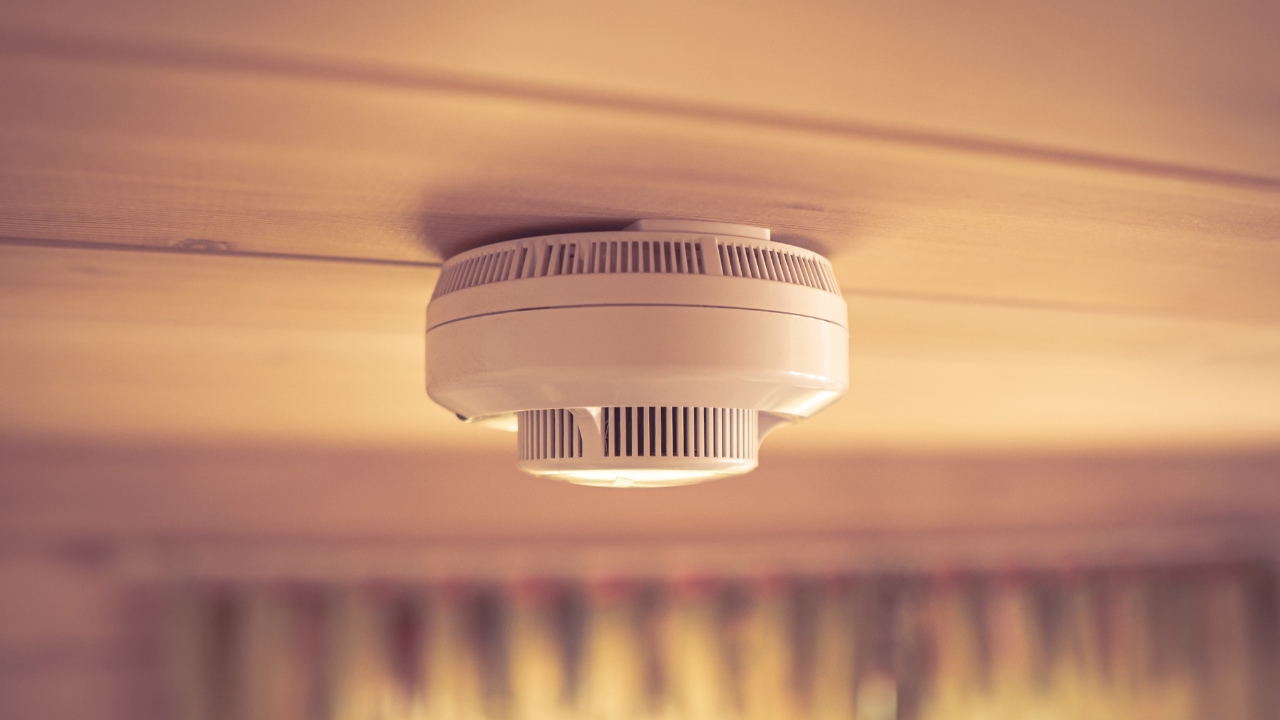
In a year when you might be putting off a new roof, a kitchen refresh, or even repainting the living room, the most affordable safety upgrade in your home is probably sitting on the ceiling, quietly neglected. In 2025, the gap between what you know you should do for safety and what you actually get around to doing often comes down to a plastic disk that costs less than a streaming subscription. Your smoke and carbon monoxide detectors are the cheapest, highest impact protection you own, and delaying basic upgrades or maintenance on them is a risk that no longer fits the moment.
As economic anxiety reshapes how you prioritize projects, it is tempting to treat those devices as “set it and forget it” hardware. Yet the evidence is clear that a few minutes with a step stool, some fresh batteries, or a modestly priced replacement unit can mean the difference between a close call and a catastrophe. The question in 2025 is not whether you can afford to upgrade your smoke and CO protection, but whether you can afford to keep postponing it.
Why a $30 device is the most important hardware in your home
When you think about home safety, you probably picture locks, cameras, or a video doorbell, not the aging smoke detector in the hallway. That is a mistake. Fire and carbon monoxide incidents move faster than you do, and the only realistic way to buy yourself time is with working alarms that wake you before you smell smoke or feel symptoms. Modern detectors are designed to give you those crucial extra minutes, and they do it for the price of a tank of gas, which is why the The Importance of Smoke and CO Detector Maintenance is framed as a foundational layer of protection rather than a nice-to-have upgrade.
Unlike a new fence or a bathroom remodel, detectors do not just protect your property, they protect your ability to get out alive. Carbon monoxide, often shortened to Carbon, is invisible and odorless, which means you cannot rely on your senses to notice a leak from a furnace, water heater, or attached garage. Research into how a carbon monoxide Sensor functions underscores that only a properly installed and maintained device will catch rising levels in time for you to act. For a relatively tiny upfront cost, you are buying a 24/7 early warning system against two of the most dangerous threats inside your walls.
The 2025 procrastination problem: why you keep putting it off
If you have been delaying detector upgrades, you are far from alone. A 2025 report found that 71% of homeowners have put off at least one home project this year, with Key Takeaways pointing to financial stress and decision fatigue as leading Causes. Separate insurance data shows that in 2025, 71% of homeowners postponed renovations or repairs due to economic uncertainty, and Millennials were even more likely to delay, at 74%. When you are worried about interest rates and job security, it is rational to push non-urgent projects down the list.
Retailers are seeing the same pattern. Home Depot has reported that customers are putting off larger home improvement projects as stubborn interest rates and worries about the economy fester, opting instead for smaller, cheaper tasks. The problem is that you may be mentally lumping detector upgrades into the “big project” category, when in reality they belong with the quick wins. Swapping a ten-year-old smoke alarm or adding a plug-in CO unit near a gas appliance is closer to changing a lightbulb than renovating a kitchen, but the same financial anxiety that delays a new roof can quietly delay this life safety fix too.
What “up to date” really means for smoke and CO protection
Many homeowners assume that if a detector still chirps when you press the button, it is good enough. In practice, “up to date” is more demanding. Guidance on Are Your Smoke and CO Detectors Outdated stresses that you should replace smoke detectors every 10 years and carbon monoxide units according to the manufacturer’s schedule, because sensors degrade even if the device still powers on. The advice on Why Upgrading Could Save Lives is blunt: Your home’s smoke and carbon monoxide (CO) detection needs to be current to offer improved reliability and performance.
Maintenance is just as critical as replacement cycles. Experts on the The Importance of Smoke and CO Detector Maintenance emphasize regular testing, cleaning, and battery changes as part of a routine that can save you money in the long run by preventing damage and insurance claims. Another guide on the Importance of Testing and Maintaining Smoke and CO Detectors notes that maintaining your smoke detectors is essential for early fire detection and that carbon monoxide alarms are vital for detecting this dangerous gas. In other words, “up to date” is not a label on the box, it is a habit you build into your calendar.
How to turn a neglected chore into a 2025 safety habit
The easiest way to stop postponing detector care is to treat it like any other recurring task in your life. You already trust your phone to remind you to pay a credit card bill or attend a dentist appointment, so use the same tools for safety. Set a quarterly reminder in apps like Google Calendar or Apple Reminders to test every alarm, vacuum the vents, and check expiry dates. The guidance to How Often Should You Test Your devices is clear that regular checks are part of responsible ownership, and building them into your routine keeps the task from slipping into the “someday” pile.
When you do test, follow a simple checklist. Press the test button on each unit, confirm the siren is loud in every bedroom, and replace batteries where needed. Advice framed as Why Smoke and CO Detector Maintenance highlights that Maintenance Matters: Testing and Replacement, including backup batteries that need changing. If a device is yellowed, cracked, or older than a decade, do not overthink it, replace it. You can pick up a new combination smoke and CO unit on your next grocery run or order one alongside everyday items from retailers like Target or Amazon, turning a life safety upgrade into an errand you barely notice.
Where detectors fit in your broader 2025 upgrade strategy
In a year dominated by smart locks, connected cameras, and app-controlled lighting, it is easy to assume that “real” home upgrades must be digital. Real estate experts point out that smart systems can deliver How Smart Home Upgrades Increase Property Value by offering Better Security through tools like a Video doorbell, smart locks, and connected security hubs. Those features can absolutely enhance daily life and even boost resale value. Yet none of them replaces the basic requirement that your home warn you quickly if it fills with smoke or carbon monoxide while you sleep.
The smartest strategy is to treat detectors as the non-negotiable baseline that comes before any other 2025 upgrade. Once you know every bedroom, hallway, and floor has working, in-date alarms, you can layer on cameras, sensors, and automation with confidence. Many modern systems even integrate with your alarms, so a triggered smoke detector can flash Philips Hue lights, unlock a Schlage Encode smart lock, or send a push alert through apps like Ring or Google Home. In that sense, ensuring your detectors are current is not just the cheapest safety upgrade you can make, it is the foundation that lets every other investment in your home’s technology and comfort actually matter.
Like Fix It Homestead’s content? Be sure to follow us.
- Man Says He Found Out the Fence He Paid For Wasn’t Actually on His Property
- Woman Says Her Neighbor Started Taking Mulch From Her Delivery Pile Before She Could Even Spread It
- I made Joanna Gaines’s Friendsgiving casserole and here is what I would keep
- What Caliber Works Best for Groundhogs, Armadillos, and Other Digging Pests?
*This article was developed with AI-powered tools and has been carefully reviewed by our editors.