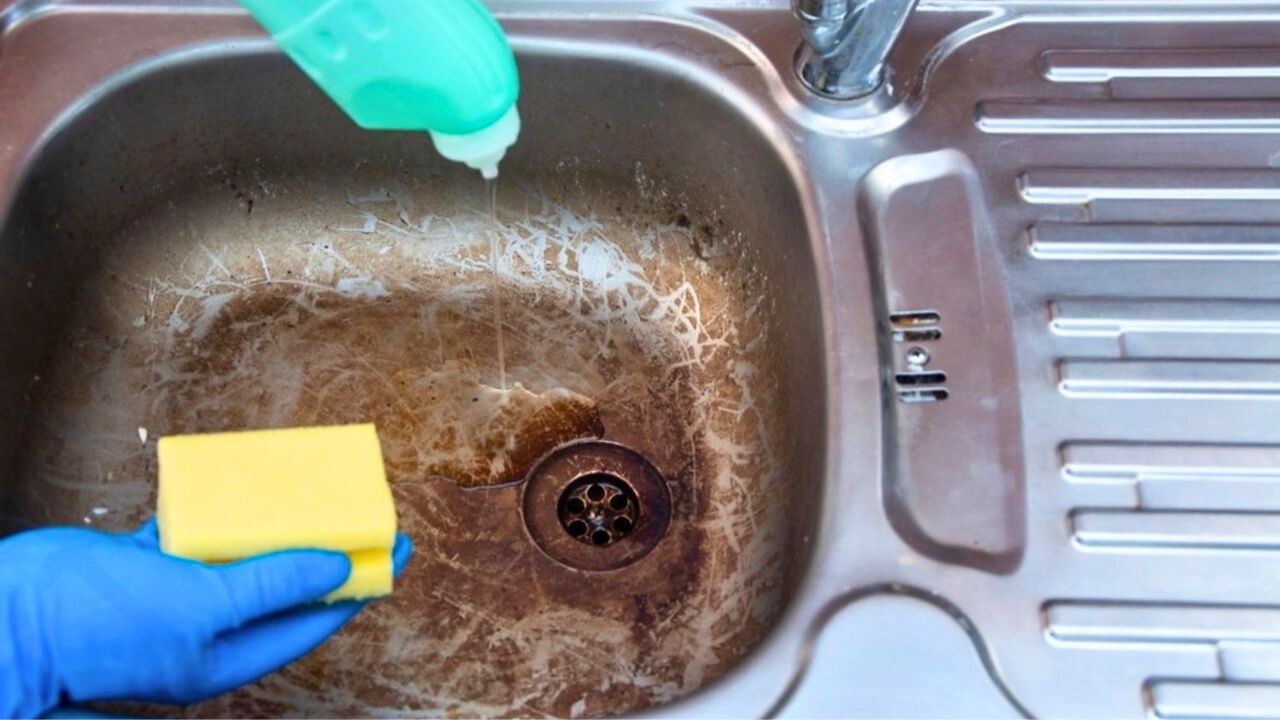
The cleaning product that ruins stainless steel sinks over time
You buy a stainless steel sink expecting it to stay sleek and bright for years, yet a single everyday cleaner can quietly strip away that finish and leave it blotchy, pitted, and dull. The product that does the most long‑term damage is chlorine bleach, especially when you use it straight or let it sit in the basin. If you rely on bleach for heavy kitchen cleaning, you need a different strategy if you want your sink to age gracefully instead of corroding from the inside out.
Stainless steel is not indestructible, and the way you clean it decides whether it keeps that showroom gleam or starts to look tired long before its time. Once bleach has etched the surface or triggered rust, you cannot fully reverse the damage, only disguise it. Protecting your sink is less about buying specialty products and more about knowing which common cleaners to keep far away from the metal.
Why bleach is the slow destroyer of stainless steel
Bleach feels like the obvious choice when you want to sanitize a kitchen workhorse, especially after handling raw chicken or rinsing out a grimy trash can. You are told for years that bleach is an effective, commonly used cleaner that kills germs and whitens stains, so it is easy to assume it is safe for a tough material like stainless steel. The problem is that the same chlorine compounds that help disinfect also attack the invisible protective film that keeps your sink from rusting.
Stainless steel stays “stainless” because of a thin chromium oxide layer that forms on the surface and blocks oxygen and moisture from reaching the iron beneath. Chloride ions in bleach and other chlorine products break down that chromium oxide, which leaves the metal underneath vulnerable to oxidation and pitting. Once that barrier is compromised, moisture and food residues can trigger brown spots, rough patches, and even pinhole corrosion that never really goes away. This is why manufacturers and cleaning guides consistently group bleach with other harsh chemicals on the list of harsh abrasives and warn you to keep it out of your sink.
How bleach damage actually shows up in your sink
The first signs that bleach has been too close to your stainless steel are often subtle. You might notice faint discoloration in the bottom of the bowl where you soaked a mop head, or a ghostly ring where a bleachy sponge sat for a few hours. Over time, those pale areas can shift to yellow or brown, then develop into rough, matte patches that no amount of scrubbing will polish away. If you regularly pour concentrated bleach into the basin or let diluted solutions sit in the drain area, you may start to see tiny rust specks or pinholes that signal deeper corrosion.
Because bleach damage builds slowly, you can easily misdiagnose it as “hard water stains” or ordinary wear. You may even reach for more bleach to try to brighten the finish, which only speeds up the breakdown of the chromium oxide layer and accelerates the problem. Guides that walk you through how to clean a stainless sink and make it look shiny and new again consistently warn that bleach and chlorine products are the main culprits behind that dull, etched look, not a lack of elbow grease. When you treat bleach as a routine cleaner instead of an emergency disinfectant of last resort, you set your sink up for exactly the kind of long‑term ruin you are trying to avoid, which is why advice that tells you to never clean your is so blunt.
The other products that quietly accelerate corrosion
Bleach is the headline offender, but it rarely acts alone. Many multipurpose sprays and powdered cleansers combine chlorine with other strong chemicals, so you may be using bleach without realizing it every time you scrub the basin. Harsh abrasives, scouring powders, and steel wool pads scratch the surface, which makes it even easier for chlorides and moisture to reach the vulnerable metal underneath. That is why detailed care guides tell you to avoid scouring powders, steel wool, and any cleaning products containing chlorine, bleach, or ammonia when you maintain stainless steel sinks.
Even products that do not contain bleach can be risky if they are too aggressive. Strong acidic or alkaline detergents, including some limescale removers and heavy‑duty degreasers, can etch the surface and leave it more prone to spotting and rust. Some stainless steel maintenance advice spells it out plainly: strong acidic or alkaline detergents, although stainless steel is resistant to oxidation and corrosion, can still cause discoloration or spotting of the sink when used repeatedly or left on the surface. When you combine those products with the mechanical damage from abrasive pads, you create the perfect conditions for corrosion to take hold in a material that is marketed as low‑maintenance and durable.
Everyday habits that make bleach damage worse
Even if you are not pouring straight bleach into the basin, small daily habits can quietly expose your sink to chlorine and other corrosive ingredients. Leaving bleach‑soaked dishcloths, mop heads, or cleaning pads in the bowl keeps chlorides in constant contact with the metal, especially around the drain where water tends to pool. Letting metal cookware or utensils sit in a damp sink for hours can also transfer rust and create galvanic reactions that stain or pit the surface, which is why maintenance checklists urge you to avoid leaving other metal products in the sink for long periods.
Another common mistake is assuming any “kitchen cleaner” is safe for stainless steel just because it is sold near dish soap. Many multi‑surface sprays are labeled as disinfectants precisely because they contain bleach or other strong oxidizers. Detailed lists of what you should not use on stainless steel call out bleach explicitly, describing it as perfect for disinfecting and whitening but terrible for shiny metals, and they warn that any form of bleach can ruin the finish. If you skip the step of checking labels and instead rely on scent or marketing language, you can easily turn a routine wipe‑down into a slow‑motion corrosion project, which is why you are urged to inspect each soap before it ever touches your sink.
How to clean stainless steel safely and keep it shining
Protecting your sink from bleach damage does not mean lowering your standards for cleanliness. It means choosing products that clean effectively without stripping away the chromium oxide shield that keeps the metal intact. Mild dish soap, warm water, and a soft cloth or sponge handle most daily messes, especially if you rinse and dry the basin after each use so minerals and food residues do not sit on the surface. For tougher grime, baking soda makes a gentle scouring paste that lifts stains without scratching, and white vinegar can help dissolve limescale as long as you rinse thoroughly afterward.
When you want a deeper clean or a bit of shine, you can turn to cleaners that are specifically labeled safe for stainless steel and free of chlorine, bleach, and ammonia. Detailed guidance on how to clean a stainless steel sink stresses that you should not use steel wool or other stiff brushes that can leave scratches, and that you should avoid harsh chemicals like bleach or other strong oxidizers even if they promise a quick result. Lists of products that can ruin stainless steel repeatedly put bleach at the top, warning that bleach, perfect for disinfecting and whitening, is terrible for shiny metals and can permanently dull the finish. If you treat your sink as a piece of equipment that needs the right tools, not as an indestructible basin that can handle anything, you give it a far better chance of looking new years from now, which is exactly why you are told what you should before you reach for the bottle and why careful guides highlight what to avoid as clearly as they explain how to scrub.
Like Fix It Homestead’s content? Be sure to follow us.
Here’s more from us:
- I made Joanna Gaines’s Friendsgiving casserole and here is what I would keep
- Pump Shotguns That Jam the Moment You Actually Need Them
- The First 5 Things Guests Notice About Your Living Room at Christmas
- What Caliber Works Best for Groundhogs, Armadillos, and Other Digging Pests?
- Rifles worth keeping by the back door on any rural property
*This article was developed with AI-powered tools and has been carefully reviewed by our editors.