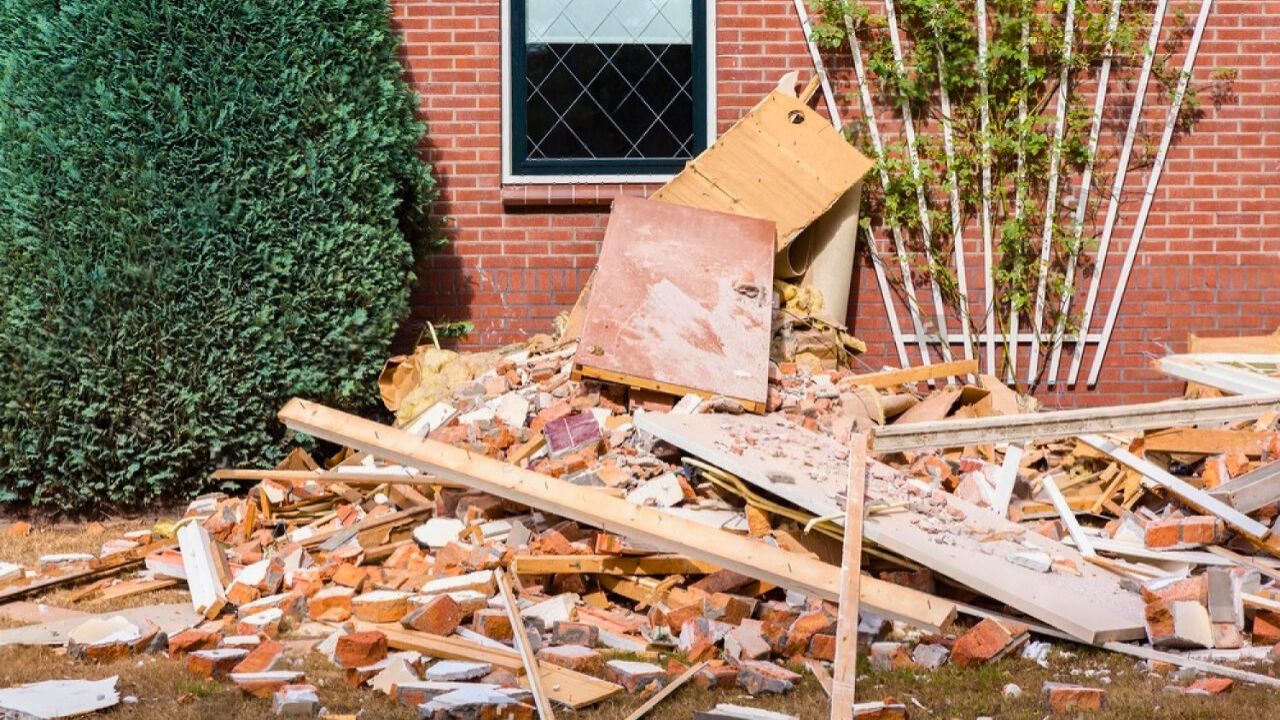
The cleanup and haul-off detail that causes fights after the job ends
Homeowners and contractors often agree on the big things, like price and materials, only to end up arguing over the least glamorous part of the project: who handles the mess when the work is done. The final sweep, the debris pile in the driveway, and the question of who pays to haul it away can sour an otherwise successful renovation. If you understand how cleanup and haul-off should be structured from the start, you can protect your budget, your schedule, and your working relationships.
The detail that most often triggers post-job fights is not a hidden clause or a surprise fee, but a vague assumption about what “clean” means and who is responsible for getting there. By treating cleanup as a defined scope of work, with clear standards and costs, you can turn a common flashpoint into a predictable, almost boring part of the project instead of the thing everyone is still arguing about after the tools are packed.
Why cleanup and haul-off spark outsized conflict
Disputes over cleanup and debris removal tend to flare at the worst possible moment, when you are eager to enjoy a finished space and your contractor is ready to move on to the next job. You may look at a dust-coated kitchen and a mound of broken tile and feel that the job is incomplete, while your contractor sees a typical construction site that only needs a quick sweep. That gap between expectations and reality is exactly where resentment grows, especially when no one priced the extra labor or disposal fees into the original agreement.
Part of the tension comes from the fact that cleanup is both safety work and customer service. Legal guidance on Construction notes that everyone on a site has some duty to keep conditions safe, yet that does not automatically answer who pays to remove leftover debris once the tools are gone. When you add in emotional factors, like the stress of living through a remodel and the frustration of seeing your home dirty after writing a large check, it is easy to see why a seemingly small detail can trigger outsized conflict.
The contract clause that decides everything
The single most important factor in avoiding a fight over cleanup is whether your contract spells out who does what, and to what standard. If your agreement simply says “contractor to complete work,” you are almost guaranteed to argue later about whether that includes hauling away old cabinets, sweeping the garage, or wiping down windows. By contrast, if the scope lists “remove all demolition debris from site, broom-sweep floors, and leave surfaces ready for final clean,” you have a concrete benchmark you can point to when the job wraps.
Industry guidance stresses that Post construction cleanup responsibilities should be clearly defined within the contract to prevent ambiguity, and that Standard agreements often treat cleanup as a separate, billable line item rather than an implied courtesy. When you negotiate, you should insist that the document specify whether the contractor will provide rough cleaning only, full haul-off, or a turnkey finish, and you should confirm how that decision affects the price. Without that clause, you are relying on memory and goodwill, which are both in short supply at the end of a stressful project.
What homeowners assume versus what contractors expect
You probably assume that if you hire a professional, the mess leaves with them. Many homeowners are shocked to learn that some contractors view debris removal as the client’s responsibility unless it is explicitly included. In one discussion about leftover materials, a commenter bluntly stated that if you have a contractor, it is generally his responsibility to clean up and haul away, but if you are the contractor, that would fall on you, a reminder that roles and expectations shift depending on who holds the contract and who is acting as their own general contractor.
That same conversation, captured in a community thread on who hauls leftover debris, underscores how often people only discover the gap in expectations after the dumpster is gone and the pile is still sitting in the yard. The advice there is simple but hard-earned: clarify with your contractor at the outset whether he will handle hauling and disposal, or whether you will be arranging that yourself. If you are acting as your own builder, you should treat cleanup as part of your project management duties, not an afterthought.
Inside the jobsite: how pros talk about “clean enough”
Among tradespeople, there is a sharp distinction between basic tidiness during work and a full post-construction clean. In one Mar discussion among design and construction enthusiasts, several voices argued that if you have a written contract with your subs, you should see what it says about cleaning up, and if not, you should be prepared to clean it up yourself. Others insisted that a good contractor will clean every time they are there, while still acknowledging that typical drywaller issues, like dust and scraps, are common friction points between crews and clients.
That same Mar thread included stories of extreme lapses, including someone discovering a piece of poop left behind on a job, which understandably led to demands for compensation and a refusal to recommend that crew again. The consensus was that subs should at least leave the site safe and reasonably tidy at the end of each day, even if a separate company handles the final polish. When you hear professionals debate whether they should be cleaning up, not you, it becomes clear that “clean enough” is a moving target unless your contract pins it down with specific language about daily housekeeping and end-of-job standards, not just vague promises of a solid result the next time.
What “final clean” really means
Even when everyone agrees that a final clean is part of the job, you may be picturing very different outcomes. One homeowner, identified as Shannon Weaver My in a Mar conversation about expected cleanup, explained that her husband was a builder and at the end of the job he would hire someone to do a final clean. In her description, that meant all debris removed, surfaces wiped, and the space ready for move-in, a level of detail that goes far beyond a quick sweep and trash pickup.
Professional cleaning firms describe a similar multi-stage process. Some break it into Rough Cleaning, which happens immediately after construction or during the latter stages of the build, and a more meticulous pass that removes dust from vents, adhesive from windows, and materials that are no longer needed. Others distinguish between specialized construction cleanup and routine janitorial work, noting that Construction cleanup often involves scraping overspray, collecting nails, and dealing with other byproducts that standard office cleaners are not equipped to handle. When you ask for a “final clean,” you should specify whether you expect that full, specialized service or a lighter touch.
Three ways debris actually leaves your property
Behind every neat driveway photo on a contractor’s website is a decision about how debris left the site and who paid for it. One common approach is for the contractor to include a dumpster or hauling service in the bid, folding disposal fees into the overall price. Another is to leave debris in a designated area for the homeowner to handle, which can save money upfront but often leads to frustration when you realize how much time and effort it takes to load and dump heavy materials yourself.
Waste specialists describe three main options for construction debris removal. One analysis notes that if you are a general contractor, you can rent a dumpster, hire a junk removal company, or haul it yourself, and that the greater the quantity of waste, the more cost effective professional hauling becomes compared with repeated trips to the landfill in a pickup truck. A related guide spells out that You Can Haul it Out Yourself, but that Cleaning, removing, and hauling off the construction debris collected on a job site is usually not how contractors want to spend their time, especially when it adds mileage on their own trucks. When you negotiate your project, you should ask which of these three models your contractor plans to use and how that choice affects both cost and timeline.
Communication failures that turn dust into a dispute
Most cleanup fights are not about the dust itself, but about the conversations that never happened. When you and your contractor do not share a clear picture of the cleanup scope and objectives, every stray scrap of drywall can feel like a broken promise. Misunderstandings about whether the crew will protect existing finishes, how often they will tidy during the job, and who will schedule the final clean all compound into a sense that someone has not held up their end of the bargain.
Specialists in post-construction work emphasize that Effective communication among team members, contractors, and clients is paramount for a successful cleanup, and that Mis alignment on the clean-up scope and objectives is a common mistake. Another guide to contractor responsibilities notes that by following clear guidelines, professional cleaners and contractors can maintain strong professional relationships while delivering consistent results, a reminder that clarity is as much about protecting reputations as it is about protecting floors. If you treat cleanup as a topic that deserves its own meeting, not a rushed aside at the end of a walkthrough, you dramatically reduce the odds that dust becomes a dispute.
How cleanup disputes escalate into legal and relationship damage
When cleanup expectations are not met, the fallout rarely stays confined to a single invoice. You may withhold final payment, your contractor may file a lien, and what started as a disagreement over a dumpster can slide into formal dispute. Construction risk experts advise that one of the earliest steps in avoiding litigation is to Plan Ahead During to Avoid Construction Disputes, which includes the need to Conduct Risk Assessments and Identify potential flashpoints like site cleanliness and debris removal. If you skip that Assessment, you are more likely to end up arguing over who is responsible for conditions that feel unsafe or unprofessional once the crew leaves.
The emotional toll can be just as severe as the financial one. Relationship counselors who study household dynamics note that Common areas of conflict around division of labor include cleaning, and that Disagreements often arise when Couples have very different ideas about what counts as “done,” especially when one partner is more tolerant of dirt paired with a hygiene-obsessed neat freak. Those same dynamics play out between you and your contractor: if your tolerance for dust is low and theirs is high, and no one has written down the standard, every speck becomes a symbol of disrespect. Over time, that erodes trust and makes it harder to collaborate on future projects.
Practical steps to define cleanup before work begins
The most effective way to keep cleanup from becoming a fight is to treat it as a core part of your project planning, not an afterthought. Before you sign, you should walk through the space with your contractor and describe, in concrete terms, how you expect it to look when the job is complete. Do you want floors broom-swept or mopped, windows wiped or just scraped, debris removed from the property or stacked neatly for your own disposal? Each of those choices has a cost, and you should see that cost reflected in the written scope and price.
Legal and risk management resources recommend that you Get a Free Consultation if you are unsure how to structure responsibilities, and that you ensure everyone understands their duty to keep the site safe while near the work area. Cleaning firms that specialize in post-construction work advise that you talk explicitly about whether you will hire a separate company for the final pass or expect the contractor to handle it. One guide framed this as a simple conversation: Let us Talk Post about Construction Clean Up, because There are many reasons why a company would need specialized cleaning rather than asking crews to clean up on their own. When you put those expectations in writing, you transform a common source of conflict into a predictable, manageable part of the job.
When to bring in specialists and how to manage the handoff
Like Fix It Homestead’s content? Be sure to follow us.
Here’s more from us:
- I made Joanna Gaines’s Friendsgiving casserole and here is what I would keep
- Pump Shotguns That Jam the Moment You Actually Need Them
- The First 5 Things Guests Notice About Your Living Room at Christmas
- What Caliber Works Best for Groundhogs, Armadillos, and Other Digging Pests?
- Rifles worth keeping by the back door on any rural property
*This article was developed with AI-powered tools and has been carefully reviewed by our editors.