The cleanup step that can hurt your claim if you skip photos
Insurance companies care less about how fast you mop up a mess and far more about what you can prove. If you rush into cleanup without first taking clear photos, you can erase the very evidence that shows what happened, how bad it was, and what it will cost to fix. The simple habit of pausing for pictures before you touch anything can be the difference between a smooth payout and a claim that is delayed, underpaid, or denied.
Whether you are dealing with a soaked living room, a crumpled fender, or a slick grocery store floor, the pattern is the same: you only get one chance to capture the scene as it really looked. Once you start cleaning, moving debris, or driving away, you are asking an adjuster, a jury, or an opposing insurer to take your word for it instead of looking at hard proof.
Why cleanup without photos puts your claim at risk
From an insurer’s perspective, every claim is a reconstruction exercise. Adjusters are trying to piece together what happened, who is responsible, and how much damage there really is. If you have already thrown out ruined drywall, hauled off broken furniture, or scrubbed away soot before you document it, you make that reconstruction harder and give the carrier more room to argue that the loss was smaller than you say. Guidance on water losses warns that Waiting too long to document can be especially costly because Mold can spread quickly and hidden materials can fail in humid environments, so if you clean first and photograph later, you may miss the crucial early evidence.
Property claim specialists also flag a common mistake in the first frantic hours after a loss: They start cleanup and repairs before the insurer has even been notified or had a chance to inspect. Your carrier expects to see the damage in place, including basements, attics, and outdoor structures, and if you have already patched holes or tossed damaged items, you may be accused of exaggerating or failing to cooperate. That is why the safest sequence is to secure the area for safety, take comprehensive photos, and only then move into serious cleanup or repairs.
The hidden danger in “helpful” early cleanup
In the moment, it feels responsible to grab a shop vac, call a contractor, or start hauling debris to the curb. You want your home or car back to normal, and you may worry that waiting will cause more damage. The problem is that every bag you drag out and every board you rip up can erase context that an adjuster or opposing lawyer needs to see. Advice on documenting property losses stresses that after debris removal, you should still be sure to back up every part of your claim with proof, because the burden is on you to connect each damaged item to the event and to its replacement cost, not on the insurer to imagine what used to be there.
That is why detailed photo sets are treated as a core part of the file in professional claim handling. Resources that walk you through Tips for Documenting a Loss emphasize that every statement you make about what was ruined should be paired with visual proof to support it. If you skip that step and rely on memory after you have cleaned, you invite disputes over whether an item was actually damaged, whether it was preexisting wear and tear, or whether it was even in the property at all.
Water damage: why the first 48 hours matter
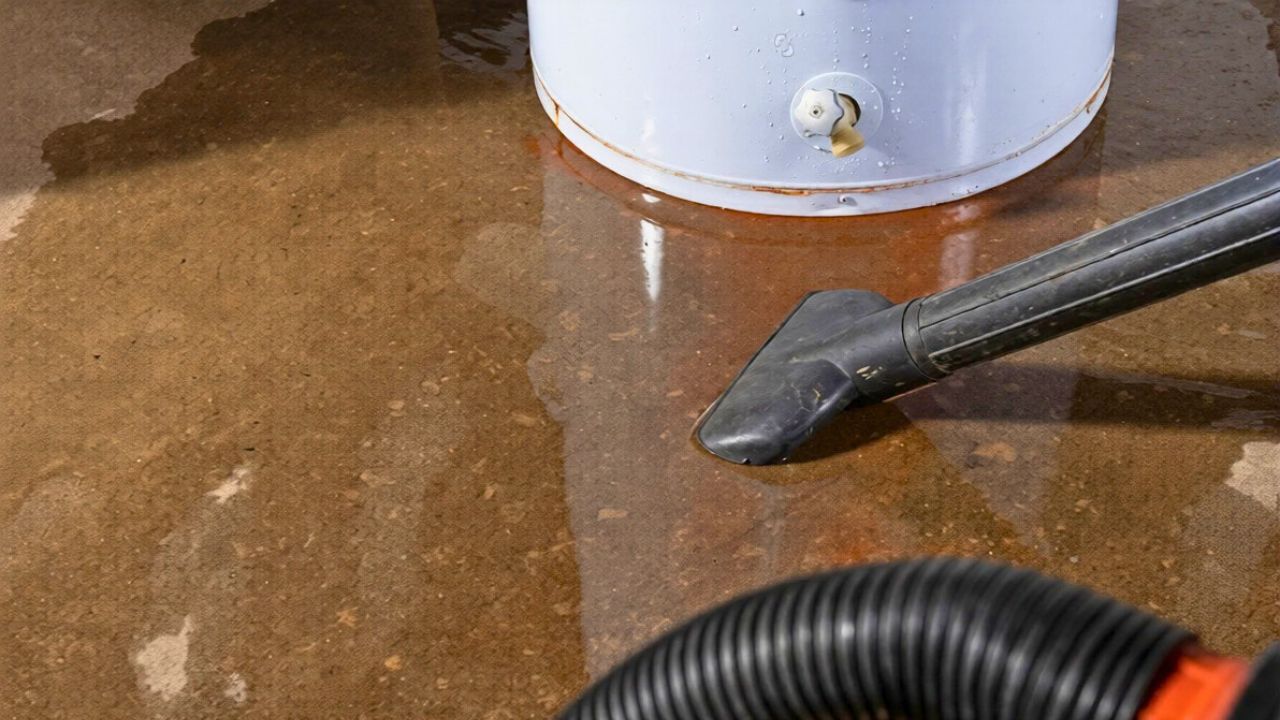
Water losses are where skipping photos before cleanup can do the most damage to your claim. Carpets dry, stains fade, and warped baseboards can be replaced long before an adjuster arrives, which makes it easy for an insurer to argue that the incident was minor. Specialists in water mitigation warn that you should Document the damage within the first 24 to 48 hours because Mold grows fast and materials can fail, especially in humid environments. If you mop up standing water and tear out wet drywall without first capturing wide shots and close ups, you lose the ability to show how high the water rose, which rooms were affected, and how quickly deterioration began.
Insurers also look closely at the cause of water damage, and photos taken before cleanup can help distinguish a sudden pipe burst from long term seepage that might not be covered. Clear images of fresh staining, saturated insulation, and active dripping can support your position that the loss was abrupt and accidental. Without those visuals, you may find yourself arguing over whether the damage built up over months, especially if you have already dried everything out and thrown away the most telling pieces of evidence.
Car accidents: the scene you cannot recreate
On the roadside, the cleanup step that can quietly sabotage your claim is simply driving away without documenting the scene. Skid marks fade, vehicles are towed, and traffic patterns change, so if you do not take photos before the cars move, you are relying on memory and police notes to prove how the crash happened. Lawyers who handle collisions in South Carolina warn that without pictures of the accident scene, it becomes much easier for the other driver’s insurer to dispute fault or minimize the impact, and they urge you to take photographs of vehicle positions, road conditions, and visible injuries before anything is moved.
Other practitioners underline that the most significant reason to pull out your phone at the scene, if you are able, is to preserve the scene’s integrity and the extent of property damage. Guidance on the role of images in crash cases explains that photos can capture details like deployed airbags, shattered glass patterns, and crush zones that later help reconstruction experts determine speed and angle of impact. When you skip that step and let tow trucks and street sweepers clean everything up first, you hand the other side an opening to argue that the collision was low speed or that your injuries could not have been caused by such minor contact, even if your car was heavily damaged before it was moved.
Injury claims: why your body is part of the evidence
In personal injury cases, cleanup can be as simple as washing blood off your clothes, icing a bruise, or throwing away a torn pair of shoes. Those instinctive steps can quietly strip your claim of persuasive proof. Attorneys who focus on crash litigation stress that photographs are an Important Type of Evidence because they show not just vehicles but also cuts, swelling, and mobility aids in the days After the incident. One guide on the Importance of Photos a Car Accident notes that Taking Photos Can Prove Injuries in a way that medical records alone cannot, and that you really cannot take too many photos when you are trying to show the full impact on your body.
Slip, trip, and fall cases highlight the same risk. One personal injury attorney puts it bluntly: Time is Of the Essence, and they would never leave the scene without taking photos of the hazard that caused the fall. If you pick yourself up, accept a quick apology, and let staff mop the floor or remove an obstacle before you document it, you may later struggle to prove that the condition existed at all. That is why lawyers urge clients to photograph the spill, the lighting, and any warning signs immediately, and resources that echo that advice, such as the reminder that Time really is Of the Essence, treat those images as foundational, not optional.
Common photo mistakes that quietly weaken your case
Even when you remember to take pictures before you clean, certain habits can still undercut your claim. One of the biggest is failing to photograph the scene immediately, then trying to recreate it later. Claims professionals warn that When filing a claim, insurance companies scrutinize photo evidence closely, and Photo Mistakes That Hurt Property Damage Claims include Not Photographing the Scene Immediately, taking only a few close ups with no context, or using blurry, low light images that do not clearly show what was damaged.
Another quiet error is focusing only on the most dramatic damage and ignoring the surrounding area. Adjusters and opposing lawyers want to see how a broken item fits into the larger space, how far debris spread, or how a puddle relates to a nearby roof leak. Guides on how to Photograph Damage for Insurance Claims emphasize that Knowing where to stand, how to frame both wide shots and details, and how to capture serial numbers or unique features is essential if you want your photos to be persuasive. When you skip those basics, you leave gaps that an insurer can exploit, even if you technically remembered to take pictures before you cleaned.
How insurers actually use your photos behind the scenes
From the moment your claim is opened, your photos are doing quiet but important work behind the scenes. Adjusters use them to verify that the loss matches the policy description, to estimate repair costs, and to decide whether to send specialists for further inspection. Industry tools that focus on visual documentation note that every restoration claim needs a consistent before, during, and after photo approach, and that Photo Documentation That often follows a structured sequence so that anyone reviewing the file can quickly understand the scope of loss.
On the flip side, carriers also use the absence or weakness of photo evidence as a reason to slow or reject claims. Analysis of Why Claims Get Rejected in the First Place points out that the most common reasons for rejected insurance claims often have nothing to do with bad faith, but with inconsistent information, missing documentation, and adjusters or team members with no uniform system for reviewing evidence. When you provide clear, time stamped images that show the damage before any cleanup, you help overcome those internal hurdles and reduce the chance that your file will be sidelined for lack of proof, which is why tools that stress Why Claims Get in the First Place keep returning to the same theme: strong photos make it easier for the insurer to say yes.
Practical steps: what to shoot before you touch anything
When you are standing in the middle of a mess, it helps to have a simple checklist so you do not miss key shots. Start with wide photos from multiple corners that show the entire room, vehicle, or area, then move closer to capture specific damage, serial numbers, and any safety hazards. Guides that explain How to Photograph Damage for Insurance Claims stress that Knowing how to photograph damage is essential because it ensures you present the best possible evidence, and they recommend including both overall context and detailed close ups so an adjuster can understand not just that something is broken, but how it fits into the larger loss.
Once you have captured the scene, back up your images immediately. A step by step guide to supporting your insurance claim with photos advises that taking proper photographic documentation of the damage and then uploading it into a cloud based storage service protects you if your phone is lost, stolen, or damaged during cleanup. That same guidance on Photographs also notes that They can help document the extent of the damage and any unique features, which becomes especially important if you later need to challenge a lowball estimate or explain why a particular item costs more to replace than a generic alternative.
Turning photos into a stronger, faster claim
Good photos do more than protect you from outright denial, they can also speed up payment and strengthen your negotiating position. When an adjuster can see exactly what happened, they are less likely to demand repeated inspections or additional statements, and more likely to approve a fair settlement on the first pass. Resources that walk through the Why Document the question for Property owners emphasize that thorough documentation reduces back and forth because every claimed loss is already paired with proof to support it, which makes it easier for the insurer to cut a check instead of sending follow up questionnaires.
Like Fix It Homestead’s content? Be sure to follow us.
Here’s more from us:
- I made Joanna Gaines’s Friendsgiving casserole and here is what I would keep
- Pump Shotguns That Jam the Moment You Actually Need Them
- The First 5 Things Guests Notice About Your Living Room at Christmas
- What Caliber Works Best for Groundhogs, Armadillos, and Other Digging Pests?
- Rifles worth keeping by the back door on any rural property
*This article was developed with AI-powered tools and has been carefully reviewed by our editors.