The CO detector placement that misses the danger even when it’s chirping
Carbon monoxide is unforgiving, and the margin for error in how you place your detector is far smaller than most homeowners assume. You can have a device that chirps on cue, passes its self‑tests, and still leaves you exposed if it is mounted in the wrong corner of the wrong room. To keep that quiet, invisible gas from turning a safe home into a trap, you need to think less about the gadget itself and more about where, exactly, you expect it to save your life.
The most dangerous mistake is not skipping a detector altogether, but installing one in a spot that muffles the threat until it is too late. From height on the wall to distance from fuel‑burning appliances, the details of placement decide whether that chirp is an early warning or a postscript. Once you understand how carbon monoxide moves and how manufacturers expect their sensors to be used, you can turn a beeping box into a reliable safety system instead of a false sense of security.
Why a chirping detector can still miss the real danger
You probably treat any sound from a carbon monoxide alarm as proof that the device is doing its job, but the pattern of that noise matters as much as the volume. A loud, continuous alarm is very different from the kind of Random Single Beeps that sound like one‑time chirps or unpredictable beeps. Those isolated sounds often point to maintenance issues such as dust, low power, or internal faults, not to an active gas leak, so you cannot assume that a chirping unit is actually sampling the air where it counts.
Manufacturers spell out that distinction in their manuals, describing how One Beep Every set number of Seconds, especially Intermittent tones roughly once per minute, Likely signal a low battery or an end‑of‑life warning rather than a toxic plume. If you ignore those hints, you can end up with a detector that is technically “on” but no longer accurate, which is especially risky if it is already installed in a marginal location. Treat every odd sound as a prompt to check the instructions for your specific model and reset or replace the unit before you trust it to guard a bedroom or hallway.
The physics of carbon monoxide and why placement is not intuitive
Carbon monoxide does not behave like the smoke you see curling toward the ceiling, and that difference is where many placement mistakes begin. The gas mixes readily with indoor air, so it can spread through a room instead of forming a neat layer at the top or bottom. That is why experts focus less on a rigid “high versus low” rule and more on keeping detectors in the breathing zone where you actually spend time, particularly when you are asleep and least able to notice early symptoms.
Home inspection guidance notes that Dec discussions of Carbon monoxide behavior often emphasize how it is measured in parts per million over time, which is what your alarm is really tracking rather than a single puff of exhaust. If you tuck the device into a dead air pocket, behind furniture, or in a corner that never sees normal circulation, the sensor may lag behind the rest of the room even as the concentration at head height climbs. The goal is to give the detector the same air you are breathing, not the stale air behind a curtain rod.
The classic mistakes: corners, appliances, and open windows
When you walk through your home with a detector in hand, the most convenient outlet or nail often wins, and that is where trouble starts. Safety checklists flag a long list of “do not” locations, including right next to a furnace, inside a damp bathroom, or in a kitchen clouded by steam, because those spots can trigger nuisance alarms or corrode the sensor. One widely cited set of Don guidelines on Carbon monoxide detector placement warns that putting a unit in close proximity to any fuel‑burning appliance or in excessively humid areas can either shorten its life or keep it from reading accurately when you need it most.
The same inspection advice singles out spots near a fan, vent, or open window as especially poor choices, because moving air can dilute or redirect the gas before it reaches the sensor. In practice, that means the detector over your frequently opened patio door or directly under a ceiling fan might stay quiet even while carbon monoxide builds up in a more stagnant part of the room. If your only alarm is parked in one of those “safe but blind” zones, you can hear it chirp for low batteries and still never get a timely warning about the real hazard drifting through your living space.
Height and “wrong place on the wall” problems
Even when you pick the right room, the wrong height can blunt your protection. Some homeowners mount carbon monoxide alarms at ankle level near outlets, while others push them up near the ceiling alongside smoke detectors, assuming higher is always better. A detailed guide on Carbon Monoxide Detector Placement Top mistakes to Avoid for Your Safety stresses that Installation of Detectors at the Wrong Pl height can keep sensors from sampling the air where you actually inhale it, especially if furniture or curtains interrupt the flow.
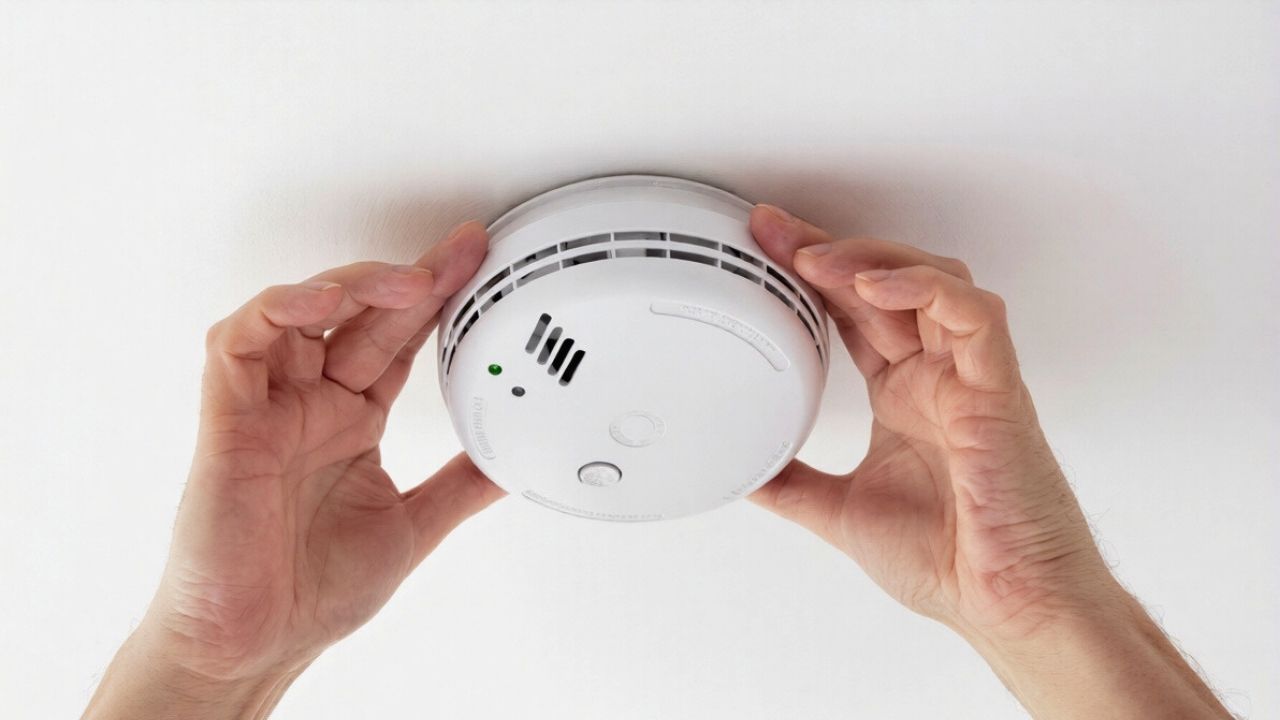
Manufacturers often recommend mounting units on the wall at about eye level or slightly higher, or on the ceiling if that is what the design requires, but they consistently warn against tucking them behind shelves or drapes. The point is not to chase a specific number of inches so much as to keep the detector in a clear path of circulating air, away from dead zones and obstructions. If you have a plug‑in model that sits low by default, consider pairing it with a battery unit at a better height in key areas so a single poorly placed device does not become your only line of defense.
Where detectors actually belong in a typical home
Once you understand the pitfalls, the recommended layout across your home starts to look more like a network than a single gadget. Industry guidance on Where you should place a carbon monoxide detector consistently calls for coverage Outside of each bedroom or sleeping area so that an alarm will wake you if a furnace or water heater fails overnight. The same advice highlights the value of a unit Inside an attached garage, where idling vehicles or small engines can generate dangerous levels of exhaust that seep into the house.
Those recommendations extend to every level of your home, including finished basements and upper floors, because carbon monoxide can travel through stairwells, ductwork, and gaps around pipes. If you live in a multi‑story house with an attached garage and a gas furnace, that can easily translate into three or more detectors: one near the bedrooms, one near the mechanical room or basement, and one in or just outside the garage entry. Treat that layout as a baseline rather than a luxury, especially if you have older appliances or use space heaters in winter.
Why “over the stove” and “by the fireplace” are false comforts
It feels logical to hang a detector right over the suspected source, but that instinct can backfire. A placement guide that promises to tell you all about carbon monoxide and Where to put your CO detector explicitly warns against mounting a unit directly over a fireplace or stove, because heat, soot, and temporary spikes in combustion byproducts can confuse the sensor. Instead of giving you a clean read on the background level in the room, the device may swing between nuisance alarms and premature failure, which tempts you to ignore or disable it.
The better strategy is to keep detectors in the same room or adjacent hallway, but offset from the appliance by several feet and away from direct heat or steam. That way, the sensor still sees any sustained rise in carbon monoxide from a cracked heat exchanger or blocked flue, without being battered by every flare‑up when you open the oven door. If you rely on a gas range or wood‑burning insert for daily cooking or heat, that small shift in placement can mean the difference between a trustworthy warning and a gadget you stop believing after the third false alarm.
How many alarms you really need, and how to space them
Deciding how many detectors to buy is not just a budget question, it is a coverage problem. Technical guidance framed as Placement Recommendations notes that at a minimum, experts want a CO alarm on each level of the home, ideally outside sleeping areas and away from direct drafts from a window or door. That spacing helps ensure that no matter where a leak begins, at least one sensor will see the rise in concentration before it reaches the bedrooms or main living spaces.
In a compact apartment, that might mean a single well placed unit in the hallway between the kitchen and bedroom, while a larger house with a finished basement, attached garage, and multiple bedrooms may need four or more. Think in terms of zones: sleeping, living, mechanical, and garage. If any of those zones is large or chopped into separate wings, consider adding a second detector rather than trusting one device at the far end of a corridor to catch a problem that starts behind a closed door.
Wall versus ceiling, and why drafts matter more than height debates
Homeowners often get bogged down in arguments about whether wall or ceiling mounting is “right,” but the more important question is what kind of air the detector is sampling. A practical guide to Carbon Monoxide Detector Placement on the Wall explains that for wall installations, you should avoid spots directly above radiators, near cooking appliances, or in areas where temporary spikes in CO levels might not reflect the overall risk. The same advice stresses that steady airflow, not just height, determines how quickly the sensor will see a dangerous trend.
Ceiling mounts can work well in open spaces with consistent circulation, but they become less reliable if a ceiling fan or high vent constantly pushes fresh air across the sensor while pockets of gas collect lower down. On the wall, aim for a location where you would naturally walk and breathe, away from corners and within sight so you notice any indicator lights or error codes. Whether you choose wall or ceiling, the non‑negotiables are clear: keep the unit out of dead air pockets, away from strong drafts, and in a place where you will hear it at night.
When the beeping is the problem, not the gas
One reason people move detectors to bad locations is simple frustration with noise. A loud chirp in the middle of the night can be alarming, but it might have nothing to do with carbon monoxide at all. Troubleshooting guides under headings like Why Is My Carbon Monoxide Detector Going Off explain that dead batteries or aging devices are common culprits, and that a single chirp pattern is often a maintenance alert rather than a full alarm. If you respond by yanking the unit off the wall and tossing it in a drawer, you have just traded a nuisance for a blind spot.
Instead, treat those sounds as a prompt to check the manual, replace the batteries, or retire a detector that has reached the end of its rated life, which is often around seven to ten years. Some models include a reset button and specific instructions on how to clear a fault code after you address the underlying issue, and guidance on what to do may include steps to Reset the Detector so it can resume normal monitoring. The key is to fix the cause of the chirp and then reinstall the unit in a proper location, not to silence it by moving it somewhere you will not hear it.
Turning a chirping box into a real safety system
If you walk through your home now, you may find detectors perched in all the wrong places: over a stove, beside a drafty window, or buried behind a curtain near the floor. The good news is that you can correct most of those mistakes in an afternoon with a screwdriver, a fresh set of batteries, and a willingness to follow the placement notes that came with your devices. Safety checklists on Dec Carbon monoxide detectors placement Don points out that avoiding humid rooms, fuel‑burning appliances, and direct drafts is just as important as buying the detector in the first place.
As you relocate units, use a structured approach. Start by mapping every level of your home, then mark sleeping areas, mechanical rooms, and any attached garage. Add detectors Outside of bedrooms, near but not on top of combustion appliances, and in the path between a potential source and the spaces where you spend the night. If you are unsure about a specific corner or height, manufacturer guidance on Installation Height and other placement tips is designed to help you maximize family protection and shield your home from dangerous exposure without turning your alarms into constant background noise. With that layout in place, the next time a detector chirps, it will be far more likely to be a meaningful warning instead of a missed opportunity.
Like Fix It Homestead’s content? Be sure to follow us.
Here’s more from us:
- I made Joanna Gaines’s Friendsgiving casserole and here is what I would keep
- Pump Shotguns That Jam the Moment You Actually Need Them
- The First 5 Things Guests Notice About Your Living Room at Christmas
- What Caliber Works Best for Groundhogs, Armadillos, and Other Digging Pests?
- Rifles worth keeping by the back door on any rural property
*This article was developed with AI-powered tools and has been carefully reviewed by our editors.