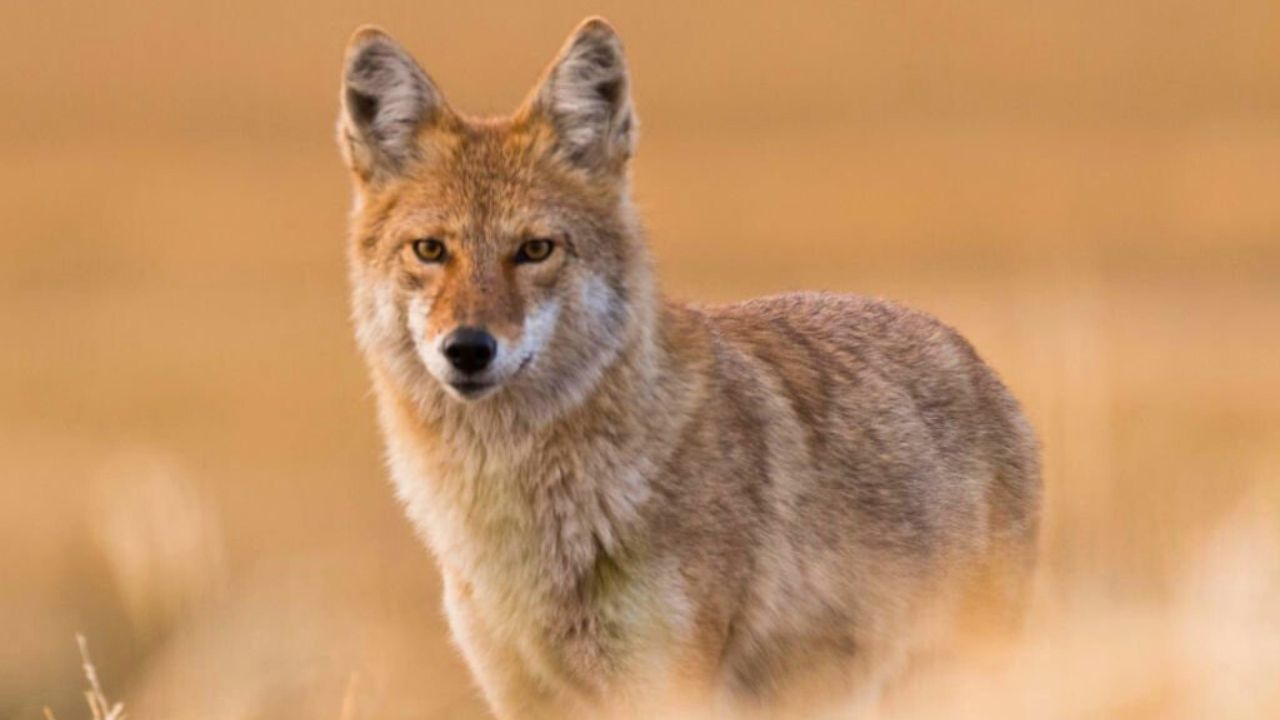
The common reason people miss coyotes at normal property distances
Coyotes are missed at backyard and pasture distances far more often than their size and reputation would suggest. When you look closely at why, a single pattern keeps surfacing: at normal property ranges, the limiting factor is almost never the rifle or the cartridge, it is how you handle the shot in the moment. If you understand what actually causes those clean misses and marginal hits, you can turn the next set of eyes in the fence line into a high‑percentage opportunity instead of another mystery disappearance.
The real “common reason” behind missed coyotes
When you strip away excuses about wind, ammo, or optics, the most consistent reason people miss coyotes at typical yard and pasture distances is poor trigger control under pressure. You are usually shooting from a less than perfect position, at a target that may only pause for a second or two, with your heart rate spiking because the animal finally broke cover. That cocktail leads to a subconscious yank on the trigger, a flinch against expected recoil, or both, and the muzzle jumps off the vitals just as the shot breaks. In close to midrange encounters, where bullet drop and drift are minimal, that tiny movement is often the only thing big enough to push an otherwise solid setup into a clean miss.
Experienced Shooters often underestimate how much that flinch moves the point of impact, especially when they are convinced their rifle is “dialed” from the bench. In detailed breakdowns of missed predators, instructors repeatedly point to trigger control as the hidden culprit that only shows up when fur is in the scope. Jan describes Cause No 1 as Flinching, noting that Shooters who flinch usually do not know it because recoil masks the mistake until they start analyzing misses on game. At “normal property” distances, where ballistics are forgiving, that human error becomes the dominant variable, which is why tightening your mechanics often produces a bigger jump in success than any new gear.
Why “normal property distance” is deceptively hard
On paper, the ranges you are likely to shoot around a homestead or small farm look easy. Many hunters report that Most of their shots on coyotes land around 100 yards, sometimes closer, especially when calling in open ground or broken sage. Others who have called in a bunch of different states and terrain, from rolling prairie to thick woods and high desert, say their average has often been 30 yards or less, with many setups ending in a coyote practically in their lap. At those distances, you do not need a custom rifle or exotic cartridge to hit a coyote’s chest, which is exactly why so many people assume any miss must be bad luck.
The reality is that “easy” distances invite sloppy fundamentals. You might rest the rifle on a fence post instead of a solid tripod, rush the shot because the coyote looks huge in the scope, or crank magnification higher than necessary and lose awareness of wobble. Hunters who have had coyotes hang up farther out, between 200 and 600 yards, often prepare carefully for those longer shots, checking wind and building a prone position, yet they treat a 70 yard opportunity like a formality. That mismatch between perceived difficulty and actual execution is where the “common reason” for misses lives: you relax your discipline just when you should be locking it in.
How coyote anatomy shrinks your margin for error
Another reason misses and poor hits cluster at everyday yardages is that coyotes are physically smaller targets than their fur suggests. When you see a mature animal trotting across a pasture, the winter coat makes the chest and shoulders look broad and forgiving. Once you skin one, the vital zone is surprisingly compact, and the difference between a center‑punch and a non‑lethal hit can be an inch or two. That is a narrow window when you are shooting off a truck hood or leaning against a porch post with adrenaline running high.
Target makers who specialize in predator silhouettes point out that these animals look big with their fur on, but once you skin them you see how small the margin of error is on an adult coyote’s heart and lungs. They warn that when you are even slightly off, you can clip a leg or muscle and watch the animal run off on three legs instead of dropping in its tracks. Ballistic guides add that Adult coyotes average around 18 inches tall at the shoulder, which means a high or low miss of just a few inches can slide over the back or under the chest and hit nothing vital. When you combine that small target with hurried trigger work, the odds of a clean miss at “easy” distance rise quickly.
Flinching, recoil and the Jan “Cause No” problem
Flinching is not just a beginner mistake, it is a deeply ingrained reflex that shows up most clearly on live animals. You might shoot tiny groups from the bench, but the moment a coyote appears and you anticipate the shot, your body tries to protect itself from recoil and noise. That anticipation leads to a push, jerk, or blink right as the trigger breaks, and the muzzle dips or jumps off target. Because the bullet is already gone by the time you feel the recoil, you rarely connect the miss with the flinch, and you blame wind, ammo, or the coyote’s movement instead.
Jan lays this out bluntly in a breakdown of predator misses, listing Cause No 1 as Flinching and explaining that Shooters who flinch usually do not know it until they start diagnosing their own habits. The advice is to treat recoil management and trigger press as skills you must train, not assumptions you can make because your rifle groups well. Dry fire, low recoil practice, and shooting from realistic field positions all help you recognize and correct the subtle pre‑ignition push that ruins shots. When you accept that flinching is a primary driver of misses at normal property distances, you stop chasing equipment fixes and start working on the part of the system you actually control.
Reading coyotes: movement, angles and behavior
Even perfect trigger control cannot save a shot taken at the wrong moment in a coyote’s movement cycle. These animals rarely stand broadside for long, especially around homes, barns, or livestock where they have learned to be cautious. They may trot in, hesitate for a second, then angle away or quarter toward you, constantly shifting the location of the vitals relative to your crosshairs. If you fire just as a leg moves forward or the body twists, a shot that looked centered can slide into the shoulder, guts, or empty air.
Hunters who have watched coyotes respond to calls across varied terrain report that behavior changes with pressure. Some coyotes are just naturally more cautious, and they will hang up at distances between 200 and 600 yards, circling downwind or staring into the setup without committing. Others charge in aggressively, then slam on the brakes at 30 yards or less, offering only a fleeting broadside. Detailed discussions of coyote behavior emphasize that you must anticipate these patterns, get on the rifle early, and be ready to break the shot during the brief window when the chest is exposed and relatively still. Waiting for a “perfect” pose that never comes is one way to miss, but so is rushing the trigger the instant fur appears without confirming angle and background.
Calling, setup and the “no coyotes” trap
Misses are not always about bullets that fly wide; sometimes you miss because you never get a shot at all. One of the most common rookie errors is calling in places where there are few or no coyotes, or calling so aggressively that educated animals hang up out of range. If you set up on the wrong side of the wind, park your truck in plain sight, or blast electronic distress sounds nonstop, you may hear distant howls and never see a single animal cross your property line. In that scenario, the “common reason” you are not connecting is simple: you are not putting coyotes in front of your crosshairs in the first place.
Veteran callers warn that YOU are often HUNTING in spots WHERE THERE are no coyotes, and they describe watching people burn daylight on pretty fields that simply are not holding animals. Others point out that Calling too much is a classic mistake, because Every hunter dreams of the perfect back‑and‑forth with a vocal coyote and ends up overdoing it. Guidance aimed at avoiding rookie errors stresses the importance of scouting sign, understanding how coyotes use wind and cover, and tailoring your volume and cadence so you do not educate every animal within earshot. When you fix those setup issues, you create more high‑percentage opportunities at manageable distances, which in turn exposes any lingering problems with your shooting mechanics that were previously hidden behind empty stands.
Optics, light and the Beginner perspective
Optics and lighting conditions can quietly sabotage your accuracy even when the range is modest. Around homes and small farms, many encounters happen at dawn, dusk, or under artificial light, when it is harder to pick out the exact point of aim on a mottled coat. If your scope is over‑magnified, has a thick reticle, or is not focused for the distance, the coyote’s chest can blur into the background. That visual uncertainty encourages you to “aim at the whole animal” instead of a precise spot, which is another way of saying you are guessing.
A Beginner who is still building confidence with gear and fieldcraft faces an even steeper curve. A detailed Guide to Coyote Hunting aimed at the American South notes that hunting coyotes is not the same as shooting paper, because these predators use cover, shadows, and their superior peripheral vision to stay just outside your comfort zone. The same resource explains that while there are some flashlights and thermal optics that extend your reach, you still need to understand how your reticle, illumination, and magnification interact with real animals at real distances. If you cannot clearly resolve the shoulder and front leg intersection, you are more likely to float the crosshairs over the general chest area and hope, which is exactly how marginal hits and clean misses happen at otherwise straightforward ranges.
Shot placement: vitals, angles and the “Best spot”
Knowing where to hold on a coyote is as important as knowing when to press the trigger. At normal property distances, bullet performance is rarely the limiting factor; instead, it is whether you place that bullet into the small vital zone that anchors the animal quickly. The ideal aiming point on a broadside coyote is typically just behind the front shoulder, halfway up the body, where the heart and lungs overlap. Quartering shots require you to visualize the path through the chest and adjust your hold accordingly, which is not always intuitive when the animal is moving or partially obscured by grass.
Ballistic guides emphasize that you should Adjust your aiming point for longer shots to ensure accuracy and penetration, but they also stress that the Best spot for a clean, lethal hit remains the same relative to the skeleton. Adult coyotes average around 18 inches tall at the shoulder, so if you hold too high you risk sailing a bullet over the back, and if you hold too low you can hit nothing vital. Detailed advice on where to shoot a coyote underscores that a small misjudgment in elevation or angle can turn a solid hit into a superficial wound. Practicing on realistic targets that mimic bone structure and vital size helps you internalize those holds so you are not trying to do anatomy math in the split second before the shot.
Building a property‑distance practice plan
To fix the most common reason you miss coyotes at normal property distances, you need a practice routine that mirrors the shots you actually take. That means getting off the bench and working from sitting, kneeling, and standing positions, often with improvised rests like fence posts, shooting sticks, or the rail of a deck. You should practice engaging targets between 30 and 150 yards, with a focus on smooth trigger press, follow‑through, and calling your shots. The goal is to make your field mechanics so familiar that when a coyote appears, you default to good habits instead of panicked reactions.
Hunters who have refined their standards talk about setting an accuracy requirement for coyotes that reflects real‑world conditions, not just tiny groups on paper. One discussion of property‑style shooting notes that Most of the shots are around 100 yards, often in 2 to 3 foot sage brush, and that just because a gun shoots well off bags does not mean it will perform the same when your heart is pounding and your support is wobbly. Others who have called across multiple states, from rolling prairie to thick woods, report that their typical shot has often been 30 yards or less, which demands fast target acquisition and disciplined trigger work more than long‑range ballistics. Incorporating those insights into a deliberate practice plan, with steel or paper targets that match a coyote’s vital size, is the most reliable way to turn missed opportunities into clean, ethical kills the next time a song dog slips along your fence line.
Supporting sources: Coyote hunting – what distance is your typical shot? – Predator Masters.
Like Fix It Homestead’s content? Be sure to follow us.
Here’s more from us:
- I made Joanna Gaines’s Friendsgiving casserole and here is what I would keep
- Pump Shotguns That Jam the Moment You Actually Need Them
- The First 5 Things Guests Notice About Your Living Room at Christmas
- What Caliber Works Best for Groundhogs, Armadillos, and Other Digging Pests?
- Rifles worth keeping by the back door on any rural property
*This article was developed with AI-powered tools and has been carefully reviewed by our editors.