The contractor paperwork step homeowners skip and regret later
Homeowners obsess over paint colors and tile patterns, but the decision that quietly determines whether a renovation becomes an asset or a liability is far less glamorous. The paperwork around permits, inspections, and a detailed written contract is the step many people skip, only to discover later that it controls everything from safety to resale value. When you treat that “boring” stack of documents as optional, you hand control of your project, your budget, and sometimes your legal rights to someone else.
The core promise of any contractor agreement is simple: you get the work you paid for, built safely and legally, with clear recourse if something goes wrong. That promise only holds if you insist on the right documents up front, from permits and zoning approvals to a line‑item budget and a final walk‑through sign‑off. The regret stories piling up from remodels gone sideways are not about grout lines, they are about missing signatures.
The real step you are skipping: permit and inspection paperwork
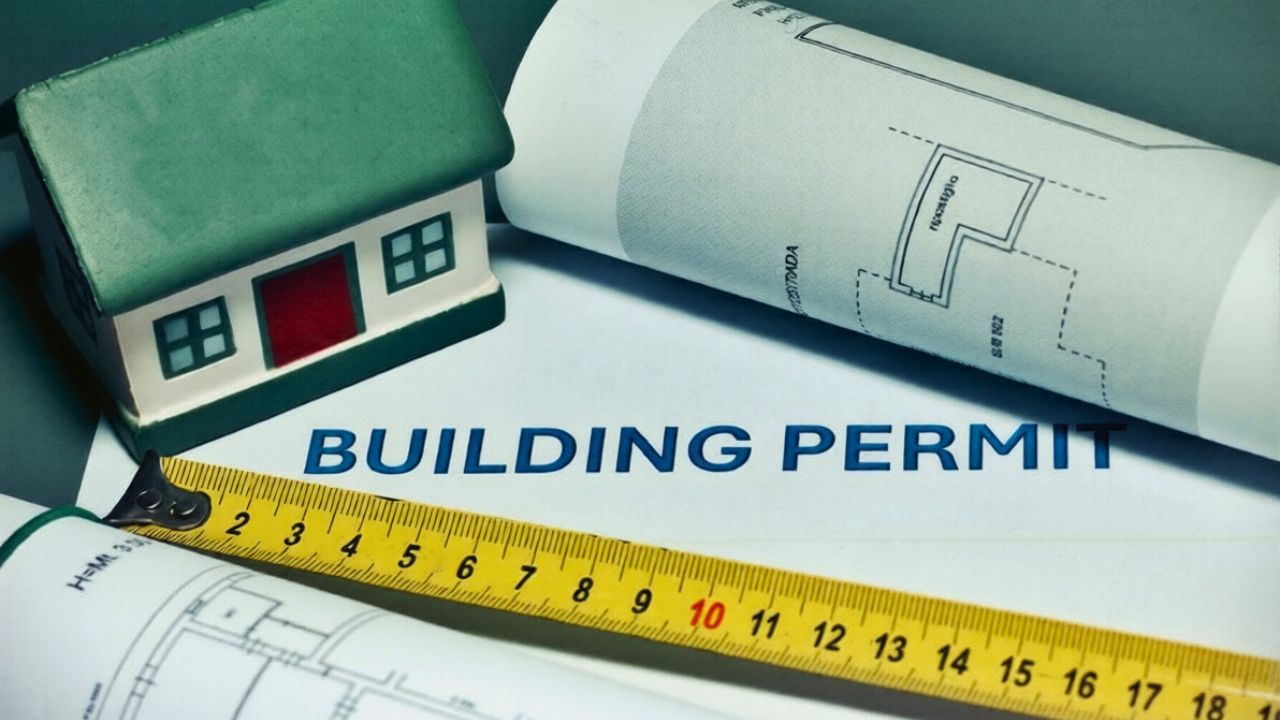
The most common blind spot is not design or budgeting, it is the decision to move ahead without proper permits and inspections. Contractors know that skipping this step can shave weeks off a schedule, which is why some quietly suggest you “don’t really need” a permit for that wall removal or electrical upgrade. Yet even short social clips warning that One mistake could ruin EVERYTHING are blunt about the risk: if work touches structural elements, electrical, plumbing, or major mechanical systems, you should assume a permit is required unless your local building office confirms otherwise.
Permits are not a revenue gimmick, they are a safety and accountability system. Multiple sources stress that Permits exist for a reason and that They ensure work is done safely, meets code requirements, and protects homeowners from future issues with insurance or resale. A licensed professional on Instagram put it even more starkly, saying that if they knowingly perform work that requires a permit and skip it, they can lose their license, adding “Full stop.” When a contractor is willing to risk your house on unpermitted work, they are signaling that their short‑term convenience matters more than your long‑term protection.
Why “we’ll handle the permits” is not enough
Even when a contractor promises to “take care of the permits,” you still need proof that the paperwork exists and is tied to your address and scope of work. A construction podcast episode titled My Contractor Ghosted Me walks through how missing documents, including project permits, can leave you with no leverage if a builder disappears mid‑job. Another financing guide warns that Missed Paperwork Missing documents can stall your funding and explicitly lists project permits and proof of insurance as forms You must double‑check before money is released.
Local rules can be complex, which is why some cities, like Tulsa, are experimenting with faster approval processes, including a 24‑hour permit option described as a way to skip a two‑week wait and save money on a remodel. Faster does not mean optional, though. A homeowner resource that calls itself a Homeowners Checklist and urges readers to Think of the site as a planning tool is blunt: Don’t try to avoid the hassle of getting permits, because unpermitted work may have to be disclosed upon the sale of your property and can trigger expensive corrections. If your contractor claims a permit is “in process,” ask for the permit number and verify it directly with the city before major work begins.
The contract mistake that turns into a six‑figure regret
Permits protect you with the city, but your contract is what protects you from the person swinging the hammer. A widely shared breakdown of 5 Common Mistakes Homeowners Make When Choosing a Contractor singles out Mistake 4 Skipping a Detailed Written Contract and explains why this is where projects go off the rails. A solid agreement spells out the Scope of work, Define the exact tasks involved, and Specify which materials will be used, down to brands, model numbers, and finishes. Without that level of detail, you have no objective way to argue that the contractor cut corners.
Budget clarity is just as critical as scope. A veteran remodeler in a video labeled Mistake #1: Not asking your contractor for a full budget broken down opens with “Read to the end” and then explains that After two decades in the remodeling industry, they noticed a pattern: Most homeowners walk away from projects unsure where their money actually went. That confusion is not an accident, it is a feature of vague paperwork. A line‑item budget that separates labor, materials, overhead, and contingency forces everyone to confront the real cost of change orders and upgrades before you are locked in.
Zoning, inspections, and the hidden ways paperwork bites back
Permits are only one part of the regulatory puzzle. Zoning rules dictate what you can build where, and ignoring them can be just as costly as skipping a permit. A contractor‑facing Instagram reel on the Top 5 mistakes homeowners make lists Skipping zoning review as mistake number one and notes that When the design does not match site rules, delays and redesigns become inevitable. That is not theoretical: if your new deck or addition violates setback rules, you may be ordered to tear it back or apply for a variance, both of which cost far more than a zoning check at the start.
Even when the work is technically allowed, your project is not complete until every required inspection is passed and documented. A consumer advisory on home improvement stresses that you must Complete all permits and inspections and that Depending on the type and scope of your project, failing to do so invites risk into your home. A construction handover guide aimed at professionals echoes the same warning, noting that Too often, incomplete inspections and missing documents turn the final step into a source of frustration, delays, and costly rework. If your contractor is eager to collect the final payment before the last inspection sticker is on the panel or the final sign‑off is in writing, that is a red flag, not a scheduling quirk.
The final walk‑through and punch list: your last chance to use the paperwork
Even with permits and a strong contract, you still need a structured finish. Real estate agents have started warning buyers that “This is the step buyers skip. And it quietly costs people thousands,” referring to the final walk‑through where they confirm the home is clean and agreed repairs are complete. The same logic applies to your renovation. A detailed final inspection with your contractor, guided by your contract and permit scope, is where you catch missing items before you lose leverage. A renovation checklist urges homeowners to verify that Water heats up properly and quickly, to Test hot water in kitchen and bathroom, and to confirm that Ventilation and Climate systems work, including Air vents and extractor fans, before signing off.
Professional construction teams treat this as a formal handover, not a quick glance. Industry guidance on construction handover notes that Too often, missing documents and unclear roles at this stage lead to delays and rework. Your goal is the opposite: a punch list that ties every outstanding task to a written commitment and, ideally, a small portion of the contract sum held back until completion. If your contractor pushes you to sign a “completion” form without walking room by room against the contract and permit scope, you are being asked to give up your last real bargaining chip.
Like Fix It Homestead’s content? Be sure to follow us.
Here’s more from us:
- I made Joanna Gaines’s Friendsgiving casserole and here is what I would keep
- Pump Shotguns That Jam the Moment You Actually Need Them
- The First 5 Things Guests Notice About Your Living Room at Christmas
- What Caliber Works Best for Groundhogs, Armadillos, and Other Digging Pests?
- Rifles worth keeping by the back door on any rural property
*This article was developed with AI-powered tools and has been carefully reviewed by our editors.