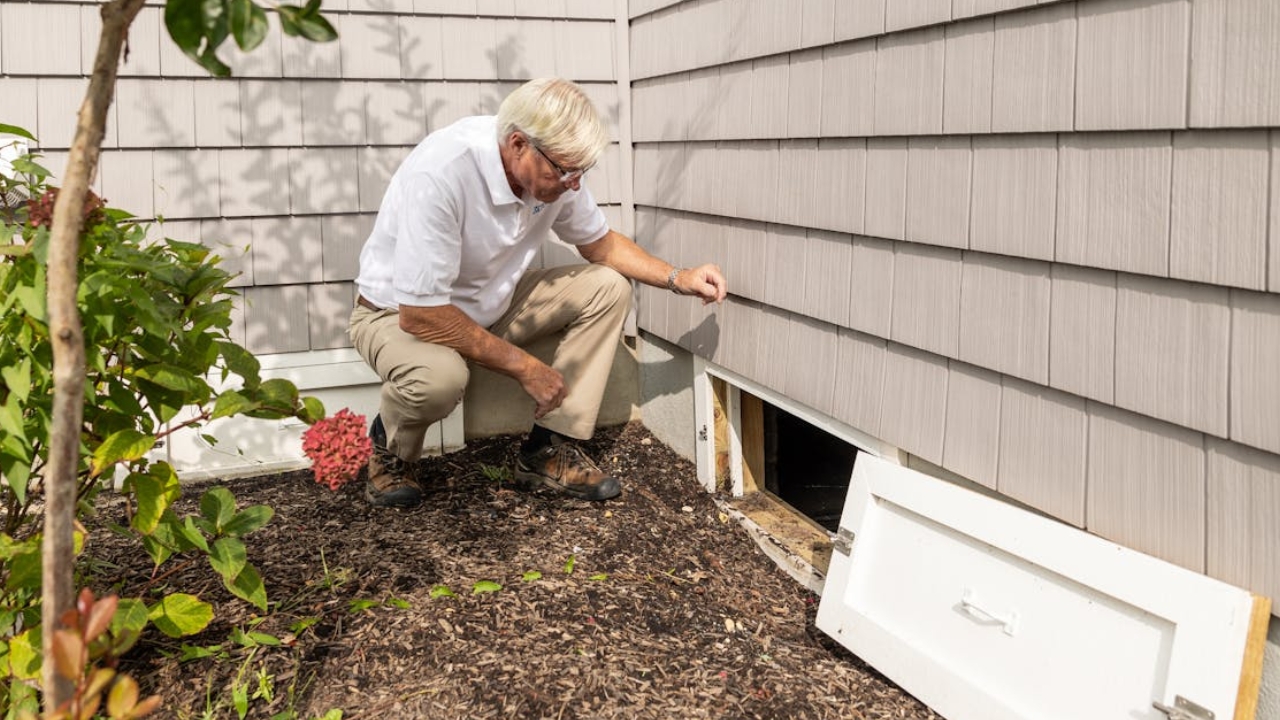
The crawlspace issue that makes buyers nervous fast
Nothing chills a promising home tour faster than a buyer hearing the words “wet crawlspace.” You might have fresh paint, new appliances, and perfect staging, but if the space under your floors looks neglected or damp, buyers start imagining mold, structural damage, and endless repair bills. To keep that from happening, you need to understand exactly why crawlspaces trigger such fast anxiety and how to turn a potential deal-breaker into a quiet selling strength.
The hidden space that quietly shapes buyer confidence
From a buyer’s perspective, the crawlspace is the part of the house that tells the truth. You can declutter closets and upgrade countertops, but the area under the floorboards reveals how the property has really been maintained. When a buyer sees standing water, sagging insulation, or crumbling wood, they immediately connect that hidden neglect to future costs and health worries, which is why crawlspace problems routinely show up on inspection reports as leverage for price cuts or repair demands.
Professionals who work in this niche warn that crawlspaces often hide Hidden Problems like moisture, mold, and pest infestations that can undermine both comfort and structure. Those issues are not just cosmetic. They can affect indoor air quality, damage framing, and even shorten the life of flooring systems above. When you recognize that buyers are really evaluating the entire health of the house through this one cramped area, it becomes clear why a messy or damp crawlspace makes them nervous so quickly.
The crawlspace issue that spooks buyers fastest: moisture
Among all the red flags under a house, chronic moisture is the one that sends buyers’ imaginations racing. Water stains, damp soil, or condensation on ductwork suggest that the crawlspace has been wet for a long time, not just after a single storm. That raises immediate questions about mold, wood rot, and whether the foundation is being slowly undermined. In a competitive market, buyers who see a wet crawlspace often decide it is safer to walk away than to gamble on what else might be lurking out of sight.
Specialists describe how Improper grading, poor surface drainage, and Groundwater intrusion can all feed a Wet Crawlspace, and they stress that a thin sheet of plastic is not real moisture control. Other inspectors point out that crawlspaces without a proper moisture barrier system allow damp air to rise into living areas, which is why one report bluntly notes that But moisture that makes its way into your crawlspace can cause significant problems for homes without that protection. When buyers understand that moisture equals long term risk, they react quickly to even small signs of dampness.
Why moisture under the house feels like a financial trap
For buyers, a wet crawlspace is not just a maintenance note, it is a potential money pit. They know that water problems rarely stay contained. If the crawlspace is damp, they worry that subflooring might already be compromised, that joists could be soft, or that mold remediation will require tearing out finishes they just paid for. The fear is not irrational. Moisture problems tend to escalate quietly, and by the time they are obvious, the repair scope can be wide.
Contractors who work with real estate deals warn that in Moisture heavy crawlspaces, Money Lost shows up as mold, rusted metal, and rot on beams or joists that buyers cannot ignore. Foundation and waterproofing experts add that similar patterns appear in basements, where Common Basement Water Issues in Home Sales Water Seepage and Pooled Water are treated as a clear sign of excessive moisture penetration. When buyers see those same warning signs under your house, they mentally start adding up the cost of drainage work, structural repairs, and air quality fixes, and their negotiating posture hardens accordingly.
How crawlspace anxiety feeds broader homeowner stress
Even after closing, crawlspace worries can keep new owners on edge. Many first time buyers already feel a low level hum of anxiety about every noise and stain in their home, and a damp or musty area under the floors amplifies that. If you leave unresolved moisture issues for the next owner, you are not just passing along a repair bill, you are handing them a constant source of doubt about what might be happening out of sight.
That emotional side of ownership shows up in candid conversations where people admit they jump at every creak. In one discussion, a user named CirclingBackElectra responded to a thread titled Jan by saying, “Omg, I feel you. Was that noise a pipe bursting!? Does that drywall have asbestos in it?” Those lines, including Omg, Was, and Does, capture how quickly small concerns can spiral. When the crawlspace already looks questionable, every new sound or smell feels like confirmation that something expensive is brewing below.
The specific crawlspace red flags buyers are trained to spot
Modern buyers arrive with more information than ever, and many have read checklists that tell them exactly what to look for under a house. They are primed to notice musty smells, visible mold, hanging insulation, and signs of pests. If you assume they will not bother to look, you are underestimating how much online research and inspection horror stories shape their expectations. By the time they schedule a showing, they already know that the crawlspace is where serious problems like structural decay and air quality issues tend to hide.
Guides aimed at buyers highlight that Here are some of the most common crawlspace issues that should raise concern, starting with Musty Odors as a telltale sign of moisture problems. Other resources aimed For Buyers warn, Don’t Overlook the Crawlspace because Crawlspaces can conceal mold, wood rot, or pest infestations that may not be visible anywhere else. When you know buyers are walking in with that mental checklist, it becomes obvious that ignoring the area under your home is no longer an option.
Health and structural stakes that turn curiosity into fear
Once moisture takes hold, the crawlspace stops being a simple storage zone and becomes a health and safety issue. Mold spores, dust, and damp air can move upward into living spaces, especially in homes with leaky ductwork or gaps in the subfloor. Buyers who have children with asthma or allergies are particularly sensitive to this, and they often treat any sign of mold as a hard stop, not a negotiable defect. At the same time, long term dampness quietly eats away at wood, which can lead to bouncy floors or even localized failures.
Inspectors who catalog the biggest crawlspace problems note that Jun reports Let you know that mold and poor air quality in these spaces can aggravate asthma and cause skin rashes, while standing water and high humidity accelerate wood rot. Another guide on buying a house with a crawlspace explains that Issues avoided with proper encapsulation include Mold and mildew, Wood rot and structural damage, and Floor failure. When buyers connect what they see under the house to those specific risks, their concern shifts from cosmetic annoyance to protecting their family and the building itself.
Why sellers cannot afford to ignore crawlspace prep
If you are selling, treating the crawlspace as an afterthought is a costly mistake. Real estate pros talk openly about the things that scare buyers away, and they consistently put neglected underfloor spaces near the top of the list. You might not feature the crawlspace in your listing photos, but it will feature prominently in the inspection report, and that is where deals often wobble. Addressing problems before you list gives you more control over the narrative and reduces the chance of last minute renegotiations.
One agent focused on buyer psychology puts it bluntly in a short video, saying, “Let’s talk about the things that scare buyers away… There are plenty of them however, most of them can be handled before buyers ever walk through the door,” emphasizing that the goal is to make buyers feel confident, not scared. That message, captured in a clip where Let and There frame the conversation, applies directly to your crawlspace. Specialists who work with both sides of a transaction add that, No matter which way the real estate market moves, you may run into bumps if you fail to take preventative steps, which is why they urge you to have your crawlspace inspected by Crawlspace Solutions before listing.
What smart buyers look for before they commit
On the buying side, you protect yourself by treating the crawlspace as a core part of your due diligence, not an optional peek. That means asking your inspector to physically enter the space when it is safe, photograph conditions, and explain what they see in plain language. You want to know whether moisture is seasonal or chronic, whether there is a functioning vapor barrier, and whether any structural members show signs of past repairs. If access is blocked or the seller resists, that in itself is a signal to slow down and ask more questions.
Specialists who advise buyers outline How the Crawl Space Affects Buying a House by listing What problems are common in these areas and When crawl spaces are neglected, they can undermine the entire structure instead of protecting it for years to come. Another guide on Crawl Spaces – What to Look For when Selling or Buying a Home notes that It’s very easy to do basic improvements, and You can hire a handyman or a termite company, since Most of the work, such as a microbial wash, is straightforward when caught early. As a buyer, that context helps you distinguish between a crawlspace that needs routine upgrades and one that signals deeper trouble.
Turning a liability into a selling point with real fixes
The good news is that crawlspace problems that scare buyers can often be corrected in a way that actually strengthens your listing. Instead of a dark, damp void, you can present a clean, dry, well lit space with clear evidence of recent professional work. That might include a continuous vapor barrier, sealed vents where appropriate, and documentation of drainage improvements. When buyers see that level of care, they are more likely to view the home as well maintained and worth a stronger offer.
Encapsulation specialists explain that a comprehensive approach often includes Installing a Dehumidifier and Ensuring Proper Air Flow to maintain dry air and prevent mold growth, steps that should be discussed further with a crawlspace expert. When those upgrades are in place, you can credibly tell buyers that the area under the home has been modernized to manage moisture, not just patched for show. Combined with clear inspection reports and invoices, that turns what used to be the fastest way to scare buyers off into a quiet but powerful reason for them to feel comfortable moving forward.
Like Fix It Homestead’s content? Be sure to follow us.
Here’s more from us:
- I made Joanna Gaines’s Friendsgiving casserole and here is what I would keep
- Pump Shotguns That Jam the Moment You Actually Need Them
- The First 5 Things Guests Notice About Your Living Room at Christmas
- What Caliber Works Best for Groundhogs, Armadillos, and Other Digging Pests?
- Rifles worth keeping by the back door on any rural property
*This article was developed with AI-powered tools and has been carefully reviewed by our editors.