The curb appeal “upgrade” that actually lowers home value
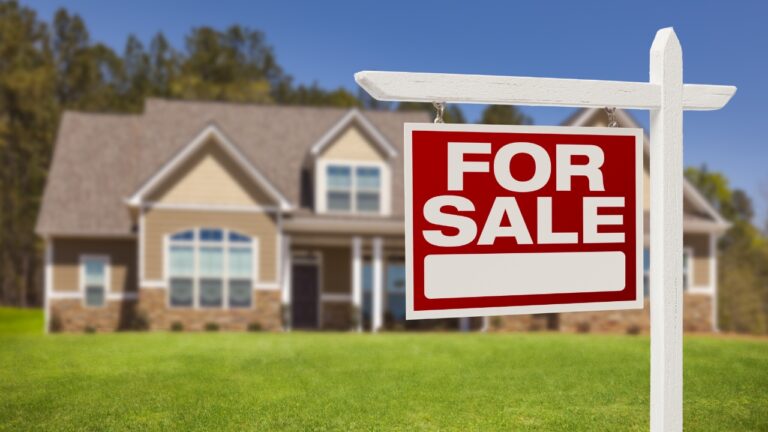
Your front yard can quietly add thousands to your eventual sale price, or just as quietly scare off serious buyers before they ever step inside. Curb appeal does matter, but not every “upgrade” belongs in the win column. Some of the most popular exterior projects actually chip away at value, shrink your buyer pool, or saddle the next owner with costs they do not want.
If you want your home to photograph well, feel inviting, and still protect resale, you need to separate smart curb appeal moves from the flashy missteps. That starts with understanding the one “improvement” that consistently backfires, and how it triggers a chain reaction of lower offers, tougher appraisals, and longer days on market.
The curb appeal trap: when “wow” becomes a liability
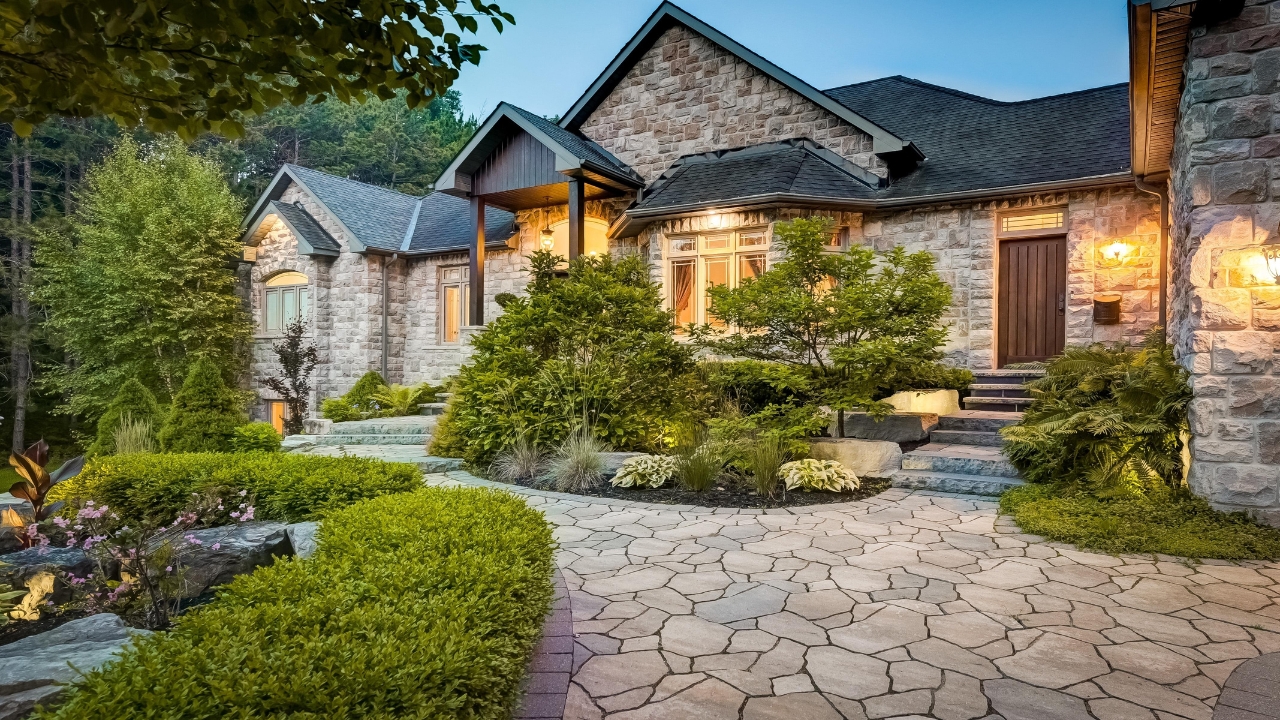
Homeowners are constantly told that curb appeal sells houses, so it is easy to assume that any dramatic change to the front of your property is a good idea. In reality, buyers respond best to a balanced exterior that looks tidy, updated, and easy to maintain, not a highly customized statement piece that reflects one person’s taste. Guidance from professional stagers emphasizes simple moves such as trimming shrubs, refreshing mulch, and adding a few coordinated pots near the entry, because those touches read as “well cared for” without locking a future owner into your style choices, as shown in advice on curb appeal.
Chasing a big “wow” moment instead of that balanced look often leads to projects that are expensive to build and even more expensive to maintain. Intricate landscaping, oversized water features, and sprawling hardscape can look impressive in listing photos, but they also telegraph long weekends of yard work and higher utility bills. Renovation data on exterior projects shows that buyers usually reward improvements that are visually clean and functional, such as updated siding or a new front door, while elaborate, high maintenance additions tend to have a much weaker return on investment, especially when they do not match what is typical for your area.
The upgrade that backfires first: sacrificing your garage for looks
The curb appeal “upgrade” most likely to drag your value down is turning your garage into finished living space so the exterior can look more like a designer cottage or studio. On paper, you gain square footage and a more stylized facade, but you give up secure parking and built in storage, which are two of the most requested features among buyers. Guidance on Improvements that may value explicitly flags projects that remove space for parking and storage as risky, because they solve a design itch at the expense of everyday function.
Once you convert that garage, you also change how the front of your home reads from the street. Instead of a traditional facade with a clear place to park, buyers see extra windows or French doors where they expect a garage door, and they immediately start calculating where their 2022 Honda CR-V or 2024 Ford F-150 will go. For buyers with kids, the next thought is hauling strollers, sports gear, and groceries through rain or snow without covered parking. Layer those concerns on top of the cost to reverse the conversion, and many buyers simply move on to the next listing, which shows up in fewer offers and more aggressive negotiation on price.
Why buyers value garages more than extra finished space
If you are tempted to “steal” the garage for a bigger family room or home gym, you need to look at how buyers rank priorities. Research on Garage Storage Ample shows that 82% of professionals agree that garage storage is important to buyers, which means most shoppers walk in expecting that space to handle overflow belongings, tools, and seasonal items. When you erase the garage, you are not just removing a place to park, you are removing one of the core reasons a single family home feels more livable than an apartment.
Contractors who guide clients through renovation plans often warn that extra finished square footage does not automatically translate into a higher sale price if it replaces something buyers see as essential. Practical advice on home needs evolve stresses that a garage can add real value and functionality when you improve it, for example by adding better storage or insulation, but that is very different from wiping it out entirely. When you look at buyer wish lists and resale data side by side, the pattern is clear: you gain more by upgrading the garage than by pretending you never needed one.
How garage conversions hurt appraisals and ROI
Even if you love the new bonus room where your garage used to be, an appraiser has to look at the property through a buyer’s eyes and through comparable sales. Renovation guidance that analyzes cost vs value shows that projects with the strongest returns tend to preserve or enhance core features of the home rather than removing them. When you eliminate a standard two car garage in a neighborhood where almost every comparable property still has one, you create a mismatch that can drag down the appraised value, regardless of how much you spent on flooring, drywall, and lighting.
Financial advisors who study home improvement returns also flag this mismatch as a common mistake. Consumer guidance on value of home explains that some projects cost more than the increase in value they generate, especially when they appeal to a narrow audience. A garage conversion often falls into that category, because the next owner may have to budget for converting it back or for building a new parking solution, and both scenarios reduce what they are willing to pay you now.
When more square footage does not mean more value
Part of the appeal of turning a garage into living space is the idea that you are “adding” square footage at a discount compared with a full addition. Renovation commentary that asks What Are the a home’s value points out that, generally speaking, renovations will add some value, but there is no guarantee of a significant increase in property value if the work does not align with what buyers actually want. Adding a media room where a garage used to be might look like a clever way to grow the listing’s square footage, yet buyers who prize storage and parking will still see it as a downgrade.
Legal and financial guides that walk you through renovation planning echo this caution. Advice framed as What are the highlights profit killers such as focusing only on the inside and ignoring curb appeal, but it also warns against choices that reduce broad appeal. A garage conversion manages to do both: it changes the exterior in a way that confuses buyers and it reshuffles interior space away from the storage and flexibility that most households need.
Why overbuilt landscaping and backyard “resorts” also miss the mark
Even if you leave the garage intact, you can still hurt value by overcomplicating the yard in pursuit of a magazine worthy look. Expert advice on Vegetation Overgrowth draws a clear line between lush planting and an overgrown jungle, warning that mismatched plants, dense beds, and personal decor can make buyers think about maintenance headaches instead of outdoor enjoyment. When your front or back yard looks like it needs a full time gardener to keep up, many buyers mentally subtract the cost of taming it from what they are willing to offer.
Outdoor design coverage that evaluates Pools and intricate landscaping notes that these features tend to be the highest maintenance additions to your outdoor space, which can make them less attractive when you decide to sell. A sprawling koi pond, tiered retaining walls, or a complex irrigation system might thrill you, but a buyer who travels often or works long hours will see risk, cost, and time. Just as with a garage conversion, you are effectively narrowing your buyer pool to people who share your exact preferences and are willing to inherit your to do list.
The smarter curb appeal play: light, paint, and low maintenance greenery
By stepping back from the most dramatic ideas, you can focus your exterior budget on improvements that consistently show up as value boosters. Practical checklists for sellers point out that Painting the outside of a home can increase the value by $7,571 and offers a 152% ROI when you choose a broadly appealing color. Those same checklists warn you to steer clear of very bold or dark exterior paint, because unusual colors can turn off buyers who are otherwise enamored by your home and force them to budget for repainting.
The same logic applies to smaller upgrades such as lighting and planting. Guides that explain Why you should upgrade your builder grade lighting highlight how vibrant lighting is often one of the most overlooked upgrades, even though it dramatically improves how a property feels in the evening. Landscaping tips from builders who specialize in curb appeal recommend simple moves like a well groomed lawn, fresh mulch, and trimmed bushes, echoing neighborhood advice that well groomed lawn can completely change the look of any home. These projects keep maintenance manageable while still delivering a strong first impression.
Budget friendly ways to boost value without risky conversions
If your real goal is to increase what your home is worth, you have far better options than sacrificing the garage or building an elaborate show garden. Practical renovation guides that ask if you are Ready to Renovate Your Home recommend starting with Step 1, which is to Determine Your Goals for Adding Home Value. That means prioritizing projects with clear benefits, such as improving energy efficiency, refreshing tired finishes, and fixing rough edges that might worry a buyer’s inspector, instead of chasing square footage at any cost.
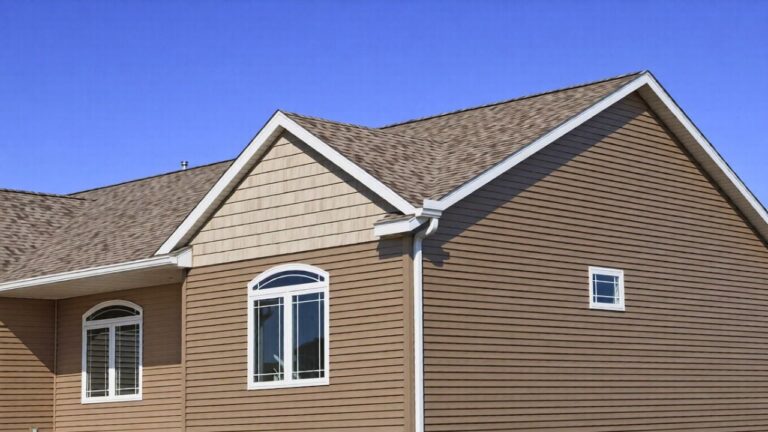
Lists of Inexpensive and Easy Home Improvements that Increase Value often include tasks like upgrading door hardware, replacing worn carpet, or adding a fresh coat of neutral paint inside. Exterior renovation specialists who focus on Investing in home renovations point out that targeted exterior upgrades, such as new siding or a modern front door, can increase your home’s value while enhancing its curb appeal, and that these upgrades offer a solid return on investment. None of those strategies require you to give up the garage or create an outdoor space that only a handful of buyers will want to maintain.
How to pressure test your next curb appeal idea
Before you commit to any big exterior change, you can run a simple test to see whether it is more likely to help or hurt your value. Start by walking your block and noting what is standard in your neighborhood: if nearly every property has a two car garage, a simple lawn, and a modest front porch, then your plan to remove the garage or add a sprawling fountain is probably out of step. Renovation risk checklists that warn against Overbuilding for the explain that high end upgrades that do not match the surrounding market can make it difficult to recoup costs, because buyers compare your home to nearby options, not to a hypothetical ideal.
It also helps to talk to professionals who see hundreds of transactions a year. Real estate research on remodeling, such as the Discovered Home Improvements That Actually Increase Property Value reports, compiles how buyers react to specific projects and how much of your investment you are likely to recoup. When you combine that data with local agent insight and a realistic look at your own neighborhood, the pattern becomes clear. The safest path is to keep your garage, keep your landscaping attractive but manageable, and focus your curb appeal budget on projects that make your home feel more welcoming, not more complicated, for whoever comes next.
Like Fix It Homestead’s content? Be sure to follow us.
Here’s more from us:
- I made Joanna Gaines’s Friendsgiving casserole and here is what I would keep
- Pump Shotguns That Jam the Moment You Actually Need Them
- The First 5 Things Guests Notice About Your Living Room at Christmas
- What Caliber Works Best for Groundhogs, Armadillos, and Other Digging Pests?
- Rifles worth keeping by the back door on any rural property
*This article was developed with AI-powered tools and has been carefully reviewed by our editors.