The DIY “upgrade” that can quietly create a claim fight later
Across the country, you are encouraged to treat your house like a project, not a finished product. Tutorials promise that a weekend of effort and a few hundred dollars in materials can deliver the kind of upgrades that used to require a contractor. What those videos rarely mention is that a single “simple” DIY upgrade, especially one that touches wiring, plumbing, or structure, can quietly set you up for a brutal argument with your insurer when something goes wrong.
The risk is not just that you might do the work imperfectly. The deeper problem is that home insurance is built on assumptions about how your home was built, what it is worth, and who is allowed to alter it. When you change those assumptions without permits, documentation, or notice, you give your insurer room to say the damage is not covered, or that your policy never contemplated the home you actually live in now.
The quiet gap between your project and your policy
When you pick up a drill or a reciprocating saw, you are not only changing your home, you are changing the risk profile your insurer agreed to cover. Policies are priced around the size of your house, the materials in it, and the systems that keep it safe. If you add square footage, reconfigure rooms, or swap out key components without looping in your carrier, you create a gap between the home described in your policy and the home that actually exists, which can become a flashpoint when you file a claim.
Insurers are increasingly explicit that renovations are no longer a casual detail but a core underwriting factor. Industry guidance notes that projects like Adding Square Footage, complex electrical or plumbing changes, and structural alterations can all trigger higher premiums or new conditions, especially if they are not disclosed. When you treat those changes as a private DIY experiment instead of a material change to the risk your insurer is carrying, you set the stage for a future dispute over whether a loss is covered at all.
Why insurers now treat renovations as “must know” information
For years, you could remodel a room or swap fixtures and your insurer might never ask about it. That is changing. As claims costs rise and climate risks compound, carriers are scrutinizing how homes are built and modified, and they are asking more questions about what you have done to the property since the policy was written. Renovations that once felt like a personal matter are now treated as critical data points that can change your coverage, your deductible, or even your eligibility.
Recent reporting describes how Insurers have shifted renovation details from “nice to know” to “must know,” treating upgrades as central to how they price and structure policies. That shift means a DIY project that never makes it into your file can look, from the carrier’s perspective, like undisclosed risk. If a fire, leak, or collapse traces back to work they did not know about, you may find yourself arguing not just about the size of a payout but about whether the loss is covered at all.
The DIY electrical “upgrade” that can void coverage
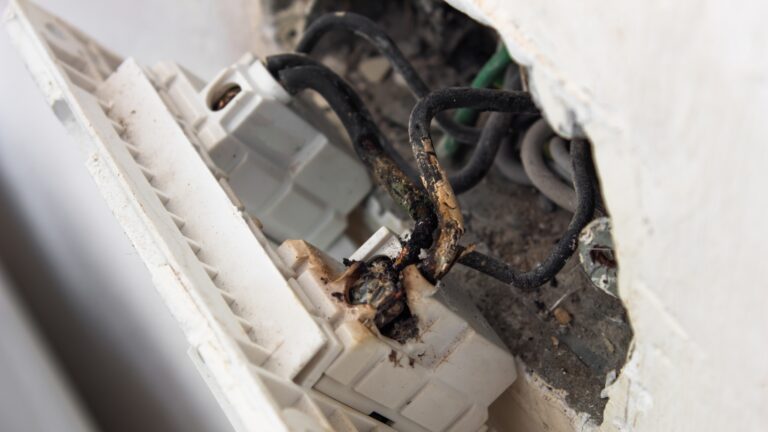
Among all the projects you might tackle, DIY electrical work is the one most likely to turn a proud upgrade into a coverage crisis. Running a new circuit for a workshop, adding recessed lighting, or moving outlets for a wall-mounted TV can feel straightforward if you have watched enough tutorials. Yet insurers and inspectors treat any unlicensed wiring as a red flag, because a hidden mistake can smolder for months before erupting into a catastrophic fire.
Specialists warn that faulty wiring is a textbook example of how a seemingly successful project can unravel later, with The Hidden Risks Behind DIY Electrical Repairs including explicit scenarios where Insurance claims are denied after fire damage is traced to unpermitted work. Inspection experts go further, noting that DIY projects that touch wiring can fall under “Electrical Work Can Invalidate Insurance Homeowners” clauses that require repairs to be done by a certified electrician. In practice, that means the upgrade you are most proud of can become the very reason a fire claim is rejected.
When “illegal” DIY crosses from risky to uninsurable
Not every DIY project is just a gray area. Some common renovations are flatly illegal without permits or licensed trades, and that legal line matters when you try to collect on a policy. If you knock down a load‑bearing wall, reroute gas lines, or install a new bathroom where plumbing was never designed to go, local codes may require inspections and sign‑offs that a weekend project simply does not have. When those rules are ignored, you are not only breaking building law, you are giving your insurer a straightforward reason to walk away from a claim.
Recent coverage of the DIY boom notes that the “DIY Revolution” is colliding with code enforcement, with 9 common home renovations now flagged as actually illegal in 2026. That reporting warns that ignoring permits can lead to total denial of insurance claims, especially when unapproved work is tied to structural failure or serious injury. In other words, once your project crosses into the realm of prohibited construction, you are no longer just testing your skills, you are testing whether your policy will respond at all.
The high‑stakes upgrades: kitchens, baths, and added rooms
Some of the most popular projects are also the ones that most dramatically change your home’s value and risk profile. A new kitchen with high‑end appliances, a spa‑style bathroom with a walk‑in shower, or a finished attic that becomes a bedroom all increase what it would cost to rebuild your home after a loss. If your insurer is still pricing your policy as if you have builder‑grade cabinets and a single basic bath, there is a mismatch that can surface painfully when you need to rebuild.
Guides to renovation risk point out that Major kitchen and bath remodels are among the top upgrades that complicate claims if you do not document them, especially when high‑value finishes are added. Other analyses of Upgrading spaces like these note that, According to the Cost versus Value Report and similar data, such projects can significantly raise the replacement Cost and overall Value Report of your home, which should be reflected in your policy’s Remodeling Magazine style replacement limits. If you handle these as DIY jobs without permits, receipts, or updated coverage, you risk discovering after a fire or flood that your insurer will only pay to restore the old, cheaper version of your house.
Why “call your agent before you start” is not optional
One of the simplest ways to avoid a future claim fight is also the step homeowners skip most often: telling your insurer what you are about to do. You may worry that calling will automatically raise your premium or invite scrutiny, but silence is usually more expensive. When you notify your carrier before you open a wall or pour a slab, you give them a chance to flag coverage gaps, adjust limits, or require certain safeguards, which can protect you later if something goes wrong mid‑project.
Insurance advisors frame this as a basic first move, describing Step 1 as “Notify Your Insurance Provider” and emphasizing that Before any renovation, you should confirm how the work will be covered. Renovation checklists echo that guidance, urging you to review whether Here you need higher limits for Adding Square Footage or new Rooms, or whether Expanding your home with complex electrical or plumbing upgrades will require inspections to keep premiums in check. Treating that call as part of your planning, not an afterthought, turns your insurer from an adversary into a partner in managing the risk you are creating.
Where DIY is encouraged, and where it clearly is not
None of this means you have to hang up your tool belt. There are plenty of projects that insurers and safety experts consider low risk, especially when they do not touch structural elements or building systems. Fixing a sticking sliding door, repainting walls, replacing cabinet hardware, or installing snap‑together flooring are the kinds of improvements that can make your home more livable without raising red flags in a claims file.
Consumer‑focused repair guides highlight DIY Home Repairs You Can Tackle Yourself in 2026, such as Fixing a Stuck or Hard to open sliding door by trimming excess material and tightening loose connections. By contrast, more technical projects like Six DIY Home Renovation Projects That Impact Your Insurance, including Kitchen Renovations and other major changes, are flagged as work that can affect whether your policy will cover injuries or property damage. The practical rule is simple: if a mistake could cause a fire, flood, or collapse, or if a permit would normally be required, your insurer is likely to expect a licensed professional, not a weekend hobbyist.
How a claim fight actually unfolds after a DIY mistake
The real danger of a risky DIY upgrade is not just that something might break. It is the chain of events that follows when you file a claim and your insurer starts asking how the damage happened. Adjusters are trained to look for signs of unpermitted work, from mismatched wiring to nonstandard framing. Once they suspect a DIY project is involved, they can pull permits, request contractor invoices, and compare your current layout to the one on file, all in search of a reason to classify the loss as excluded.
Claims experts describe scenarios where a homeowner’s own handiwork becomes the central issue, with one advisory warning that if faulty wiring sparks a fire, your carrier may deny the claim because it was not done by a licensed professional, a pattern highlighted in guidance on when DIY can backfire. That same guidance notes that when unapproved work is involved, insurers may argue that coverage never applied to the damage that happens later, effectively shifting the cost of repair or rebuilding back onto you. By the time you are in that argument, the project is long finished, and your only leverage is the documentation and disclosures you made before anything went wrong.
Turning your next project into an insurance‑proof upgrade
If you want the satisfaction of improving your home without inviting a future coverage dispute, you need to plan your projects with your policy in mind. That starts with sorting your to‑do list into true DIY tasks and jobs that should be handled by licensed trades, then building in time and budget for permits, inspections, and higher coverage limits where needed. It also means keeping meticulous records, from photos and receipts to contractor licenses and inspection reports, so you can prove what was done, when, and by whom.
Renovation checklists for 2025 and beyond emphasize that you should treat documentation as part of the project, not an afterthought, especially for Dec projects like Major remodels that can complicate claims if you do not document them first. Broader analyses of how Dec renovation trends are reshaping coverage show that Insurers now expect that level of transparency as standard. If you build those expectations into your planning, the upgrades you make will not just look better on Instagram, they will stand up when your adjuster is the one scrutinizing your handiwork.
Like Fix It Homestead’s content? Be sure to follow us.
Here’s more from us:
- I made Joanna Gaines’s Friendsgiving casserole and here is what I would keep
- Pump Shotguns That Jam the Moment You Actually Need Them
- The First 5 Things Guests Notice About Your Living Room at Christmas
- What Caliber Works Best for Groundhogs, Armadillos, and Other Digging Pests?
- Rifles worth keeping by the back door on any rural property
*This article was developed with AI-powered tools and has been carefully reviewed by our editors.