The DIY wiring shortcut that creates hidden heat in the wall
Behind a freshly painted wall, a single shortcut splice can quietly turn into a heating element you never meant to install. When you twist wires together, tape them, and bury the joint out of sight, you are not just breaking electrical code, you are creating a hidden source of resistance that can smolder for months before anyone smells smoke. Understanding how that “invisible heater” forms, and how to avoid building one into your own house, is the difference between a clean weekend project and a future fire report.
The danger is not abstract. Loose connections, overloaded cords, and buried splices are repeatedly cited by inspectors and fire investigators as the kind of small mistakes that turn ordinary homes into high‑risk structures. If you are tempted to save time or money by skipping a junction box or reusing an old cord, you need to know exactly what is happening inside the wall when current meets a sloppy connection.
How a quick splice becomes a hidden heater
The wiring shortcut that worries professionals most is deceptively simple: you cut a cable, twist the conductors together, wrap them in tape, and push the bundle back into the cavity. In that moment you have created a new connection point, and each of those points is a potential defect where resistance can spike. If the equipment grounding conductor is loose or missing, any fault current has fewer safe paths, so heat and damage concentrate right where the splice is weakest.
That shortcut is especially dangerous because it is usually hidden behind drywall or paneling, where you cannot see discoloration or feel warmth. A connection that looks fine on day one can loosen as the copper expands and contracts, turning a once solid joint into a high resistance bottleneck. Over time, that bottleneck behaves like a tiny space heater pressed against wood framing and insulation, quietly raising temperatures in a place with no ventilation and plenty of fuel.
Why loose connections run hot long before they fail
From the outside, a loose wire can seem harmless, especially if the lights still turn on and the outlet still works. Inside the joint, though, the current is squeezing through a smaller effective contact area, and that restriction is what generates heat. Investigators describe how a loosely connected wire may allow current to flow while at the same time heating up from the poor or limited amount of contact, with the metal at the joint and even the surrounding junction box gradually being heated by that resistance, a pattern documented in detailed Sep case work.
Because the circuit keeps working, you have no obvious cue that anything is wrong until the insulation starts to char or the breaker finally trips. That slow burn is what makes high resistance connections so treacherous in homes, where you might run a vacuum, space heater, or hair dryer on a compromised outlet for years. Every time you load the circuit, the weak joint runs hotter, and every cooling cycle gives it another chance to loosen further, accelerating the damage in a feedback loop you never see.
The DIY splice that inspectors dread
Professional electricians talk about one particular shortcut with a mix of frustration and fear: the buried splice. Instead of installing a junction box, you might be tempted to twist two cables together in the middle of a stud bay, tape them, and close the wall. Some guides aimed at homeowners describe how, if this splice were to disconnect and did not burn the house down, you would have to cut out a ton of drywall just to reach it again, a scenario highlighted in a Jun warning about hidden joints.
That same source lists several Dangerous Electrical Wiring to Avoid, including shoving multiple cables and wires into the same opening or connection, and even trying to “fix” problems by connecting ground and neutral together. Each of those moves increases the number of stressed connection points and the chance that one will loosen, overheat, or start arcing. When you bury those mistakes behind finished surfaces, you remove the last safety net: the ability to see, smell, or hear trouble before it becomes a full‑scale fire.
Arcing faults: when a loose wire jumps the gap
Once a connection degrades far enough, the problem is no longer just resistance heat, it is arcing. As the metal pulls back, electricity can leap across the gap in a concentrated discharge that behaves more like a blowtorch than a warm joint. Fire restoration specialists describe Arcing Faults as high temperature bursts that can ignite common building materials almost instantly, especially when they occur in cramped spaces filled with dust and dry wood.
Those arcs are not rare freak events, they are the predictable end stage of a connection that was loose from the start or worked itself loose over time. Decades of field experience, echoed in a Dec guide to aging wiring, point out that the biggest danger comes from loose connections, and that They create arcing that reaches temperatures over 10,000 degrees Fahr in a fraction of a second. At those temperatures, it does not matter that your studs are nominally “fire resistant” or your insulation is labeled “flame retardant”; the first spark can still find something to catch.
Voltage loss and the physics of “invisible” heat
Even before arcing starts, you can get into trouble with simple voltage loss along a compromised run. When a connection is partially broken or undersized, some of the energy that should be powering your appliance is instead being converted to heat at the weak point. One technical explainer notes that Creates Heat Where not See It, and in the case of voltage loss, that “somewhere” is often inside your walls, a place where trapped warmth becomes a real fire hazard.
That hidden heat is compounded when the circuit is already stressed by other shortcuts, like undersized extension cords or overloaded power strips. When you daisy‑chain devices or run high draw appliances on wiring that was never meant to carry that load, you are effectively stacking multiple small voltage drops on top of each other. In the wall, In the tight space around a bad splice, those drops translate into concentrated warmth that has nowhere to go, a pattern that home inspectors flag as a serious risk when they find it during renovation or sale inspections.
Why DIY electrical work so often goes wrong
Part of the problem is that electrical work looks deceptively simple from the outside. If you can match colors and tighten a screw, it is easy to assume you can handle a new outlet or light. Professionals who are called in after the fact, however, see the same patterns repeat: Poor wiring poses significant fire hazards when DIY projects introduce loose terminations, reversed polarity, and overcrowded boxes, all of which cause voltage drops and overheating at the very points you cannot see.
Online communities of electricians and inspectors regularly share photos of these missteps, from back‑stabbed receptacles to taped splices buried in insulation. One widely circulated safety post warns that Many DIYers and handymen cut corners by twisting wires together and hiding them behind drywall without a junction box, turning what should be a straightforward connection into a long term fire risk. When you skip permits and inspections, those mistakes can sit undetected for years, waiting for the day a space heater or air conditioner finally pushes the circuit past its quiet breaking point.
Hidden hazards inspectors keep finding in finished homes
By the time a home inspector or fire investigator sees your wiring, the shortcuts are often literally baked into the structure. Reports on common problem spots describe how recessed lights, attic junctions, and finished basements hide a surprising number of buried splices and overloaded boxes. In one rundown of 10 hidden electrical hazards, inspectors emphasize that when wires are crammed into small spaces or covered with insulation, the heat from normal operation has nowhere to go, and any extra resistance at a bad connection only makes that buildup worse.
Renovation projects reveal the same story from another angle. Aug coverage of remodeling pitfalls notes that Some homeowners make the mistake of splicing wires together and leaving them exposed behind walls or ceilings, a decision that can derail permits and force expensive tear‑outs later. Electricians called in to fix these issues often have to trace circuits through finished spaces, cutting access holes just to find the one illegal joint that has been quietly overheating every time someone runs the dryer.
Extension cords, power strips, and the illusion of “temporary” fixes
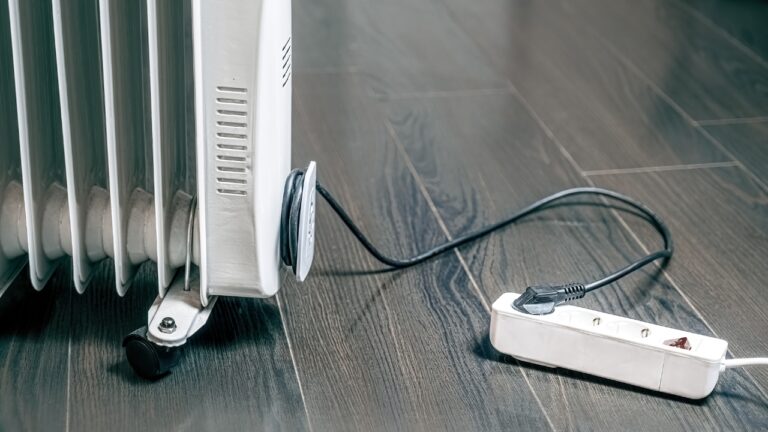
The same physics that make a buried splice dangerous also apply to the cords and strips you can see. When you plug multiple heaters, chargers, and entertainment devices into a single bar, you are asking that one piece of hardware to carry more current than it was designed for. Federal fire guidance on Electrical safety is blunt: Extension cords and power strips should never be overloaded, and you should Use only devices with built‑in protection and the proper rating for the load you plan to put on them.
Those warnings matter because many homeowners treat extension cords as permanent wiring, snaking them through walls, under rugs, or above drop ceilings. Every bend, staple, or pinch point becomes another potential high resistance connection, and every extra plug adds heat to a confined space. When that “temporary” fix runs for months or years, the cord jacket can dry out and crack, exposing conductors that arc against framing or metal, creating the same kind of hidden ignition source as a bad splice inside the wall.
How to spot and prevent hidden heat in your own walls
Preventing these hazards starts with a simple rule: if a connection is not inside an accessible junction box with a cover, it does not belong in your house. That means no taped splices buried in insulation, no wirenuts floating in a stud bay, and no mystery cables disappearing into drywall without a clear termination. Safety guidance on Hidden Fire Hazards from Improper Wiring Faulty installations explains that Mistakes such as these can remain undetected behind walls for months before igniting, which is why accessible enclosures and proper connectors are non‑negotiable.
You can also reduce risk by respecting the limits of your own expertise. If you open a box and find more conductors than you expected, aluminum wiring, or signs of past overheating like melted insulation or scorch marks, stop and call a licensed electrician. Professionals are trained to recognize subtle clues, from a faint buzzing that gets louder as appliances run to discolored screw terminals, that signal a loose connection or overloaded circuit. When you let them correct those problems with proper terminations, box fill calculations, and load balancing, you are not just complying with code, you are removing the hidden heaters that shortcuts quietly install inside your walls.
Like Fix It Homestead’s content? Be sure to follow us.
Here’s more from us:
- I made Joanna Gaines’s Friendsgiving casserole and here is what I would keep
- Pump Shotguns That Jam the Moment You Actually Need Them
- The First 5 Things Guests Notice About Your Living Room at Christmas
- What Caliber Works Best for Groundhogs, Armadillos, and Other Digging Pests?
- Rifles worth keeping by the back door on any rural property
*This article was developed with AI-powered tools and has been carefully reviewed by our editors.