The draft-proofing move that helps immediately, and you don’t need a big project to do it
Cold air sneaking under doors and around window frames does more than chill your ankles, it quietly drains the heat you are paying for. The fastest way to fight back is not a full renovation but a simple draft-stopping move you can pull off in an evening with basic supplies. By focusing on the gaps at floor level and around frames, you can feel warmer almost immediately while trimming the workload on your heating system.
Instead of planning a major insulation project, you can target the specific cracks and seams that leak the most air and seal them with low-cost tools like door sweeps, draft stoppers, and peel-and-stick weatherstripping. Once you understand where the leaks are and how these products work, you can turn a cold hallway or living room into a noticeably calmer, more comfortable space before the next cold front arrives.
Why the smallest gaps create the biggest chill
When you feel a draft, you are not just sensing a bit of breeze, you are experiencing a pressure imbalance that pulls warm indoor air out and sucks cold air in through any opening it can find. Even a narrow line of light under a door or a hairline crack around a window sash can behave like an open vent, letting conditioned air escape and forcing your heating system to run longer to maintain the same temperature. Energy advisers consistently point to these leaks as some of the most cost effective problems to fix, because sealing them reduces both discomfort and wasted energy in one move.
Guides on DIY draft proofing stress that you should think of your home as a shell, where every joint between materials is a potential pathway for air. That is why they highlight simple add ons like foam tape, door sweeps, and window and door seals as first line defenses rather than luxury extras. Similar advice from power utilities notes that when you seal gaps and cracks around openings, you cut down on the cold air that rides in on winter winds and the warm air that slips out through the same routes.
The one move that changes a room in minutes
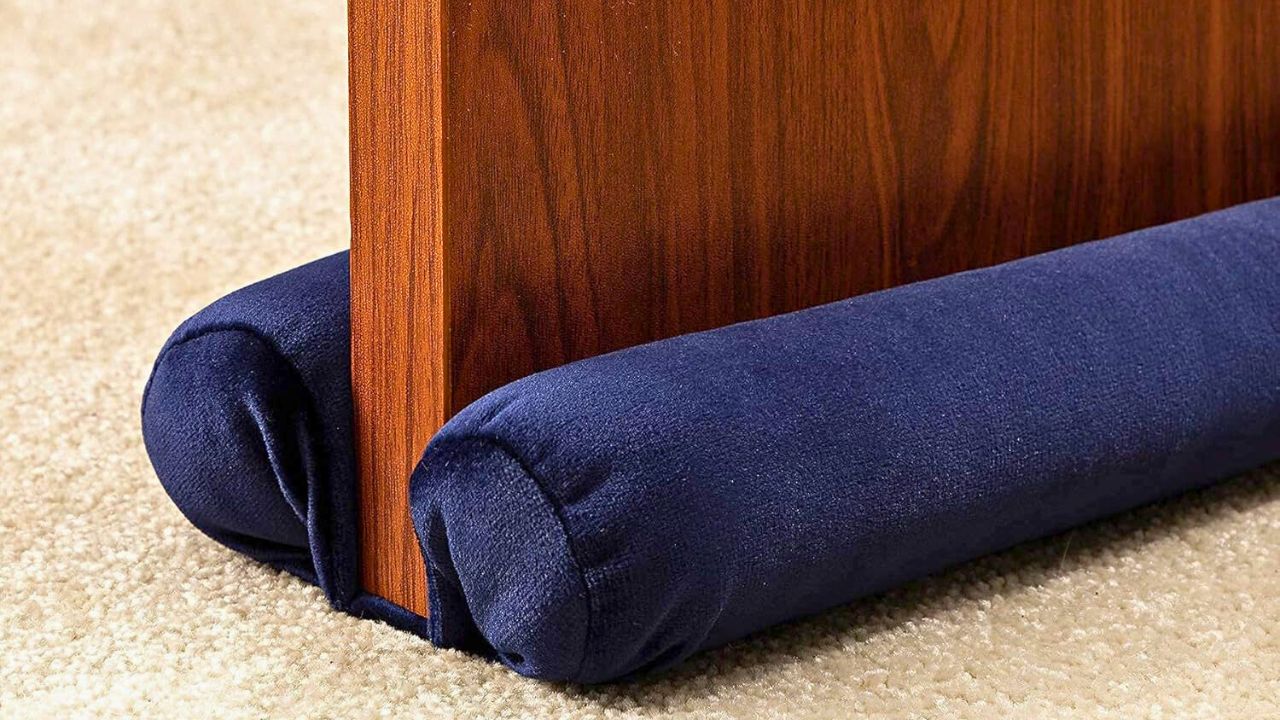
If you want a single, high impact step that does not require tools or a contractor, blocking the gap at the bottom of your exterior doors is the place to start. That strip of daylight under the door is often the largest uninterrupted opening in a room, and it sits right where cold air naturally pools along the floor. Sliding a draft stopper or door sweep into that space can transform the feel of a hallway or entryway in minutes, because you are cutting off a direct path for outside air to pour in.
Energy specialists and hardware pros repeatedly point to door sweeps and similar products as quick wins, since they create a continuous barrier without altering the door itself. One example is the M D Slide On Door Sweep, which is designed to slip over the bottom edge of a door so you can place a door sweep at the threshold and block most of the cold air without complicated installation. Similar slide on or adhesive backed sweeps are widely available, and because they sit at floor level, you feel the difference as soon as you close the door and the draft stops flowing across your feet.
How to spot the leaks before you start
Before you buy anything, it pays to map where the cold air is actually getting in, so you are not guessing at the problem. You can do this the old fashioned way by slowly moving your hand around the edges of doors and windows on a windy day, or by using a lit stick of incense or a thin strip of tissue and watching where the smoke or paper flicks sideways. Any spot where the air movement is strong enough to move the smoke or tissue is a candidate for sealing, and you will often find that the worst offenders are the bottom of doors, the meeting rails of older windows, and the corners where trim meets the wall.
Window specialists recommend paying close attention to the glass perimeter and the sash, since cold air can sneak in where the frame has shifted or the original seal has failed. Advice on keeping cold air from windows notes that you should check both the interior and exterior sides, looking for visible gaps, cracked caulk, or loose latches that prevent the sash from closing tightly. Once you have a mental map of these trouble spots, you can prioritize the ones that feel the coldest or that sit in rooms you use most, and then match each leak to a simple fix like weatherstripping, caulk, or a draft stopper.
Door sweeps and draft guards, explained
Door sweeps and draft guards all aim to do the same thing, which is to close the long, narrow opening between the bottom of the door and the floor without making the door hard to open. A fixed sweep usually screws into the interior face of the door and uses a flexible rubber or brush strip to ride lightly over the floor, while a slide on version grips the bottom edge of the door and moves with it. Both styles are designed so you can still swing the door freely, but the air on one side of the threshold no longer has a straight shot into the room.
Retailers highlight products like the Twin Draft Guard, which is marketed with the promise that it Saves energy & money, keeps Cold air out, Moves with the door, Works on windows, and Blocks fumes and dust. Similar double sided guards slide under the door with foam tubes on each side, so they stay in place as you open and close the door and seal both the interior and exterior edges at once. For a more improvised approach, step by step guides show how to use a pool noodle as a draft blocker, explaining that if you Cut the length of the foam to match the door and slit it to fit the thickness of the door, you can create a low cost guard that hugs the threshold.
The quick DIY upgrade: peel-and-stick weatherstripping
Once the bottom of the door is under control, the next fastest improvement is usually peel and stick weatherstripping around the sides and top of doors and windows. These foam or rubber strips compress when the door or window closes, filling the tiny gaps that let air whistle through the frame. Because they come with adhesive already applied, you can measure, cut, and stick them in place with nothing more than scissors and a tape measure, and you can remove or replace them later without major damage.
Hardware guides describe this as Weatherstripping 101, advising you to clean the surface, measure the length of each side, cut the strip to the desired length, and apply it firmly along the frame so it forms a continuous seal. Window repair specialists echo that advice when they urge you to apply temporary caulk or compressible tape to drafty windows, creating a nearly invisible seal that can be peeled away when the season changes. In both cases, the goal is the same, to close the small but continuous gaps that are too irregular for rigid materials but perfect for flexible foam or rubber.
Window and door seals that work without a remodel
Beyond basic tape, you can also add dedicated seals that are shaped to fit common problem areas, such as the meeting point between a door and its threshold or the joint where two window sashes meet. These seals are designed to flex as you open and close the door or window, so they maintain contact without jamming the hardware. Because they are targeted at specific joints, they can often solve a stubborn draft without requiring you to replace the entire unit or call in a carpenter.
Draft proofing guides point out that Window and door seals are an easy way to draft proof your home, noting that They fill gaps and close drafts around frames to create more comfortable environments around doors and windows. Other window experts recommend locking your windows fully and then adding compression seals or V strip along the sides to stop rattling and air leaks, a strategy that appears in advice on how to stop drafty windows without immediately replacing them. For renters or anyone hesitant to alter the frame, removable plastic film kits and magnetic interior panels can also add a layer of still air over leaky glass, further cutting down on drafts.
Temporary fixes that buy you a warmer season
Not every solution has to last for decades, especially if you are in a rental or planning a renovation later, and there are several temporary options that still deliver real comfort. Clear, removable caulk can be pressed into gaps around window sashes and then peeled away in spring, while rope caulk and foam backer rod can be stuffed into larger cracks around trim. These materials are particularly useful when you need to get through one more winter with aging windows or doors but are not ready to commit to full replacement.
Window repair guides that focus on short term solutions recommend products that can be installed and removed in a single season, including the suggestion to Lock Your Windows and Upgrade Weatherstripping as part of a broader set of easy fixes. Video tutorials walk through similar quick repairs, with one creator in a clip titled Fixing Drafty Windows the Inexpensive Way explaining in Dec how a simple bead of caulk and some foam can tighten up a loose frame, a process you can watch in this demonstration. Another short video from Key and, framed as a week 43 home maintenance reminder, shows how to stop a window draft fast with a single product, which you can see in this quick clip if you prefer to follow along visually.
Going room by room for maximum impact
Once you have tackled the worst door and window, it makes sense to move methodically through the rest of your home, since drafts often show up in clusters. Start with the rooms where you spend the most time, such as the living room and bedrooms, and repeat the same pattern, test for air movement, block the bottom of the door, then seal the frame. In basements and utility rooms, where doors often sit slightly above uneven floors, a slide on sweep or thick draft stopper can make a dramatic difference in how much cold air seeps into the rest of the house.
Basement specific advice highlights products like the M D Slide On Door Sweep again, emphasizing that when you Place a door sweep at the bottom of a basement door, you block out most of the cold air and create more secure and seamless coverage. For windows, some contractors recommend straightforward solutions such as Frost King Weatherstrip Tape, noting that When Frost King Weatherstrip Tape is applied correctly, many draft problems can be addressed the same day. As you move from room to room, you can also look for less obvious leaks, such as around electrical outlets on exterior walls, where guidance from utilities suggests using foam gaskets to insulate outlets and light switches as part of a broader draft blocking seal strategy.
Finishing touches that keep the air healthy
As you tighten up your home, it is important to remember that not every opening should be sealed, because some vents and gaps are there to keep indoor air healthy. You still need controlled ventilation in kitchens and bathrooms to remove moisture and pollutants, and you should never block combustion air inlets for gas appliances or fireplaces. The goal is to eliminate uncontrolled drafts around doors, windows, keyholes, and floor level gaps, while preserving or even improving the deliberate ventilation that keeps your indoor environment safe.
Energy advisers explain that What ventilation means in practice is using Extractor fans and purpose made vents to move damp air out of rooms where moisture is produced, while sealing random cracks that do nothing but leak heat. They also suggest simple add ons like keyhole covers, noting that you can buy a purpose made cover for a keyhole, similar to those used for windows, to stop cold air from whistling through the lock. Exterior advice reinforces this balance, pointing out that On the exterior of the home you can use caulking and weather stripping to stop air flow from getting in, while on the interior you should still be able to raise and lower the windows and operate vents as intended.
Turning a quick fix into a lasting habit
Once you see how much difference a single draft blocking move can make, it becomes easier to treat draft proofing as a recurring part of home maintenance rather than a one time emergency project. At the start of each heating season, you can walk the perimeter of your home, check the condition of door sweeps and weatherstripping, and replace any sections that have compressed, cracked, or peeled away. This routine takes far less time than a deep renovation, but it keeps the invisible envelope of your home in good shape so you are not constantly chasing cold spots.
Door specialists emphasize that Weatherstripping adhesive tape creates an excellent seal around the door frame, while foam tape provides robust relief from floor level drafts without requiring installation tools, which makes it ideal for seasonal checkups. DIY creators like Angela, who demonstrates two ways to make draft stoppers, show how you can even turn this maintenance into a small creative project by sewing or assembling custom stoppers that match your decor. If you prefer ready made products, you can look up options such as the Twin Draft Guard through retail listings that note it Works on windows as well as doors, so you can reuse the same style of guard in multiple rooms. Finally, broader guides to beating the chill remind you that on the exterior you can combine caulking and weather stripping with regular checks of how easily you can raise and lower the windows, turning that original quick fix into a long term habit that keeps your home warmer with less effort.
Like Fix It Homestead’s content? Be sure to follow us.
Here’s more from us:
- I made Joanna Gaines’s Friendsgiving casserole and here is what I would keep
- Pump Shotguns That Jam the Moment You Actually Need Them
- The First 5 Things Guests Notice About Your Living Room at Christmas
- What Caliber Works Best for Groundhogs, Armadillos, and Other Digging Pests?
- Rifles worth keeping by the back door on any rural property
*This article was developed with AI-powered tools and has been carefully reviewed by our editors.