The early-season repairs homeowners are watching closely
As winter loosens its grip and you finally see your yard again, the real state of your house comes into focus. Early in the season, you are not just daydreaming about paint colors or patio furniture; you are quietly ranking the repairs that could make or break your budget for the rest of the year. From aging foundations to overworked HVAC systems, the fixes you prioritize now can determine whether you glide through summer or get blindsided by four‑figure emergencies.
Those choices are getting tougher. Repair costs are climbing, older homes are straining under heavier weather and energy loads, and more buyers are walking into spring listings trying to spot problems before they sign. By understanding which early‑season repairs deserve your attention, you can protect your cash, your comfort, and your negotiating power long before the first heat wave arrives.
1. Why spring repairs suddenly feel high stakes
The pressure builds in spring because so many systems in your house are shifting at once. Winter weather can batter roofs, siding, and foundations, then a rapid warmup exposes every crack, leak, and soft spot that snow and ice were hiding. As the ground thaws and outdoor temperatures swing, you start to see how Spring runoff, frozen exterior faucets, and neglected gutters have really treated your property.
At the same time, you are heading into the part of the year when major systems work their hardest. Heating has just run for months, air conditioning is about to take over, and heavy spring rains challenge your roof and drainage. Market data on How seasonality shapes demand for HVAC, plumbing, electrical, and roofing shows that service calls spike in spring and late summer, which means you are competing with other homeowners for appointments and parts. If you wait until something fails outright, you are more likely to face delays, surge pricing, or both.
2. The hidden hazards that turn into $7,000 shocks
Some of the most expensive early‑season repairs are the ones you never see coming. Reporting on surprise repair bills describes Homeowners getting hit with roughly $7,000 in costs tied to five hidden hazards, including slow leaks, failing appliances, and neglected exterior components. You might only notice a faint musty smell near a laundry closet or a small stain on a ceiling, but behind those clues, a washing machine hose or dishwasher line can be quietly soaking subflooring and wall cavities.
Those stories highlight how a simple reminder like “Check your washing machine” is not nagging; it is financial self‑defense. A five‑minute inspection of supply lines, shutoff valves, and drain hoses in early spring can prevent a catastrophic failure when you start running more loads after vacations or sports seasons ramp up. The same logic applies to under‑sink plumbing, water heaters, and attic spaces: the earlier in the year you catch small drips, the more options you have to repair or replace on your schedule instead of paying emergency rates.
3. HVAC tune‑ups before the first heat wave
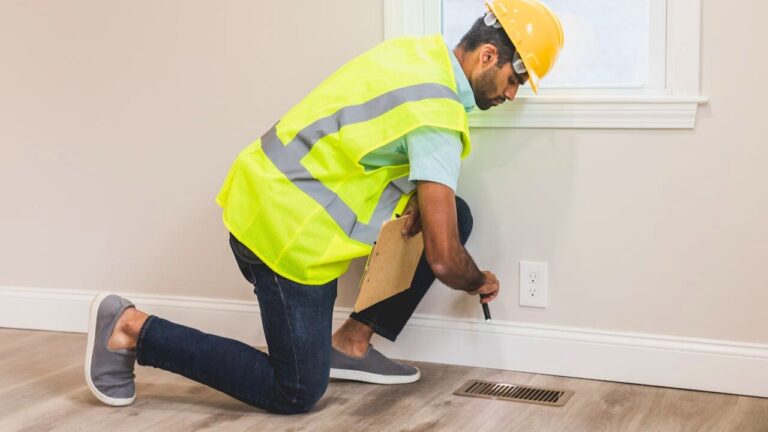
Your comfort in the hotter months depends on decisions you make now about your HVAC system. After a long winter of heating cycles, components wear, filters clog, and refrigerant issues that were invisible in January become glaring when you first flip the thermostat to cool. A widely used Spring House Upkeep checklist notes that an HVAC checkup is smartest before air conditioning season arrives and stresses that you should Always use qualified technicians rather than winging it yourself.
Service companies see the same pattern each year: as temperatures climb, HVAC calls surge, and homeowners who waited end up in line behind neighbors whose systems failed first. That rush can stretch appointments into weeks, especially when parts are backordered. By scheduling a tune‑up in the early part of the season, you can address worn capacitors, dirty coils, and marginal airflow while technicians still have open slots, and you are more likely to catch problems before they turn into a complete loss of cooling on the first 95‑degree afternoon.
4. Siding inspections that protect everything underneath
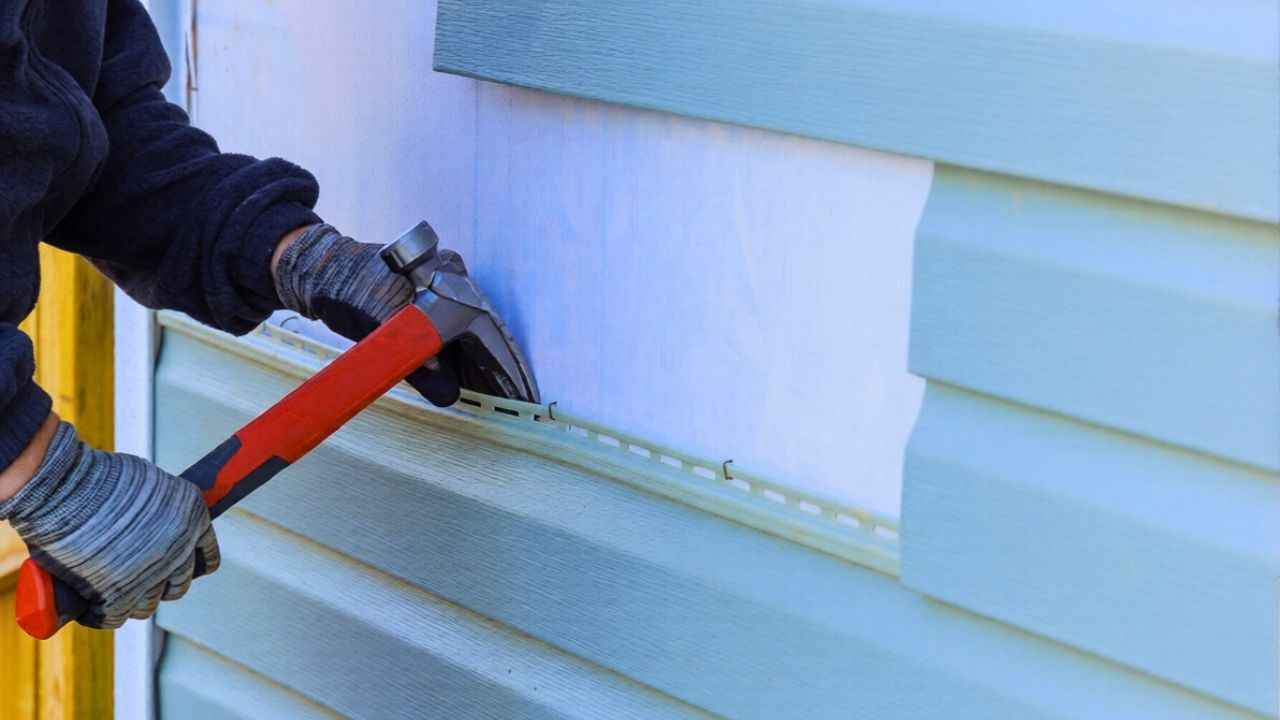
Your siding is one of the first defenses against spring rain and summer heat, which is why early‑season inspections carry so much weight. Guidance on When Should You recommends making siding checks part of your regular routine and highlights Siding inspections in spring so you can catch cracks, warping, and gaps before Certain problems worsen in summer heat. If you only glance at your exterior from the driveway, you can easily miss soft spots near the base of walls or subtle buckling under windows.
More detailed advice on how to Inspect Your Siding suggests that performing regular walk‑arounds helps you spot nail pops, missing caulk, and faded or blistered paint that can signal trapped moisture. If you address those signs in early spring, you can schedule targeted repairs or replacements before contractors are fully booked and before driving rain pushes water behind panels. That timing can be the difference between a simple patch and a full wall rebuild that eats your entire maintenance budget.
5. Foundation movement, cracks, and the spring sweet spot
Your foundation quietly carries all the weight of your home, and early spring is when subtle changes become visible. As frost leaves the soil and moisture levels swing, you might see new hairline cracks in basement walls, doors that suddenly stick, or gaps between trim and ceilings. Specialists note that Seasonal Foundation Movement describes how Your foundation can shift slightly with temperature and moisture without necessarily signaling disaster, but repeated or widening cracks after winter deserve attention.
When you decide to repair, timing can influence both cost and effectiveness. Experts on When to tackle structural work explain that Many homeowners prefer spring because milder weather and more stable soil moisture make it easier to assess movement and complete repairs. You also avoid the frozen ground of winter and the deep dryness of late summer that can complicate excavation. If you act as soon as you see warning signs rather than waiting for another season, you give yourself time to gather multiple bids and choose between methods instead of accepting the first emergency quote.
6. Winter damage that sets up spring emergencies
Problems that surface in early spring often started months earlier. Foundation issues, for example, can be slow to develop, but harsh winter conditions can accelerate cracking and shifting. You might notice step cracks in masonry, uneven floors, or water seeping where walls meet slabs once snow melts and spring rains arrive. Those symptoms are easy to dismiss as cosmetic, yet they can signal that your structure is moving in ways that will only grow more expensive to correct.
Cold weather also punishes plumbing and exterior systems that you rely on more heavily as the weather warms. Data on Seasonal service patterns shows that Demand for frozen pipe repair and water heater work peaks from November to January, which means your system may already have been stressed or partially damaged before spring even begins. If you treat the early season as a diagnostic window, checking crawl spaces, basements, and exterior hose bibs for past freeze damage, you can repair weak points before they fail under warm‑weather usage.
7. How buyers and sellers are using repair lists
If you are planning to move, your early‑season repair list is no longer just about comfort; it is about leverage. Industry commentary on spring home shopping notes that as snow and ice clear, It’s easier to in good shape and what might need repair without snow or ice in the way. That visibility means buyers are more likely to flag peeling siding, foundation cracks, or aging HVAC units during showings and inspections, and they use those findings to demand credits or price cuts.
Sellers can also treat early‑season repairs as a way to stand out in a crowded spring market. Industry experts expect spring 2026 to be one of the busiest homebuying seasons in years, and Getting ahead on repairs can help your listing photos and inspection reports read like a relief instead of a warning. Fresh service records for your HVAC system, documentation of recent foundation evaluations, and receipts for siding repairs can reassure cautious buyers who are already bracing for higher insurance and maintenance costs.
8. Budget shock, DIY myths, and rising repair costs
Even if you know what needs attention, paying for it is another story. Reporting on Challenges for Older explains that Many houses built decades ago were never designed for current energy demands or the extreme weather patterns you see now, which makes failures more likely and fixes more complex. At the same time, inflation in labor and materials has pushed routine jobs into budget‑busting territory, so a single early‑season project can crowd out everything else you hoped to do.
That pressure tempts you to handle more work yourself, but survey data shows how easily expectations can mislead you. According to one national poll, 75% of American homeowners say watching renovation and repair shows made DIY projects look much easier and cheaper than they really are. When you misjudge the time, tools, and permits involved, you can end up calling professionals anyway, only now they have to undo mistakes before they can fix the original problem. For complex systems like foundations, electrical panels, and major HVAC components, early‑season budgeting should assume professional help from the start.
9. Planning repairs around retailers, insurers, and the wider market
Your early‑season repair strategy also plays out against a shifting retail and insurance backdrop. Home improvement giants are watching your behavior closely: one earnings report showed a major chain beating EPS estimates with $2.72 in earnings and $38.2 billion in sales even as overall growth stayed muted, while another update noted that Home Depot sees homeowners holding back because of worries about housing affordability and job losses. That tension shows up in your choices: you might delay a big renovation but still invest in targeted early‑season repairs that protect your most vulnerable systems.
Insurance adds another layer to your planning. Guidance on Replacement coverage explains that rebuilding costs are often higher than market value because they reflect current materials, labor, and code upgrades rather than just what your home might sell for. That gap means you cannot assume a policy will automatically cover every neglected repair that turns into damage. If you treat early‑season maintenance as a way to keep claims from ever being filed, you are not just saving on deductibles; you are protecting your ability to renew or shop for coverage in a market where underwriters are increasingly wary of older roofs, aging foundations, and chronic water issues.
Like Fix It Homestead’s content? Be sure to follow us.
Here’s more from us:
- I made Joanna Gaines’s Friendsgiving casserole and here is what I would keep
- Pump Shotguns That Jam the Moment You Actually Need Them
- The First 5 Things Guests Notice About Your Living Room at Christmas
- What Caliber Works Best for Groundhogs, Armadillos, and Other Digging Pests?
- Rifles worth keeping by the back door on any rural property
*This article was developed with AI-powered tools and has been carefully reviewed by our editors.